Repair or Replace Clothes? A Budget Guide to Making Them Last
Check before you shop: A small tear may cost little to fix. Yet a worn or unsafe item may need to go. Look at the fit, fabric, and cost of a repair. Ask if you will wear it again. Care for clothes well so they last longer.
A loose button or worn shoe sole can make a useful item feel finished. Buying new clothing may be easy, but it is not always the cheapest or most practical fix. A simple repair, better care, or a small change in how you use an item may extend its life. The trick is knowing when the repair is worthwhile and when replacement is the honest answer.
This guide gives you a clear decision method for everyday clothes and shoes. The numbers are examples, since local repair costs and new clothing prices vary. The goal is to spend less without keeping uncomfortable, unsafe, or unusable items.
Start with the condition, not the original price
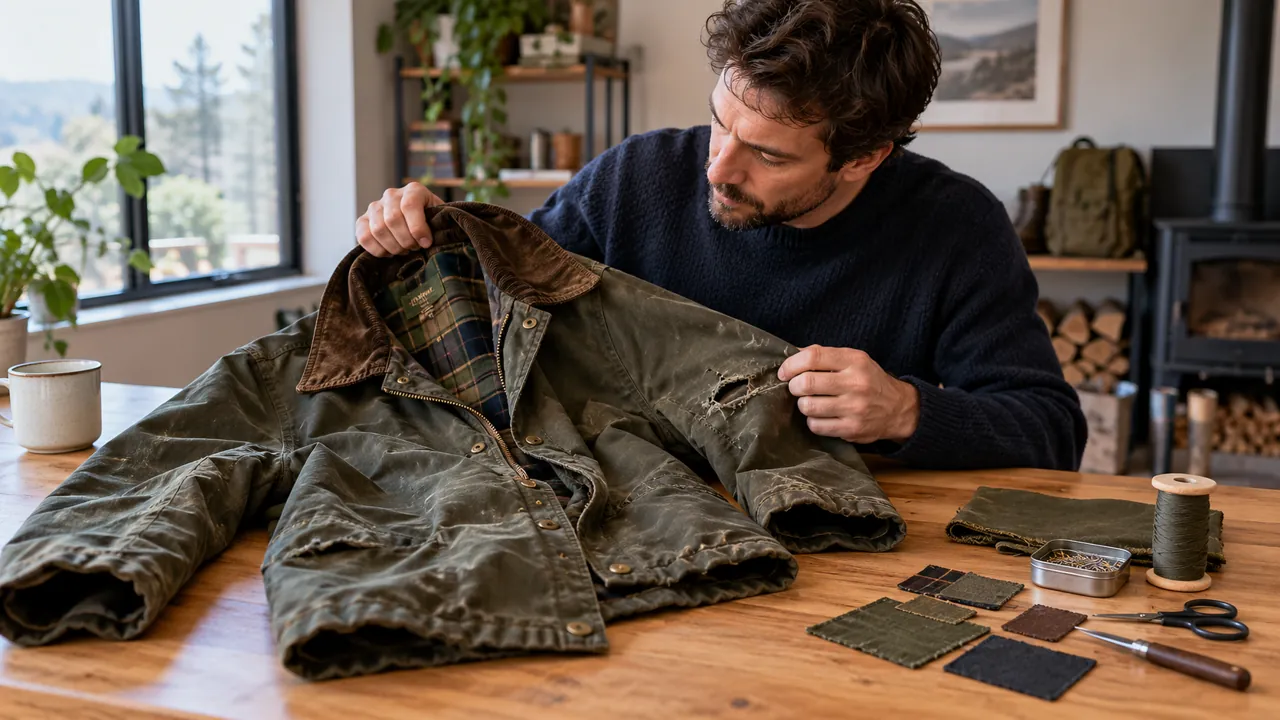
Look at the item in good light. Is the damage only a loose seam, missing button, broken zip, or worn hem? Or is the fabric thin across large areas, the fit poor, and the sole unsafe? A small repair can restore useful life; repeated repairs to material that keeps failing may waste money.
Check how often you actually wear the item. A jacket used weekly is a different case from a garment you have not worn in two years. Sentimental value matters too, but it should be a conscious choice rather than the only reason to keep something.
A helpful question is: “If I repair this today, will I choose to wear it often for another season or more?” If the answer is no, repair may not be the best use of your budget.
Compare the full repair and replacement cost
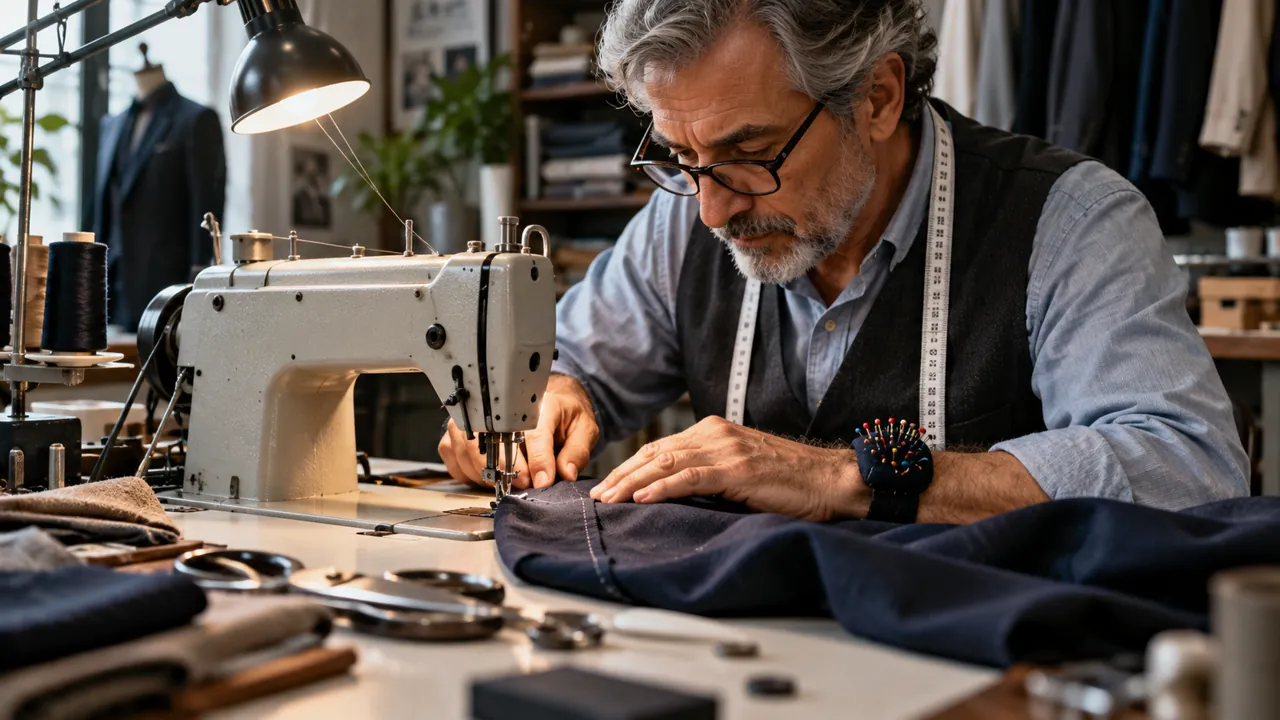
Ask a local tailor or repair shop for a price and expected result. Include transport time and any materials you need. Then compare with the real cost of a suitable replacement, not the price of a luxury item you would never buy. A repaired item can be a good deal if its fabric and fit remain strong.
Imagine a coat worth replacing at 90 units. A tailor can fix a seam for 12. If the coat is otherwise sound and you expect to wear it many more times, repair is likely sensible. But if the lining is failing, the zip is broken, and repair costs 75 in total, replacement or a quality second-hand option may make more sense. The figures are hypothetical.
Do not forget safety. Shoes with poor grip or broken support may not be safe even after a cosmetic fix. Ask a qualified repairer whether the item can be restored for its intended use.
Learn the low-risk fixes you can do at home
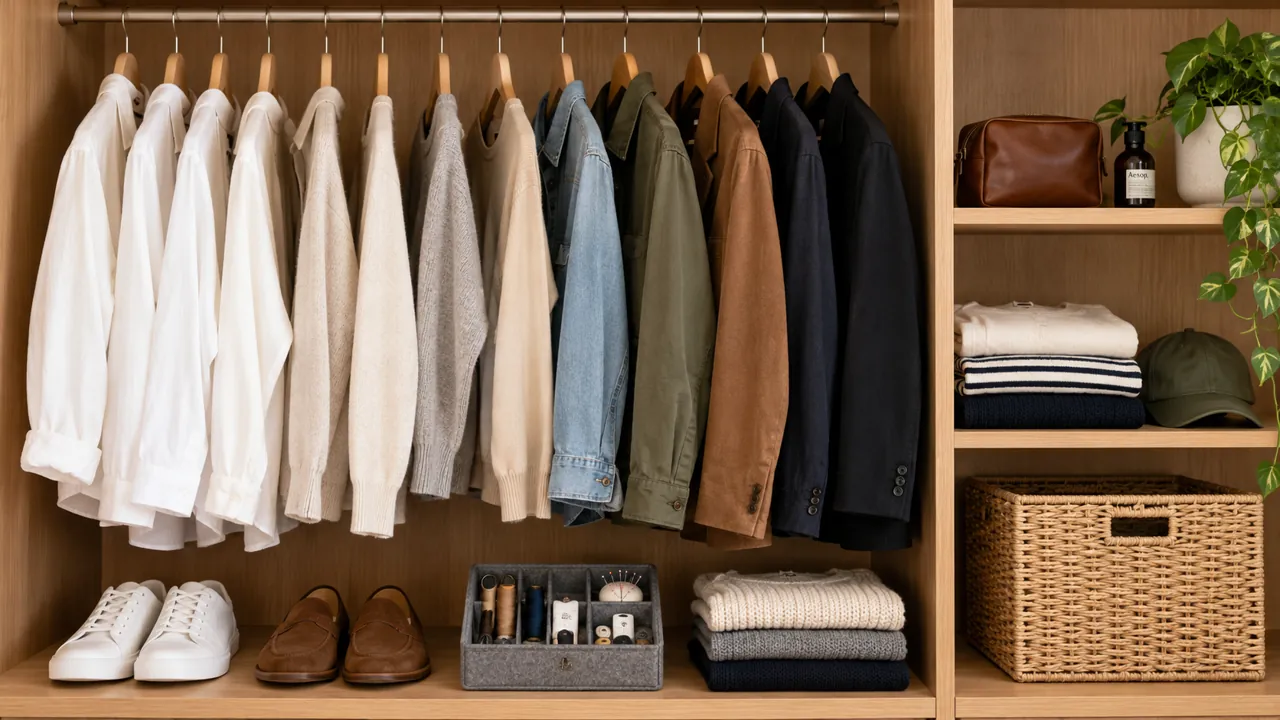
A basic sewing kit can handle simple tasks such as replacing a button, closing a small seam, or making a temporary hem. Start with an old piece of fabric if you are new to sewing. Follow the fabric care label and use suitable thread and needle. Avoid cutting valuable garments until you are confident.
For shoes, basic cleaning and a suitable care product can help, but structural repairs are best assessed by a cobbler. For knitwear, tiny holes may be darned before they grow. For shirts, a small stitch can keep a loose seam from turning into a larger tear. The earlier you fix a problem, the less work it often needs.
If you do not want to sew, check community repair groups, a local tailor, or a trusted friend who has the right skills. Share the cost and expected finish clearly. You do not need specialist machines for every simple fix.

Make cost per wear a useful check
Cost per wear is the total you spend on an item divided by the number of times you wear it. It is an estimate, not a scientific measurement. Suppose a 60-unit pair of shoes is worn 120 times. That is 0.50 per wear. A 15-unit repair followed by 80 more wears adds about 0.19 per extra wear. If the shoes remain comfortable and safe, that may be worthwhile.
Do not chase a low cost-per-wear figure by forcing yourself to use something painful or unsuitable. Fit, comfort, climate, and daily needs still matter. A smaller wardrobe of items you genuinely use can be easier to care for than many rarely worn pieces.
Prevent damage with basic care
Check the care label before washing. Sort items by fabric and color where needed. Use a suitable cycle rather than the hottest setting by default. Avoid excess detergent and harsh treatment that can wear fabric. Air-drying can be gentle for some garments, but follow the manufacturer’s instructions.
Store clothes clean and fully dry. Give delicate items enough space so they do not stretch or snag. Rotate frequently worn shoes where possible and keep them dry between uses. Remove stains as soon as it is safe for the fabric. Test cleaning products on an unseen area first.

Build a small clothes repair fund
Clothing needs arrive in waves: a school uniform gets too small, a work shoe breaks, or a seasonal coat needs repair. Put a modest amount aside when income allows. Keep repair and replacement costs in the same category so you can make a choice instead of buying under pressure.
Before shopping, list the exact gap in your wardrobe. Is it one weatherproof layer, one pair of work shoes, or a few basic tops? Buy for that need. Check fit and return terms carefully. A low price is not a saving if the item is never worn.
A repair can also help you make better use of resources, but there is no single saving that applies to all clothes. A patch that lets you wear a shirt for another year is easy to understand. A complex repair that fails after two washes may not be worth the material or money. If you want to track your own results, note the repair cost and how long the item stays in use. That gives you evidence for your next choice.
Repair-or-replace checklist
- Check whether damage is local or widespread.
- Assess fit, comfort and safety.
- Get a realistic repair quote.
- Compare with a suitable replacement.
- Estimate how often you will wear it.
- Consider a good second-hand option.
- Follow care labels to prevent repeat damage.
- Keep a small fund for clothing needs.
Common questions
Is repairing always more sustainable?
Not every repair has the same impact. Materials, travel, the repair process, and how long you use the item all matter. A repair is most useful when it extends the life of an item you will keep wearing.
What should I repair first?
Start with small, low-cost fixes on clothes you use often. Buttons, hems, and minor seams are usually easier to assess than major fabric or structural damage.
What if a tailor quotes too much?
Ask what the quote includes and compare another qualified repairer if convenient. You can also choose to replace, reuse, donate if suitable, or recycle under local guidance.
The UNEP circularity resource on repair explains why repair can extend the use of products. If new clothes are part of a wider household spending plan, see our zero-based budgeting guide.
A practical choice, not a rule
Good clothing budgeting is not about refusing to buy anything new. It is about noticing where an affordable repair gives real value and where a new item is genuinely needed. Check condition, price, safety, and likely use. Then make the choice that serves your budget and daily life.
Try a small repair before you buy
Pick one item that you use each week. Look at the fault in good light. Is a seam loose? Is one button gone? Is the zip stuck? Some faults take a few minutes to fix. A deep tear or worn sole may need a skilled hand.
Set a fair limit for the repair. Say a shirt costs 25 units to buy new. A new button may cost less than one unit. A shop might charge 8 units to fix a seam. If the cloth is still strong and the shirt fits, the fix may be worth it. If the fabric is thin all over, the same fix may not last.
Before you pay, ask for the full price and the time it will take. Ask if the work has a short guarantee. A low price is not good value if the fault comes back next week.
Once the item is fixed, wash and store it as the care label says. Check hems and seams from time to time. Make a note of what you saved. You will soon see which items are worth care and which ones are past use.
Do not count only the shop bill. Think of time, travel, and fit. A coat that fits well may be hard to replace. A worn shirt you no longer wear may not be worth a trip to the shop. Your choice should fit how you use the item, not just its price tag. If you are not sure, leave the choice for one day. That pause can keep you from a quick buy that you may soon regret.
Keep a small kit at home if you can. A needle, thread, spare buttons, and a soft brush can help with quick fixes. Use care with sharp tools. If the job needs a machine or a safe grip you do not have, ask a local repair shop. The goal is not to fix all things by hand. It is to make a calm choice that saves cash and waste.