

Subscription Audit: Find Recurring Charges and Stop Waste
Many small plans can hide a large monthly cost. Use this simple subscription audit to find repeat payments, review real use, cancel safely and plan for renewals.
Start with the payments you already make
A small subscription can be easy to miss. A video app, cloud store, game pass, fitness plan, or paid tool may charge each month or year. One fee may be fine. Ten fees can take a large share of spare cash. You need a full list before you cut anything.
Open bank, card, wallet, and app store records for the last three months. Search for repeat merchant names and round amounts. Annual plans may not show in that window, so check the past year for larger charges. Use a secure place to write the list.
Do not cancel a useful service only because it has a fee. The goal is to match spending with real use. A service that saves hours of work may be worth more than one you never open.
Build a clear subscription list
For each plan, write the name, full price, billing cycle, next renewal date, payment method, and who uses it. Note whether you must pay a fee to end it. Add free trials that may soon charge. A plan paid through an app store may need to be managed there, not on the service’s web page.
Turn annual costs into a monthly view. A yearly plan of 120 units is about 10 per month. This does not mean you pay 10 each month, but it helps you compare. Keep the renewal date clear so you have the full sum ready when it is due.
Make four columns
Use: keep, reduce, pause, or cancel. Keep what gives real value. Reduce a plan that is too large. Pause one used only in a short season. Cancel what no one needs. This is easier than cutting every plan at once.

Check your use, not just the price
Think about the last 30 days. Did you watch the service, finish a course, use the cloud space, or get work done with the tool? If not, ask why. Maybe you forgot it. Maybe you plan to return. Set a date to review it rather than paying forever for a vague future plan.
A family plan may serve several people, so ask before changing it. One person may use a service every day even when you do not. Look at the cost per active user and compare a smaller plan if available.
A low monthly price does not make an unused plan a good buy. A higher price may be fair if the service replaces another cost. Judge the outcome, not only the bill.
Know how free trials turn into charges
A free trial often asks for a card and starts charging unless you cancel. The renewal date may be easy to miss. Before you start, note the final trial day, full price, how to cancel, and whether features end at once.
The OECD has warned that free trials can turn into subscription traps when people are pushed or misled. That is one reason to check the full terms before you click.
Set a reminder a few days before the trial ends. Do not rely on an email that may go to spam. If you need the trial only for one task, finish that task early and decide whether the paid plan is worth keeping.
Look for fees hidden in a bundle
A bundle can cost less than separate plans, but only if you use what it holds. Some phone, internet, and shopping plans add media or storage as an extra charge. Check if the service is already included elsewhere before you pay twice.
Compare a bundle with the smaller plans you would truly buy. A package of five services is not a saving if you need only one. Ask about price rises after an offer ends. A discount for the first three months may hide a much higher normal price.
If your bill is complex, ask the provider to show each service and charge. A clear item list is easier to review than one large total.

Cancel through the right route
Open the app or site yourself. Find billing settings and follow the full cancellation path. You may need to confirm a final step. Save the screen or email that says the plan will end and note the effective date.
Stopping a card payment is not always the same as ending a contract. The US Consumer Financial Protection Bureau explains that stopping an automatic bank payment and cancelling a service can be different actions. The exact rights vary by country.
If you cannot find the cancel route, contact the seller through a verified support channel. Ask for written proof. Do not share a one-time login code with someone who offers to cancel for you.
Check for charges after cancellation
Watch the account on the next billing date. A final charge may be valid under the terms, or it may be an error. Compare the cancellation proof with the posted charge. Contact the seller if it should not have happened.
If the seller does not resolve the case, ask your card or bank about a dispute. Keep the contract, receipts, proof of cancellation, and seller replies. Rules differ across places and payment types, so act within the deadlines that apply.
Do not delete your account before you save records you may need. Export work files, photos, or other data if the service allows it and you still have access.
Use a smaller plan when it fits
You may not need a full family plan, extra storage, or a premium tier. Check if a basic tier meets your needs. But read the limits before switching. A cheaper cloud plan may not hold the files you already store.
Some services allow a pause. That can be useful for a gym plan during travel or a tool used for one short project. Check when billing starts again. A pause with an auto-restart date is still a future cost.
If a smaller plan saves 6 units each month, that is 72 units over a year, before price changes. Small savings can be worth keeping if they do not make the service hard to use.

Put renewals on a shared calendar
A simple calendar can stop surprise charges. Add annual renewals, trial endings, and price review dates. For a shared home, use a calendar the right people can see. Do not put card numbers or passwords in the event.
Review the list once a month for a few minutes. Mark any plan that changed price. A six-month deep check can catch annual costs and plans that no longer fit. Keep the routine light or you may stop using it.
If you have irregular income, set aside money for known annual renewals in a planned bill fund. Do not treat a normal subscription date as an emergency.
Avoid buying under pressure
A timer, urgent banner, or discount pop-up may push you to subscribe now. A good service should still make sense after you have read the terms. Step away if the offer is unclear.
The OECD has described online dark patterns, such as hidden costs and subscription traps, as a broad consumer concern. This does not mean every promotion is harmful. It means you should check the real cost and exit terms.
Ask if the plan solves a problem today. If not, leave it on a wish list. A missed offer is usually better than a fee you forgot to stop.

Give the savings a useful job
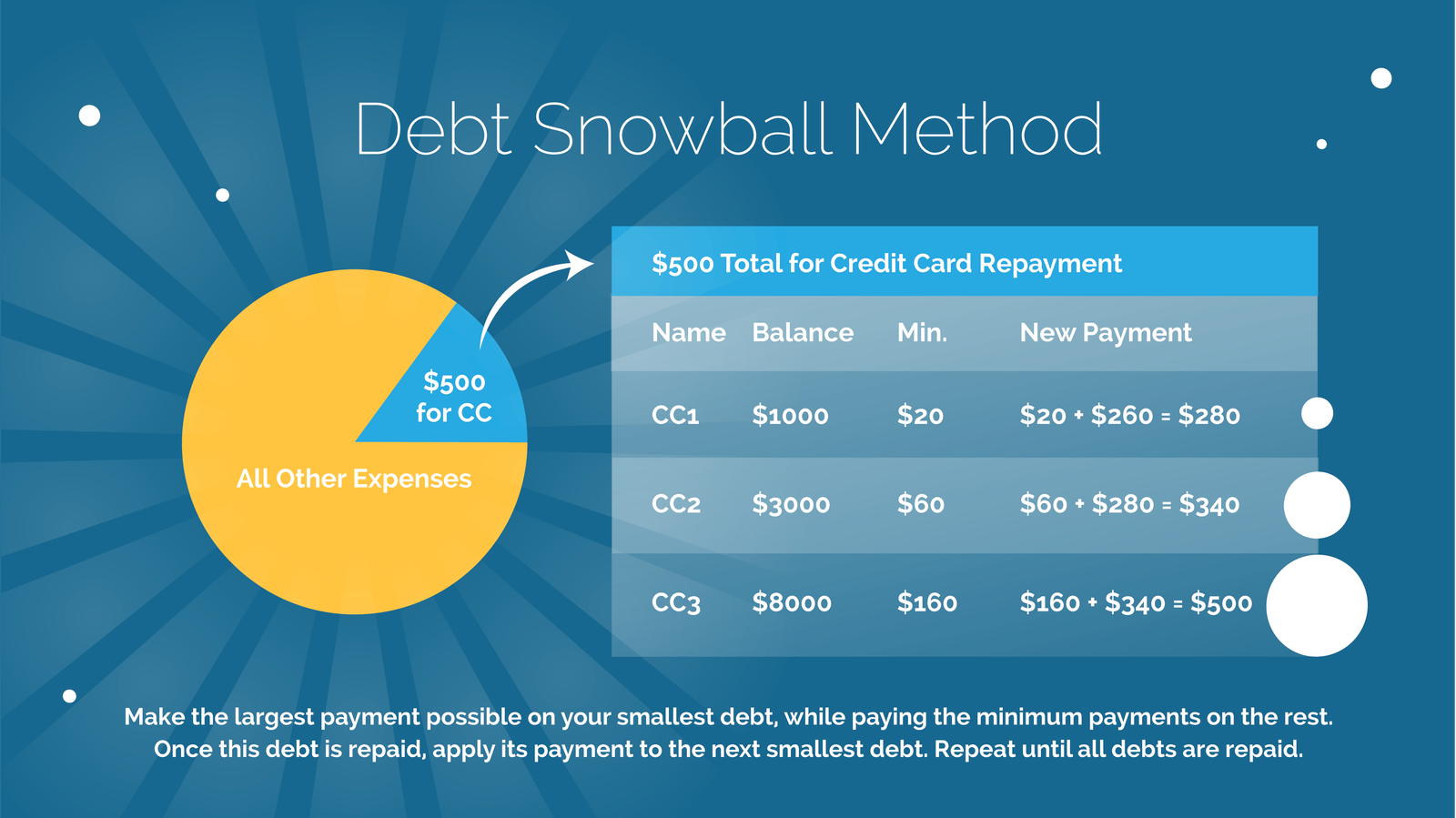
After the review, add up the costs you cut. Make sure they actually stop on the account record. Then move the saved sum toward a clear goal, such as a cash reserve, needed repair, or costly debt. You do not need a perfect list to make progress.
Keep the services that support your life, learning, or work. The goal is not to have no subscriptions. It is to pay on purpose and know what will renew.
This guide offers general budgeting ideas. Contract and cancellation rights vary across countries. Read your current terms and local consumer rules, and keep proof of any change you make.


One Comment