
Lower Your Electricity Bill: A Practical Home Energy Check
A high power bill can come from prices, weather, or how much you use. Here is a safe way to find the cause and test changes that may save money without losing comfort.
Read the bill before changing habits
An electricity bill can rise even when life feels the same. Start with units used, price per unit, fixed charges, tax, and the dates covered. A longer billing period can look like higher use. A price rise can do the same. Do not buy a new device until you know what changed.
Find the unit called kilowatt-hour, or kWh. It shows how much power you used over time. Compare it with the same season last year if you can. Heat, cold, and time at home can make one month very different from another.
Write down three figures: kWh used, total cost, and days in the bill. Divide kWh by days. This gives a rough daily use rate. It is not a full energy audit, but it helps you see if you use more power or just pay more for each unit.
Find the biggest loads first
Large heat and cooling devices often use much more power than a phone charger. Water heating, room heating, air conditioning, cooking, and older cold storage can all matter. The mix depends on your climate, home, and fuel.
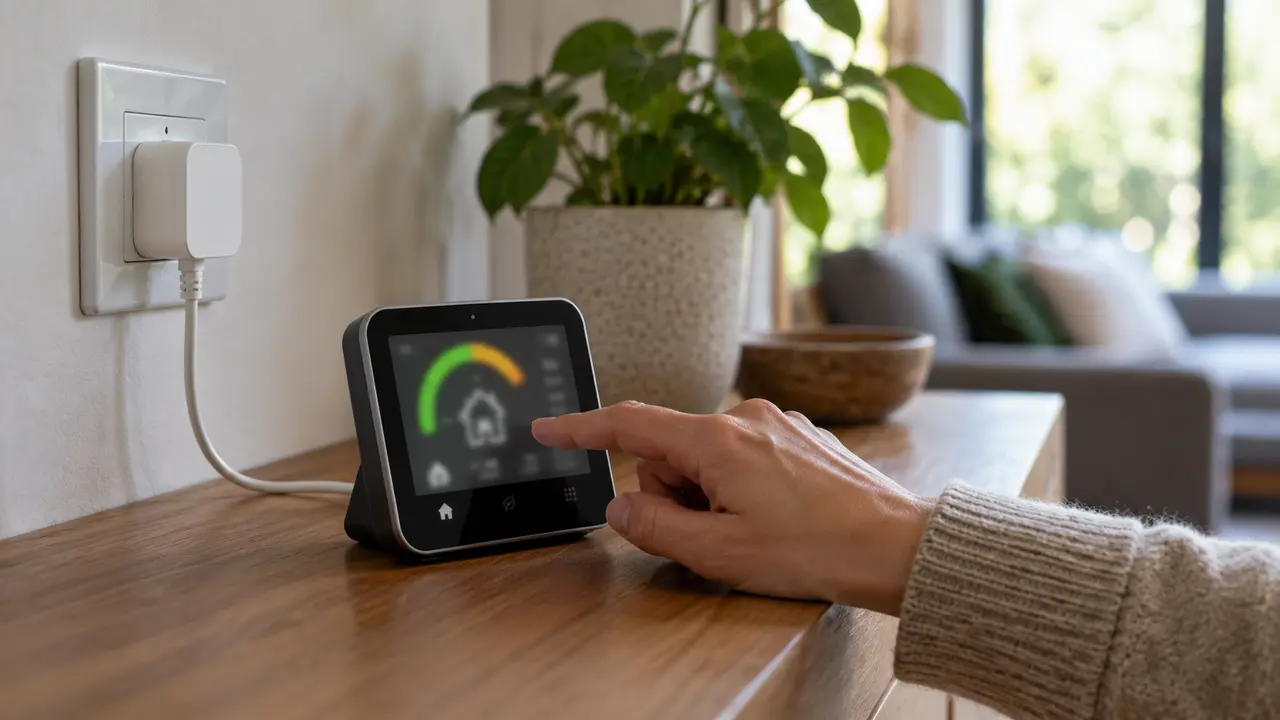
List the machines you use most. Note their power rating if shown, how many hours they run, and whether they cycle on and off. You can use a safe energy monitor where one is approved, but do not open electrical panels or work on live wiring yourself.
An old fridge may run longer than expected if its seal is weak. A heater may work hard if air leaks around a door. Check simple signs first. Do not assume one tiny gadget is the cause of a large bill.

Use a safe comfort plan
Saving power should not mean unsafe heat or cold. Older adults, infants, and people with health needs may need stable room temperatures. Follow local health advice for severe weather. Do not turn off cooling in dangerous heat or heating in extreme cold just to save money.
Use shades, curtains, and safe air flow to help control indoor heat. Seal small air leaks where a renter or owner can do so safely. Keep vents clear. If a landlord is in charge of repairs, report a major gap rather than making risky changes yourself.
Set a comfort range that works for your home. Test one small change at a time. If the room becomes unsafe or hard to use, stop. The best saving is one you can keep without harm.
Check appliance labels when you replace
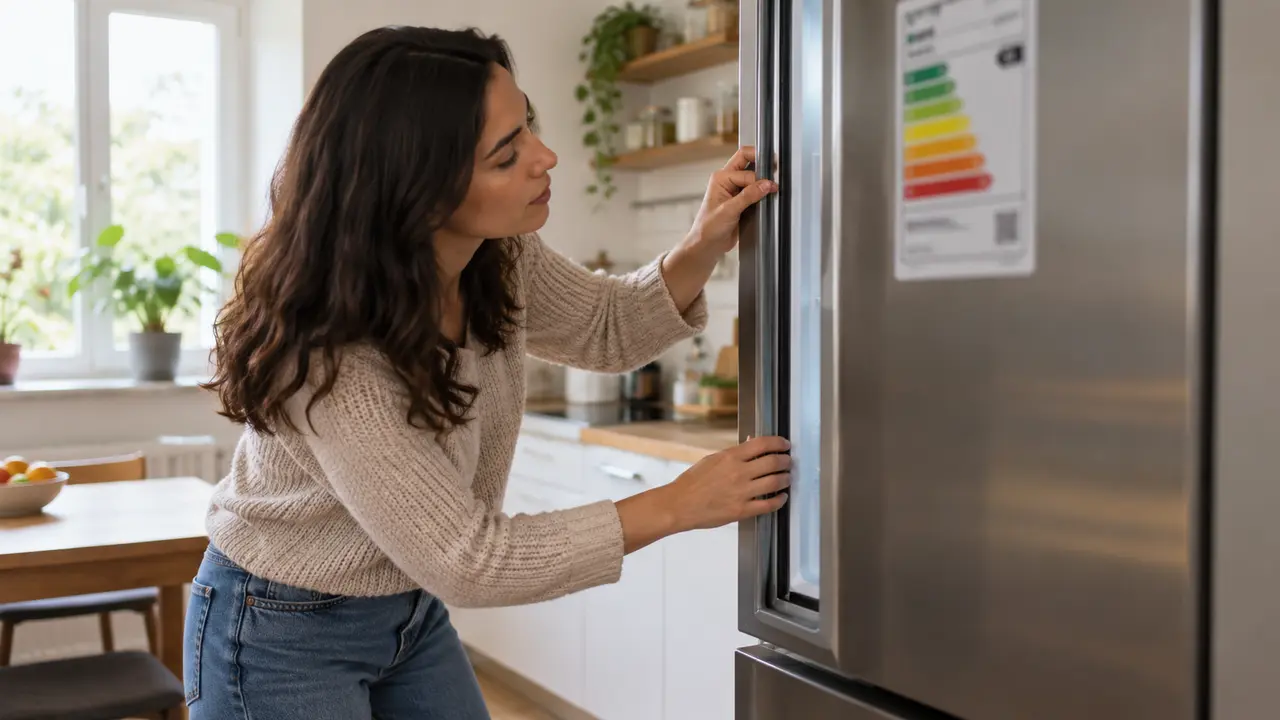
A new appliance can use less power, but it also costs money to buy. First ask whether the old one still works well. A repair or simple clean may help. If a replacement is due, compare energy labels that apply in your country.
The International Energy Agency reported in its Energy Efficiency 2025 review that many appliances sold today use about twice as much energy as the best models in their class. That is a broad market point, not a promise of a 50% saving for your home.
Look at annual energy use on the label where available. Multiply the kWh by your own electricity price. Then compare the extra price of the efficient model with the likely annual saving. Include service and repair needs too.

Try a payback check
Suppose one fridge costs 100 units more but is expected to save 25 units of power each year at your local price. The simple payback is about four years. This ignores future price shifts and repair cost, but it is a useful first check.
If you plan to move soon, the extra spend may not pay back while you own the device. If you will use it for ten years, the saving may matter more. Do not let a seller’s claim replace your own sums.
Make the math clear
Write extra purchase price, annual kWh gap, price per kWh, and annual cost saving. Then divide price gap by yearly saving. If there is no clear saving, do not invent one. Buy for the needs you have.
Reduce standby waste with care
Some devices use power while they appear off. Smart TVs, game consoles, routers, and chargers can draw small amounts. The cost varies by model. A safe power strip may help, but do not cut power to a fridge, medical device, security system, or gear that must stay on.
Check which devices need remote access or a software update. A shared home may need the router at night. Make a list of things that can be unplugged with no harm. Focus on safe, repeatable steps.
If the standby use is tiny, it will not solve a large heating bill. Work on the biggest loads first, then trim small ones. This keeps time and effort in line with the saving.
Use laundry and cooking wisely
Wash full, safe loads when clothes and machine rules allow. A lower wash temperature can save energy for some fabrics and soils, but hygiene needs vary. Follow garment labels and local health advice. Air-dry where it is safe and practical.
Batch cooking may reduce oven or stove time, but store food safely. Do not leave cooked food out for long. Use a lid and a pot size that fits the task. A smaller appliance may suit a small meal, though the result depends on device power and use time.
No single cooking rule fits all homes. Gas, electric, induction, and other fuels cost different amounts in different places. Compare the safe methods you have, not only a global claim.
Look at tariffs before switching
Some regions offer a time-of-use tariff. Power may cost less at quiet hours and more at peak hours. It can help if you can move safe loads, such as laundry, without harm or noise. But a plan with high peak prices may cost more for a home that cannot shift use.
Ask for the full tariff, fixed charges, exit fee, and taxes. Compare a year’s likely use, not just one cheap hour in an advert. A low unit rate can be offset by a high daily charge.
If you rent or share a meter, you may not be free to switch. Check the contract and local rules. Keep proof of any new plan and note the change date.
Watch out for energy-saving myths
A plug-in box that claims to cut every bill by a huge share is a warning sign. Ask how it works, whether a trusted lab tested it, and whether your local energy authority supports the claim. Most household bills cannot be fixed with one mystery gadget.
Do not block vents, bypass safety parts, or alter wiring to save power. If a device runs badly, call a qualified worker. A repair may also improve comfort and safety.
The IEA household energy affordability review notes how energy prices and the state of homes can affect bills. A high bill is not always due to wasteful habits. Tenants and low-income homes may face limits they cannot fix alone.
Run a four-week test
In week one, record daily use or a meter reading if it is safe and allowed. In week two, fix easy waste such as a poor door seal or needless lighting. In week three, test one routine for heating, cooling, or laundry. In week four, compare use with weather and time at home in mind.
Do not change five things at once. You will not know which step helped. Keep notes on comfort as well as kWh. A saving that makes life hard may not last.
Your bill review sheet
Track bill days, total kWh, average daily kWh, fixed charges, unit price, and one change you made. Add a short note about unusual weather or guests. These details make the next bill easier to read.
Keep the wins that fit your life
A good energy plan does not need to turn every switch into a debate. Find the two or three changes that cut waste with little effort. If a new appliance will pay back in a fair time, plan for it. If not, keep using a safe working one.
Talk with the people in your home. Agree on comfort, cooking, and laundry needs. Shared habits work better than rules that one person sets alone. Renters can ask landlords for safe repairs or better insulation where local law allows.
This is general guidance. Energy prices, labels, weather, and safety rules differ across the world. Use your own bill and local advice. The goal is a fair saving with safe comfort, not a fixed percentage for every home.