

Home Appliance Maintenance on a Budget: Simple Checks That Prevent Costly Surprises
A washing machine stops draining. A refrigerator runs all day. A dishwasher starts to smell. The first thought may be to buy a new appliance, but some problems begin with small maintenance tasks. A clean filter, a sound hose and enough airflow can help equipment work as designed.
This is a practical budget guide for everyday homes. Appliances, electricity prices, climates and warranty rules vary around the world. Always read the manufacturer’s manual before cleaning or moving parts. If a task involves wiring, gas, refrigerant or a dangerous leak, use a qualified professional. The aim is to know what you can safely check and when repair is worth paying for.
Build a Short Appliance List
Write down the main appliances you rely on, their age, model number if known, and any current problem. Include the refrigerator, washing machine, cooker, dishwasher, water heater and heating or cooling system as relevant. You do not need a perfect inventory. Start with the items whose failure would disrupt daily life.
Then find each manual. Many manufacturers provide a PDF through their official support site. The manual usually explains safe cleaning, filter access, ventilation space and warning signs. It may also list tasks that should only be done by a service technician.
Why the list helps
If three appliances need attention at once, the list helps you decide what to handle first. A leaking water hose has a higher risk than a noisy but working fan. An appliance that stores food safely deserves prompt care. Prioritize safety and essential use over cosmetic concerns.
Give the Refrigerator Room to Work
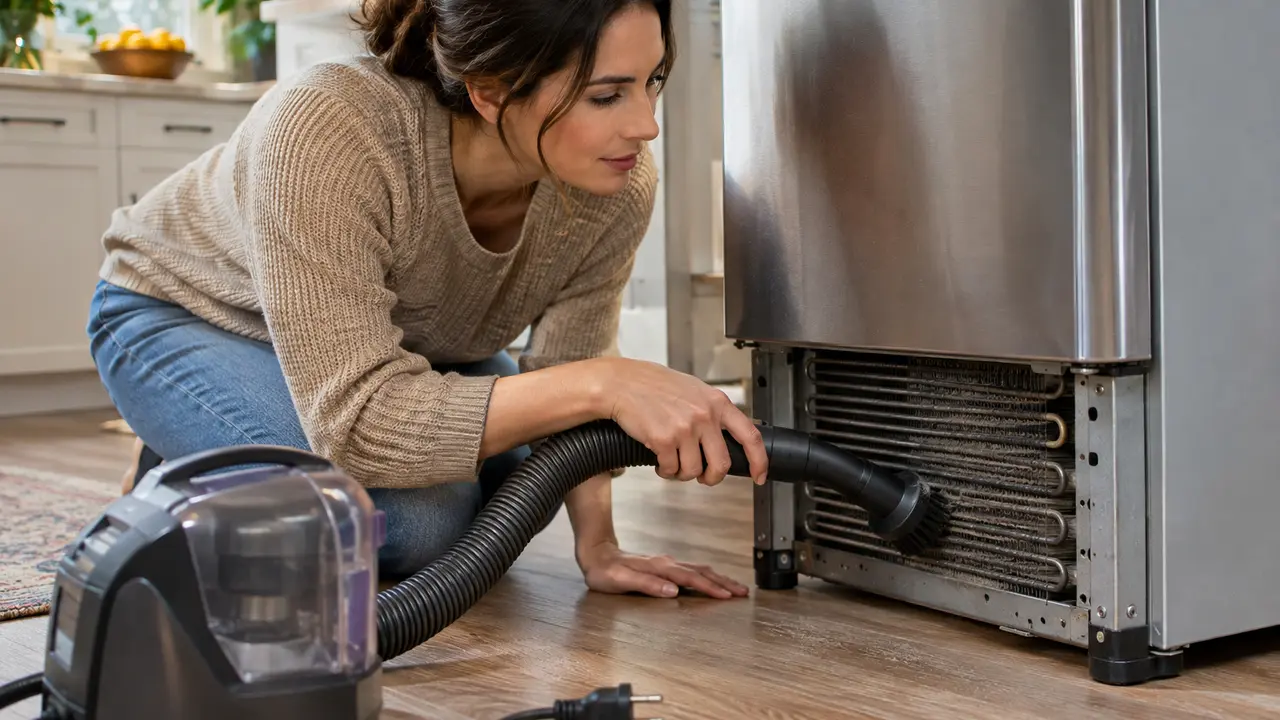
A refrigerator needs airflow around the parts that release heat. Dust and blocked vents can make cooling less efficient. Follow the model’s instructions for clearance and cleaning. Some refrigerators have accessible condenser coils; others are sealed or designed differently. Do not take panels off unless the manual allows it.
Check door seals for damage and remove food residue that prevents a tight close. Avoid packing items so tightly that internal airflow is blocked. If food seems too warm, use a suitable thermometer and consult food-safety guidance; do not guess based on how the cabinet feels.
A safe cleaning routine
Switch off or unplug the unit when the manual calls for it. Move it only if you can do so without straining yourself or damaging lines. Clean the allowed vents with a soft brush or vacuum attachment. Restore power, check the door seal and watch whether cooling returns to normal.
If the compressor runs without cooling, you smell burning, or there is an electrical fault, stop. A technician should inspect it. Do not handle refrigerant lines or electrical components as a home experiment.
Check the Washing Machine for Leaks and Blockages
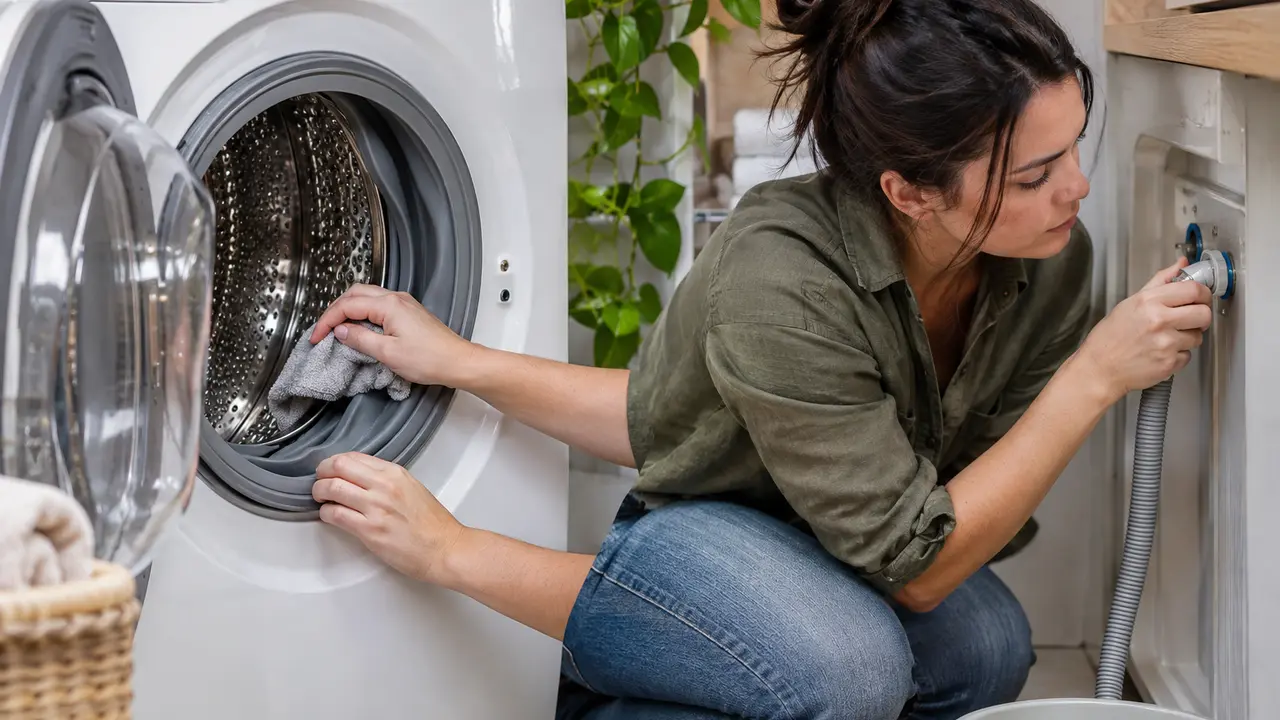
Inspect water supply hoses for cracks, bulges, drips or loose joints. Follow the manual and local plumbing rules when replacing them. A hose failure can cause water damage far larger than the hose price, so do not ignore a suspicious wet patch.
Clean the door gasket and detergent drawer if the model has them. Some machines have a user-accessible pump filter; others do not. Place a shallow tray and towels before opening a drain filter if the manual instructs this, because trapped water may spill.
Stop repeat wash cycles
A load that is too large may not rinse or spin well. Too much detergent can also leave residue. Follow the machine’s load and soap guidance. The goal is to get clothes clean in one cycle, not to run a second wash because the first was overloaded.
If the machine vibrates strongly, check whether it stands level and whether the load is balanced. Do not attempt internal motor, belt or electrical repairs without proper training. Ask a service provider for a diagnosis when a basic check does not solve it.
Clean Dishwasher Filters and Spray Areas
Food scraps can collect around a dishwasher filter. If your model has a removable filter, follow the manual to take it out, rinse it and fit it back securely. Check spray arms for obvious blockages only where the design allows. Never force a part that does not release easily.
Load dishes so water can reach them and avoid blocking the detergent door. Use a suitable detergent in the amount the manufacturer recommends. If dishes remain dirty, the problem may be a blocked filter, water temperature, loading pattern or a fault that needs service.
When a smell is not a repair signal
A brief odor after a neglected filter may improve after cleaning and a suitable empty cycle. But a burning smell, water pooling, or repeated error message is different. Stop the machine and seek qualified help if there is a safety concern.
A dishwasher may use less water than handwashing under some conditions, but actual results depend on the model and habits. Choose the recommended efficient cycle rather than assuming the shortest cycle always saves the most.

Keep Heating, Cooling and Ventilation Safe
Many heating and cooling systems need regular filter care, but designs vary. The US Department of Energy recommends checking equipment maintenance requirements and whether filters can be cleaned or reused. Your manufacturer and local technician are the right sources for the specific schedule.
Keep vents clear of furniture and dust. Do not block air intake areas with curtains or stored boxes. If your system uses fuel or gas, ensure required professional servicing and safety checks. Do not attempt to adjust burners, gas valves or flues on your own.
A low-cost habit
Mark the next filter check on your calendar. Take a photo of the correct replacement part number so you do not buy an incompatible filter. If the system starts making strange sounds or smells, do not keep running it while hoping the problem will pass.
Use a Repair-or-Replace Decision Sheet
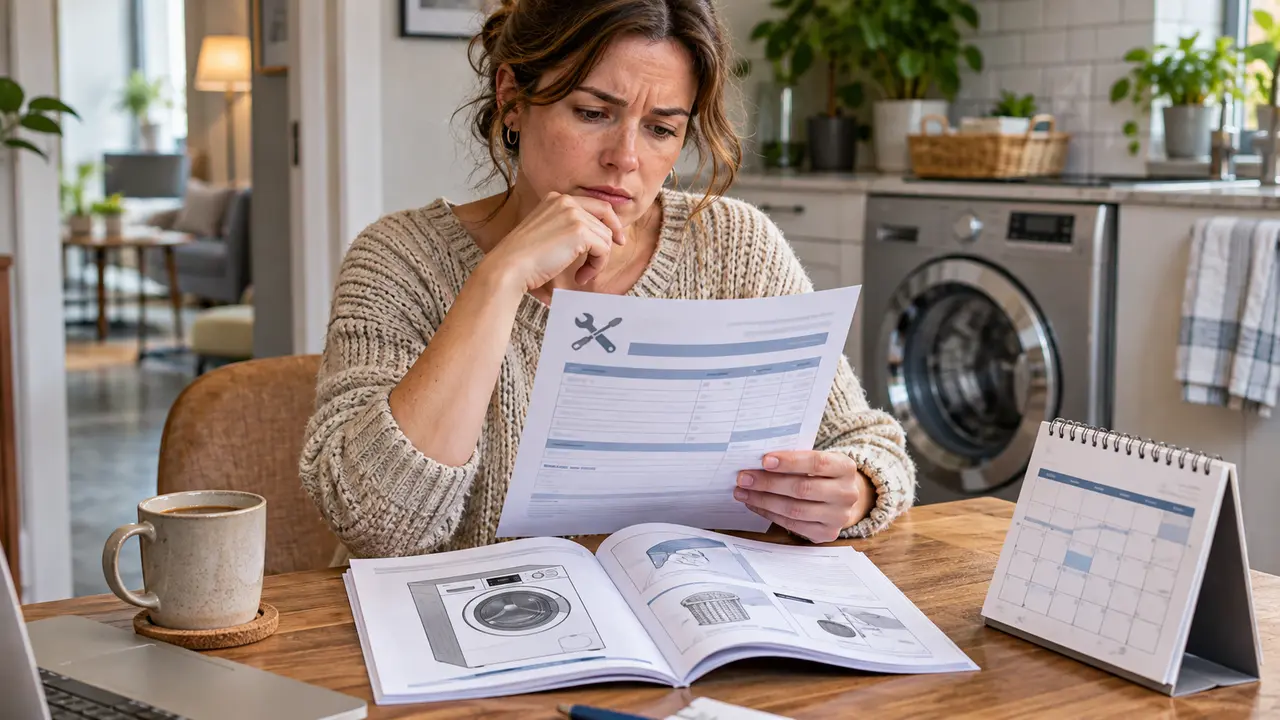
A repair quote can be hard to judge. Ask for the diagnosis, parts, labour, expected life after repair and any warranty. Compare that with the price, delivery, installation and disposal cost of a suitable replacement. Do not compare only the price tag in a store.
For example, suppose a repair costs 120 units and a suitable new appliance costs 650 plus 50 for delivery and setup. If the repair is likely to restore reliable use, it may be worth considering. If the technician says the core system is near failure, repeated repair costs may change the decision. These are sample amounts, not a universal rule.
Calculate the true upgrade cost
A more efficient new appliance might save energy or water, but check the label and your local utility price. Divide its extra purchase cost by credible annual savings to estimate a rough payback. Avoid relying on a marketing claim that assumes usage unlike your own.
Also check whether local repair rights, spare-part rules, warranty cover or rebates apply. Those can make repair more affordable. Keep receipts and service reports for any future claim.
Build a Small Maintenance Budget
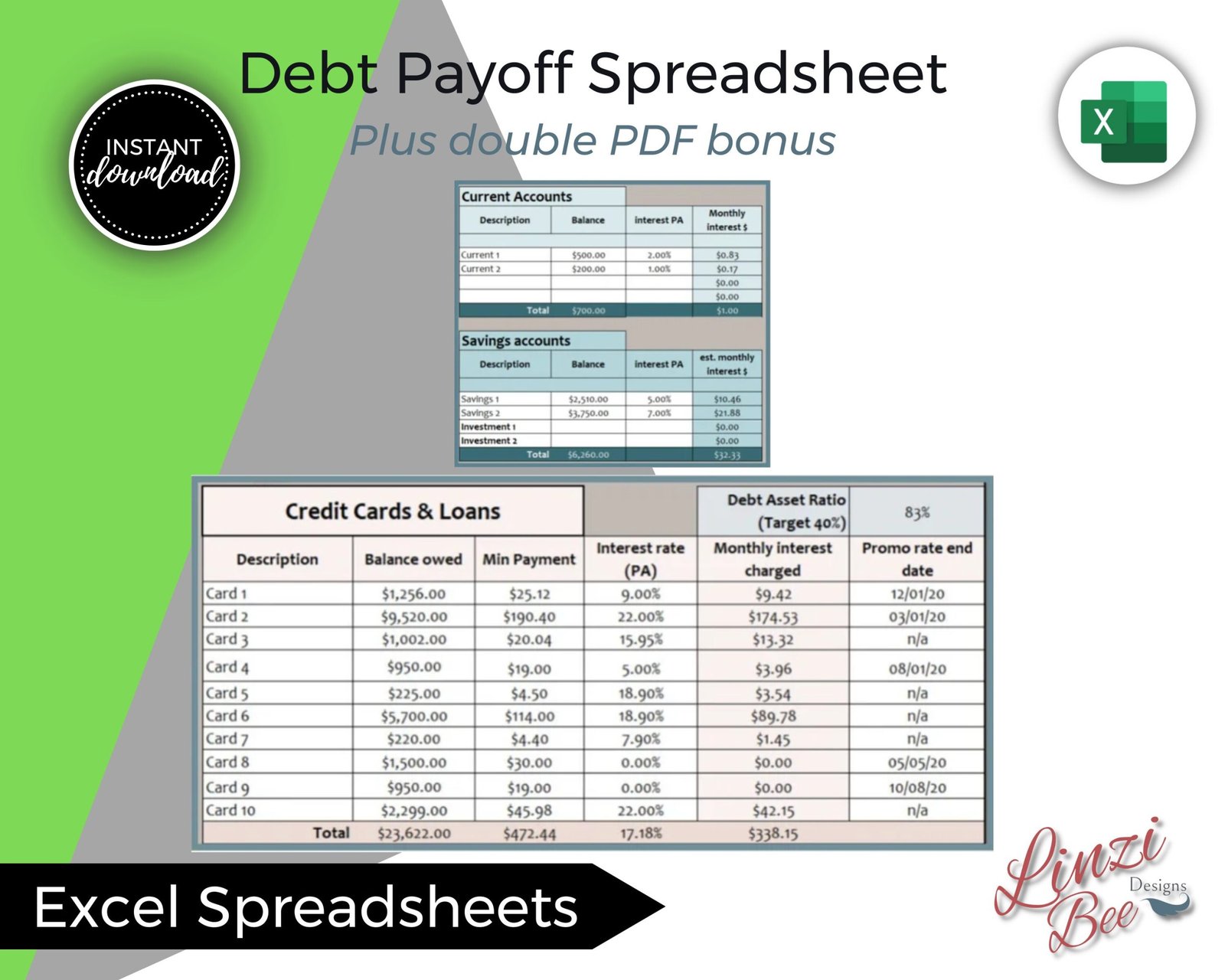
Set aside a modest amount each month for parts and professional service. It does not have to be large at first. A separate household maintenance category makes it easier to pay for a hose, filter or inspection without using emergency funds.
Use past bills as a guide. If you spent 240 units on small appliance care across a year, a starting monthly budget might be 20. Adjust for the age of your equipment, housing rules and actual service prices. The purpose is to plan for routine care, not predict every breakdown.
Keep the records useful
Save a photo of the receipt, model number, repair date and technician contact. A simple phone folder is enough. At the next fault, you can explain what was done and avoid paying to repeat the same diagnostic work.
A 30-Minute Home Check
- Find the manuals and note model numbers
- Look for water leaks around visible hoses
- Check fridge door seals and permitted vents
- Clean user-accessible washer and dishwasher parts
- Check safe filter maintenance for heating or cooling
- List warning signs that need a professional
- Set the next check and budget amount
Do not rush through a task that requires unplugging, moving a heavy machine or handling water near power. Spread the checks over several days if needed. A safe routine is better than a fast one.
Common Questions
Can maintenance stop all appliance failures?
No. Parts wear out and faults can happen without warning. Simple care may reduce avoidable issues and help you notice problems sooner, but it is not a guarantee.
Should I buy spare parts in advance?
Only for items you know you will use and can store safely, such as a compatible user-replaceable filter. Avoid stockpiling expensive parts based on a guess.
When should I call a technician?
Call for electrical faults, gas or refrigerant issues, major leaks, burning smells, complex repairs or anything the manual says requires service. Safety comes before saving money.
Good appliance care is a small, repeatable budget task: follow the manual, clean what is safe, notice warning signs, and get a clear repair quote. That can make unexpected household costs easier to handle.



One Comment