Sinking Funds in 2026: A Simple System for Car Repairs, Travel, Medical Bills, and Annual Costs
Many expenses feel like emergencies only because they do not happen every month. Car repairs, annual insurance bills, school supplies, travel, holiday gifts, medical deductibles, home maintenance, and subscription renewals are irregular, but they are not truly random.
A sinking fund turns those future costs into small monthly savings. Instead of finding $1,200 when a bill arrives, you save $100 per month in advance.
This 2026 guide shows how to choose sinking fund categories, calculate monthly targets, decide where to keep the money, and avoid the most common mistakes. The goal is simple: make future spending less stressful and reduce the need for credit card debt.
What is a sinking fund?

A sinking fund is money you save gradually for a specific future expense. It is different from an emergency fund because you already know the category of the expense.
You may not know the exact date of a car repair, but you know an older vehicle will eventually need tires, brakes, maintenance, or repairs. That makes car costs a good sinking fund category.
Sinking fund vs emergency fund
An emergency fund is for major unexpected problems such as a sudden job loss, urgent travel, or a large expense you could not reasonably plan for.
A sinking fund is for expenses you expect but do not pay every month.
| Expense | Best fit |
|---|---|
| Annual car insurance premium | Sinking fund |
| Holiday gifts | Sinking fund |
| New tires | Sinking fund |
| Job loss | Emergency fund |
| Known medical deductible exposure | Sinking fund or medical reserve |
| Major unexpected home damage | Emergency fund plus insurance where applicable |
Why sinking funds matter more when prices move
When living costs are high, irregular expenses can create more damage because there is less room in the monthly budget. Current 2026 inflation data from the U.S. Bureau of Labor Statistics shows that prices across major household categories remain above year-ago levels.
A sinking fund does not stop prices from rising. It gives you time to absorb the cost.
If tires become more expensive, a partially funded tire account is still better than starting from zero.
Step 1: find your predictable irregular expenses
Review the last 12 months of bank and credit card statements. Look for bills that were large enough to disrupt your normal month.
The Consumer Financial Protection Bureau recommends looking back over several months because expenses such as insurance, medical care, school costs, gifts, travel, and seasonal spending can be easy to miss in a standard monthly budget.
Common sinking fund categories
- Car maintenance and repairs
- Car registration
- Auto insurance
- Home maintenance
- Appliance replacement
- Medical deductible
- Dental and vision costs
- Travel
- Holiday gifts
- Birthdays and celebrations
- School costs
- Annual subscriptions
- Pet care
- Technology replacement
- Professional fees or licenses
You do not need a separate account for every line. Start with the categories that create the biggest financial stress.
Step 2: calculate the monthly target
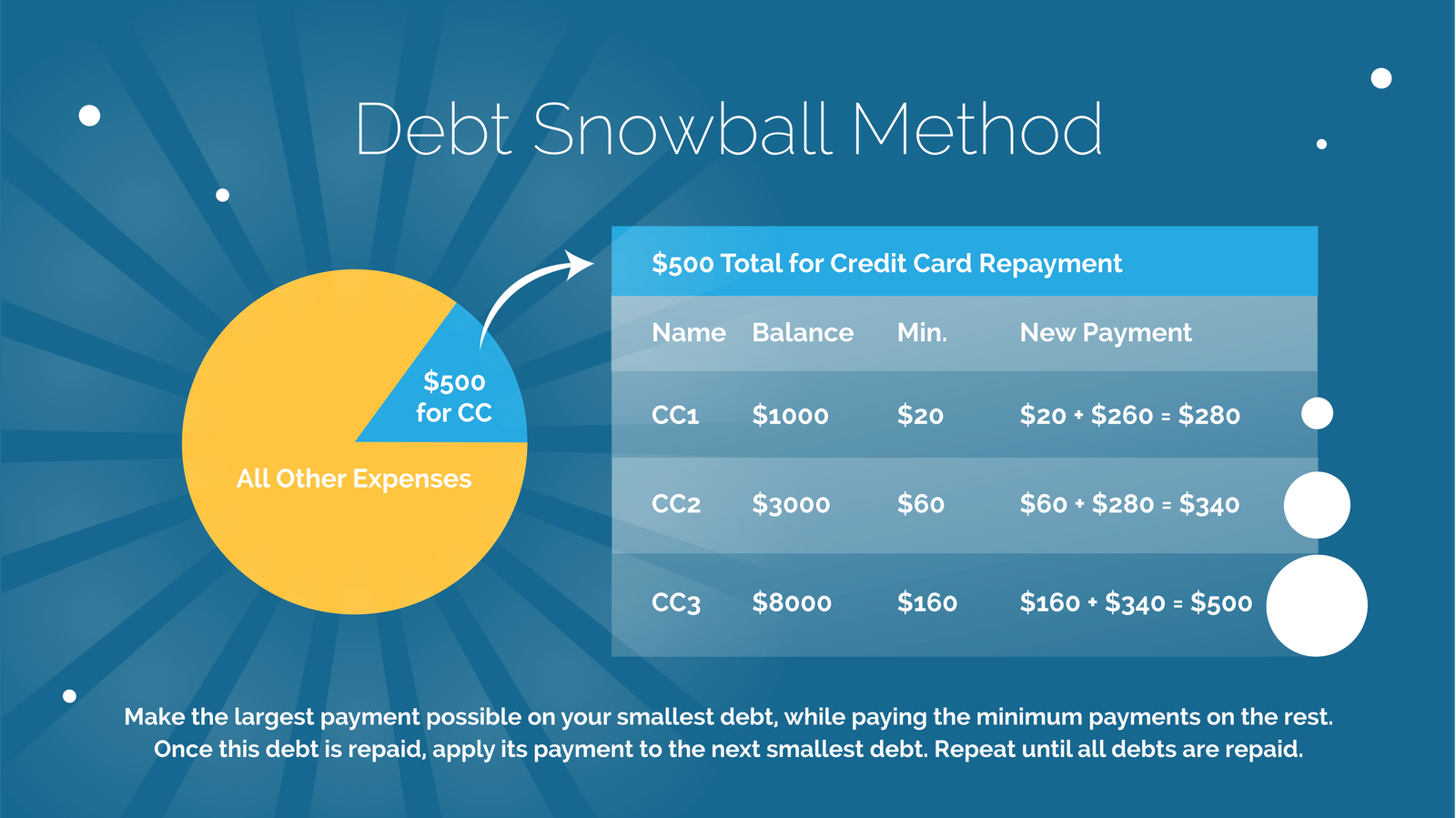
Use this formula:
Target amount ÷ months until needed = monthly sinking fund contribution
Example: annual insurance bill
Your annual insurance bill is $1,440 and it is due in 12 months.
$1,440 ÷ 12 = $120 per month.
Example: vacation
You want $2,400 for a trip in eight months.
$2,400 ÷ 8 = $300 per month.
Example: car repair fund with no exact date
You want a $1,500 car reserve but do not have a deadline. If you save $125 per month, you reach the target in 12 months. If the repair happens earlier, you use the amount available and rebuild afterward.
Step 3: prioritize funds instead of creating too many
A common mistake is creating 15 sinking funds and putting $10 in each. That may feel organized but does not build enough cash where you need it most.
Rank categories by how likely the expense is, how soon it may happen, how large the cost could be, whether you could delay it, and whether insurance or another resource would help.
Fund the highest-priority categories first.
Use a three-tier priority system
Tier 1: unavoidable and near-term
Examples include insurance renewals, registration, property taxes, school fees, or a known medical bill.
Tier 2: likely but flexible
Examples include car repairs, home maintenance, dental work, or appliance replacement.
Tier 3: optional goals
Examples include travel, electronics upgrades, hobbies, or celebrations.
If money is tight, protect Tier 1 before funding optional goals.
Step 4: choose where to keep sinking funds
The money should usually stay safe and easy to access because the spending date may be within months or a few years.
High-yield savings account
This is often the simplest choice. You can earn interest while keeping the money liquid.
Separate savings buckets
Many banks allow one account to contain named savings goals. You can have “Car,” “Medical,” and “Travel” buckets without opening multiple bank accounts.
Short-term Treasury bills
If a large known expense is several months away and you can hold the money to maturity, short Treasury bills may be an option. The U.S. Treasury offers bills with short maturities, but do not use a maturity date later than your spending deadline.
Avoid stock-market risk for near-term spending
Money needed soon should not depend on the stock market being up when the bill arrives. A short-term loss can force you to sell at the wrong time.
Step 5: automate the contributions
Automation makes sinking funds work with less effort.
Set transfers for payday or the day after payday. If you are paid twice per month and need $120 monthly for insurance, transfer $60 from each paycheck.
The money leaves checking before it can become casual spending.
How to build a car sinking fund

Car costs are a strong sinking fund category because many expenses are predictable even when the exact timing is not.
Include more than repairs
- Oil changes
- Tires
- Brakes
- Battery
- Registration
- Inspection
- Insurance deductible
- Unexpected repairs
If your average annual non-fuel car costs are $1,800, saving $150 per month creates a realistic reserve.
How to build a medical sinking fund
Medical spending can be partly predictable through your deductible, prescription costs, copays, dental care, and vision expenses.
If you have an HSA-eligible health plan, an HSA may be useful for qualified medical costs. For 2026, the IRS sets HSA contribution limits at $4,400 for self-only coverage and $8,750 for family coverage, subject to eligibility rules.
If you do not use an HSA, a normal savings account can still serve as a medical reserve.
Start with the amount most likely to hurt your budget
You may not need to save the full out-of-pocket maximum immediately. Start with your deductible, a typical emergency room bill, or the cost of a known procedure.
How to build a travel sinking fund
Travel spending becomes easier when you fund the full trip instead of only the flight.
Include airfare or fuel, hotel, local transportation, food, activities, travel insurance if needed, pet care, airport parking, and a small buffer.
If the total is $3,000 and the trip is 10 months away, save $300 per month. If that amount is too high, reduce the trip cost or extend the timeline rather than planning to use debt.
How to build a home maintenance sinking fund
Homes create irregular costs: plumbing, appliance replacement, HVAC service, roof work, paint, pest control, and yard equipment.
A percentage-of-home-value rule is sometimes used, but actual needs vary widely by age, climate, property type, and condition.
A better starting point is your own property history plus known future projects.
List the next five likely repairs
- Water heater within three years
- HVAC service this year
- Exterior paint in two years
- Dishwasher replacement
- Minor plumbing repairs
Estimate each cost, then create a monthly saving target.
How to handle annual subscriptions and memberships
Annual subscriptions are easy to forget because they disappear from the budget for 11 months.
List cloud storage, software, streaming plans, warehouse memberships, professional memberships, domain renewals, apps, and service plans.
Divide the total annual cost by 12 and save that amount monthly.
This review also exposes subscriptions you no longer need.
Real-world example: four sinking funds on a normal income
Nina has $450 per month available for future expenses. She chooses four funds:
- Car maintenance: $150
- Medical: $100
- Annual bills: $125
- Travel: $75
She wants to save more for travel, but her car is older and medical costs are more important. She funds those first.
After her annual bills are paid, she lowers that category temporarily and sends the extra money to travel.
Real-world example: the $1,000 annual bill
Marcus pays a professional license and insurance package each January that costs about $1,000. In the past, he used a credit card because December spending left little cash.
He starts saving $84 per month in February. By the next January, the fund is close to the amount needed. The bill no longer competes with rent, groceries, or holiday spending.
The total cost did not change. The timing problem did.
What if you start late?
If a $1,200 bill is due in four months, the normal target is $300 per month. If you can only save $180, you have a $480 gap after four months.
You have several options:
- Cut the expense if possible.
- Use temporary extra income.
- Reduce optional sinking funds.
- Use part of a general savings buffer.
- Ask whether the bill can be paid monthly without a large fee.
The goal is to solve the gap before the due date.
What if you use the fund early?
That is normal. A car fund exists to be used for the car.
If you spend $700 from a $1,000 repair fund, do not call it failure. Reset the target and continue contributions.
Sinking funds are working accounts, not trophies.
Should sinking funds be in one account or several?
Both systems can work.
One account with a spreadsheet
You keep all sinking money in one savings account and track category balances separately.
Separate bank buckets
You use named subaccounts or buckets for each goal.
Choose the system that prevents accidental spending without creating too much admin work.
How sinking funds fit into a zero-based budget
In a zero-based budget, sinking fund contributions are normal monthly categories.
Suppose you earn $4,800 take-home. You assign $200 to car costs, $100 to medical, and $75 to annual subscriptions. That $375 is not “extra” money. It is money for future bills.
This is why a budget can show zero left to assign while your savings balance keeps growing.
Common sinking fund mistakes
Saving for too many goals at once
Prioritize the most likely and expensive categories.
Using the fund for unrelated spending
A car fund should not quietly become a dining-out fund.
Keeping the money in checking
Separate savings reduces accidental spending.
Ignoring inflation
Review target costs every few months. A $1,000 repair estimate may become $1,200.
Never stopping a fully funded category
Once a fund reaches its target, redirect the monthly contribution until the money is used or the target changes.
A 15-minute sinking fund setup
Minutes 0–5: list the next 12 months
Write every non-monthly expense you can remember.
Minutes 5–10: choose the top three to five
Estimate the target amount and deadline.
Minutes 10–15: automate transfers
Create savings buckets and schedule transfers for payday.
Quick answers
How many sinking funds should I have?
As many as you can manage, but starting with three to five major categories is often easier than creating a fund for every small expense.
Should I earn interest on sinking funds?
If possible, yes. A competitive savings account can add interest while keeping the money accessible.
Can a sinking fund replace an emergency fund?
No. They solve different problems. Sinking funds handle planned categories; emergency savings protects against larger unexpected events.
What happens when a fund reaches its goal?
Pause or reduce the contribution and redirect the money to another goal until the fund is used.
Conclusion: make irregular costs part of the monthly plan
Sinking funds work because they change the timing of expenses. A $1,200 annual bill is difficult in one month but far easier as twelve $100 transfers.
Start with the costs most likely to hurt your budget: car repairs, medical expenses, annual bills, home maintenance, and other known obligations. Calculate the target, divide by the months available, and automate the saving.
Once those categories are funded, add travel and other optional goals. You do not need dozens of accounts. You need a simple system that turns predictable future costs into manageable monthly decisions.
This article is for general educational purposes and is not personalized financial, tax, or investment advice.