How to Build a Zero-Based Budget in 2026 That Works With High Living Costs
A budget can fail even when the math is correct. The problem is often that the plan does not match real life. Rent changes. Food costs move. Utility bills jump. Car repairs appear. School costs arrive twice a year instead of every month. A budget that ignores those facts will look good on day one and break by week three.
A zero-based budget fixes that problem by giving every dollar a job before the month begins. The goal is not to spend every dollar. Savings, debt payments, emergency funds, and future expenses all count as jobs too.
This 2026 guide shows how to build a zero-based budget that can handle high living costs and irregular expenses. It uses simple steps, realistic examples, and a weekly check-in system that does not require complicated software.
Current cost pressure makes planning more important. The U.S. Bureau of Labor Statistics reported that the Consumer Price Index was up 3.4% over the year in July 2026, while food and several energy categories also remained higher than a year earlier. A flexible budget should expect prices to move instead of assuming every bill stays fixed.
What zero-based budgeting actually means
A zero-based budget starts with take-home income and assigns all of it to categories until the amount left to assign is zero.
The basic formula is:
Income – spending – saving – debt payments – future expenses = $0 left unassigned
Zero does not mean your bank account should reach zero. It means no income is sitting without a purpose.
Example
If your take-home income is $4,500, you may assign:
- $1,600 to housing
- $650 to groceries and household needs
- $450 to transportation
- $400 to insurance and medical costs
- $350 to debt payments
- $300 to emergency savings
- $200 to sinking funds
- $250 to personal and entertainment spending
- $300 to utilities and phone
The total is $4,500. Every dollar has a job.
Step 1: use take-home income, not salary
Budget the amount that actually reaches your bank account after payroll deductions and taxes.
If your income is stable, use your normal monthly take-home pay. If you are paid every two weeks, some months will have two paychecks and a few will have three. Build the normal budget around two-paycheck months and decide in advance what the extra-paycheck months will do.
If your income changes every month
Freelancers, hourly workers, commission earners, and gig workers should not build the budget around their best month. Use a conservative baseline.
Look at the last six to twelve months. Find a normal low-income month rather than the average if your income is volatile. Build essential spending around that lower number. Treat income above the baseline as extra money with preset priorities.
Step 2: separate essential, flexible, and future costs

Most budgets become easier when expenses are divided into three groups.
Essential costs
These include housing, basic utilities, groceries, necessary transportation, insurance, minimum debt payments, and essential medical care.
Flexible costs
Dining out, subscriptions, entertainment, clothing, gifts, hobbies, and convenience spending usually have more room to adjust.
Future costs
These are the expenses that do not happen every month but are still predictable. Examples include car repairs, annual insurance premiums, school supplies, holidays, travel, home maintenance, and tax bills.
The Consumer Financial Protection Bureau recommends looking back over several months so less-frequent costs do not disappear from the budget. That is one of the best ways to make a zero-based plan realistic.
Step 3: find the true monthly cost of annual bills
Do not wait for a $1,200 annual bill and call it an emergency. Divide it into a monthly amount.
If car insurance costs $1,200 every six months, the monthly budget amount is $200. If holiday spending is usually $900, saving $75 per month gives you $900 after a year.
These monthly amounts belong in sinking funds.
Step 4: build a food budget from actual spending
Food is one of the easiest categories to underestimate because grocery trips, takeout, coffee, delivery fees, and convenience purchases may come from different accounts.
Review the last two or three months. Add grocery and dining spending separately.
Use a weekly grocery number
A monthly grocery target is easier to manage when divided by 4.33. If your monthly grocery budget is $700, the weekly target is about $162.
You do not have to hit the exact amount every week. The weekly number is an early warning system.
Step 5: give price increases a buffer
A rigid budget assumes every variable expense will behave. Real life does not.
Create a small “cost-change buffer” for groceries, fuel, utilities, and household needs. Even $50 to $100 can prevent a small price jump from breaking the entire plan.
If you do not use the buffer, move it to savings at the end of the month.
Step 6: budget for savings before optional spending
If savings happens only when money is left over, it often does not happen.
Treat emergency savings, retirement contributions, and sinking funds like normal categories. Assign the money before entertainment or impulse spending.
Start small if cash flow is tight
You do not need to jump from zero savings to 20% of income. Start with an amount you can repeat.
For example, automate $25 per paycheck into emergency savings. Once a debt is paid off or a bill drops, increase the transfer.
Step 7: create a starter emergency fund

A budget cannot absorb every surprise. A cash buffer keeps a car repair or urgent medical bill from becoming new credit card debt.
Your first target does not need to be six months of expenses. Start with the amount that covers your most common financial shock.
That might be $500, $1,000, one insurance deductible, or one month of essential expenses. Build in stages.
Step 8: use weekly limits for flexible spending
Monthly categories can feel large at the start of the month. Weekly limits make them easier to control.
Suppose you assign $500 per month to dining, entertainment, personal care, and small purchases. Dividing by 4.33 gives about $115 per week.
If you spend $180 in week one, you know immediately that the rest of the month needs adjustment.
Step 9: make debt payments visible
List every minimum payment as an essential bill. Then add one extra debt-payoff category if you are reducing balances faster.
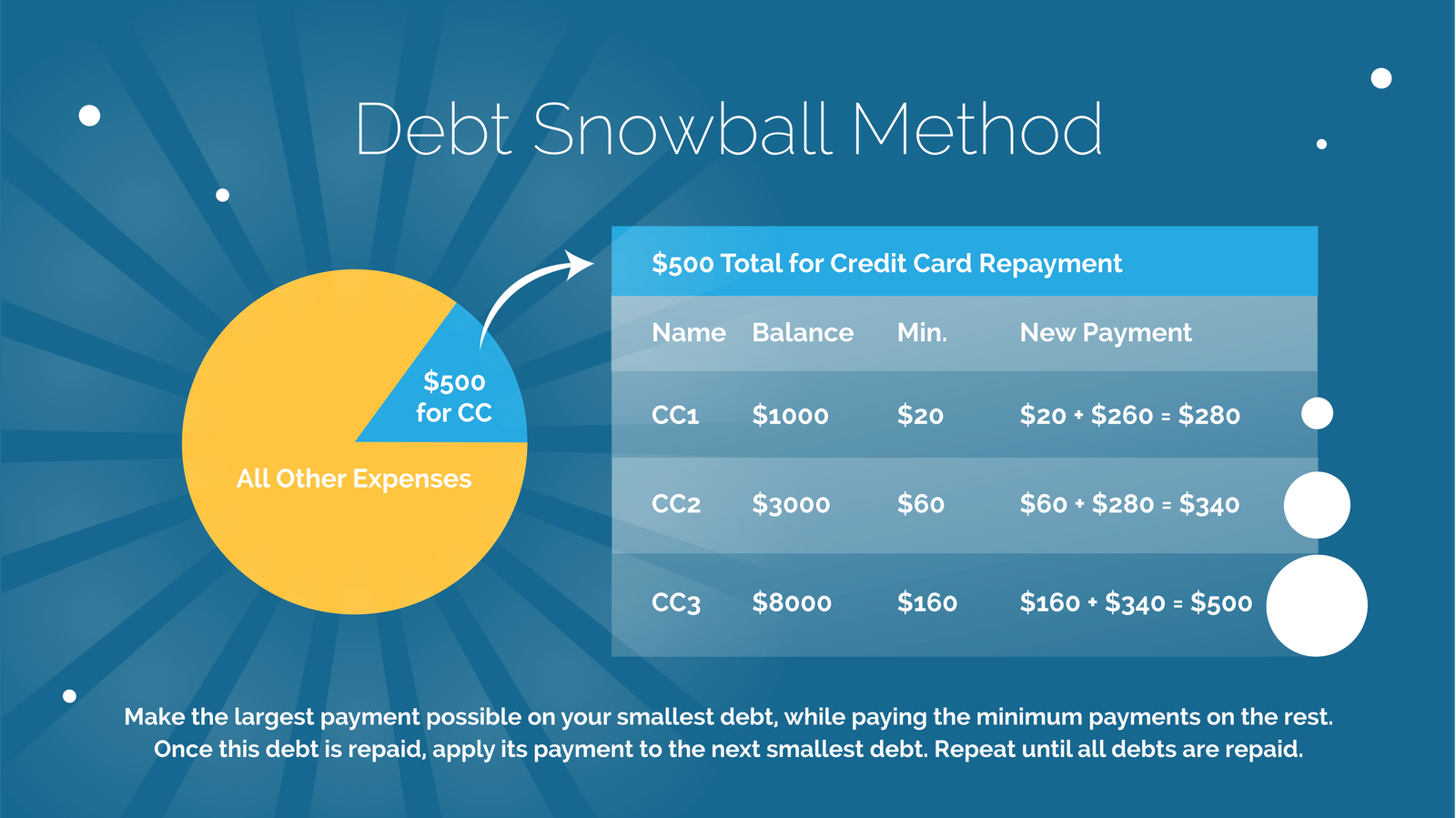
Do not spread small extra payments across five debts. Pick one target. Use either the highest-interest method or the smallest-balance method, then keep minimum payments on the rest.
Step 10: leave room for fun
A budget that removes every enjoyable purchase may work for two weeks and then fail.
Create a realistic personal spending category. The amount can be small. The important part is that it is planned.
When the category reaches zero, stop until the next budget period instead of using a credit card.
A realistic 2026 sample budget
Consider a household with $5,800 in monthly take-home pay.
| Category | Monthly amount |
|---|---|
| Rent | $1,850 |
| Utilities + internet + phones | $420 |
| Groceries | $750 |
| Transportation | $550 |
| Insurance | $400 |
| Medical | $150 |
| Minimum debt payments | $350 |
| Extra debt payment | $300 |
| Emergency savings | $250 |
| Sinking funds | $250 |
| Dining and entertainment | $250 |
| Personal/miscellaneous | $180 |
| Cost-change buffer | $100 |
Total assigned: $5,800.
The important point is not the percentages. Housing may be higher in one city and transportation may be lower. Use your real numbers.
What if housing takes 40% or more of take-home pay?
Many budgeting rules assume housing should fit a fixed percentage. Real markets do not always cooperate.
If housing is unusually high, do not pretend it is lower. Build the budget around reality.
Protect the essentials first
Housing, basic food, utilities, insurance, necessary transportation, and minimum debt payments come before optional spending.
Look for the biggest movable category
Cutting five small subscriptions may save $60. Changing a car payment, insurance plan, roommate arrangement, or housing choice could move hundreds of dollars. Big categories deserve attention first.
Avoid unrealistic food targets
Cutting groceries from $700 to $300 may look good on paper but can create repeated overspending. Set a target based on recent real spending, then improve it gradually.
How to budget with irregular income
Use a two-level plan.
Level 1: survival budget
List the minimum amount needed for housing, utilities, basic food, transportation, insurance, minimum debt payments, and necessary medical costs.
Level 2: normal budget
Add sinking funds, extra debt payments, retirement savings, entertainment, and other goals.
When income is low, fund Level 1 first. When income is higher, fill Level 2 in a preset order.
Create an income holding account
For variable income, one useful system is to deposit income into a separate holding account. Then pay yourself a steady monthly amount into checking.
During strong months, the holding account grows. During slower months, it helps smooth cash flow.
This system works only if you keep business taxes and other obligations separate when applicable.
Use sinking funds for predictable surprises
A sinking fund is savings for a known future category.
Common sinking funds include:
- Car repairs
- Home maintenance
- Medical deductibles
- Travel
- Holiday gifts
- Annual subscriptions
- School costs
- Pet care
Sinking funds turn irregular bills into regular monthly savings.
Real-world example: the car repair
Leah owns an eight-year-old car. Repairs are unpredictable, but she knows older vehicles need maintenance. She saves $100 per month in a car sinking fund.
After seven months, the fund has $700. A $540 repair appears. Instead of using a credit card, Leah pays from the sinking fund and continues saving the next month.
The repair was unexpected in timing, but not unexpected in category.
Real-world example: variable freelance income
Omar earns between $3,800 and $6,500 per month. His essential budget is $3,500. He builds the normal budget around $4,200 rather than the average of his best months.
Any income above $4,200 is assigned in this order: taxes, emergency fund, upcoming annual bills, retirement savings, and extra debt payments.
When a slower month arrives, he does not need to rebuild the entire plan.
How to handle a sudden permanent bill increase
A budget sometimes breaks because a cost does not just spike for one month; it stays higher. A rent renewal, insurance increase, childcare change, or new transportation cost can permanently reduce the money available for other goals. When that happens, do not keep using the old category targets and hope the gap disappears.
First, calculate the new monthly shortfall. Then protect housing, food, utilities, insurance, transportation, minimum debt payments, and essential medical costs. Reduce flexible spending next. If the gap is still large, review major fixed costs such as housing, vehicles, insurance plans, and recurring services. A permanent $250 increase usually needs a permanent $250 solution.
Update your zero-based plan immediately after the change. Lower savings goals temporarily if needed, but keep at least a small emergency contribution when possible. Once income rises or another expense falls, rebuild the savings rate. This approach is more sustainable than repeatedly using credit cards to cover a budget that no longer matches reality.
How often should you update the budget?
A budget should not be rewritten every day. It should be checked often enough to catch problems early.
Weekly: 10-minute check
- Check current balances.
- Review flexible categories.
- Look at bills due before the next paycheck.
- Move money between categories if needed.
Monthly: full reset
- Enter next month’s income.
- Update bills.
- Fund sinking accounts.
- Adjust grocery, utility, or fuel amounts based on current reality.
Quarterly: big-cost review
Shop insurance, review subscriptions, check debt progress, review savings targets, and look for categories that changed permanently.
Common zero-based budget mistakes
Using ideal numbers instead of real numbers
Your last three months of spending are more useful than a generic percentage chart.
Forgetting annual expenses
These bills are why many “emergencies” happen. Build sinking funds.
Making the plan too detailed
You do not need 47 categories. If tracking becomes exhausting, combine similar expenses.
Keeping no buffer
A small miscellaneous or price-change category prevents tiny surprises from breaking the plan.
Never revising the budget
A good budget changes when life changes.
Quick answers
Does zero-based budgeting mean spending everything?
No. Savings and investing are spending assignments in the plan. Your bank balance does not need to be zero.
Can zero-based budgeting work with irregular income?
Yes. Use a conservative income baseline and fund essentials first.
How much should I budget for miscellaneous expenses?
Use your history. A small buffer such as 1% to 3% of take-home pay may be useful, but the right amount depends on your household.
Should I use cash envelopes?
Only if they help. Digital category tracking can work just as well.
Conclusion: build the budget around reality
A zero-based budget works when it reflects the life you actually have. Start with take-home income. Fund essentials. Turn annual costs into monthly sinking funds. Use real grocery and transportation numbers. Add a small buffer. Give savings a job before optional spending.
Then check the plan once a week and reset it each month. High living costs make a perfect budget impossible, but they make a realistic budget more valuable.
Your goal is not to control every dollar forever. It is to decide what your money should do before pressure and impulse make the decision for you.
This article is for general educational purposes and is not personalized financial advice.