

Moving Home Budget: Plan the Costs Before the Boxes Arrive
Make a move plan: List the cash you must pay before you get the keys. Add boxes, a van, help, and new home fees. Check if you will pay for two homes at once. Save a bit for small costs that show up late. Update the list as each bill is paid.
Moving to a new home is exciting until the small expenses start to add up. There may be a deposit, transport, packing supplies, time off work, cleaning, and new utility charges. Some costs arrive before you get keys. Others appear weeks later. A moving home budget helps you spot them early so a new address does not begin with avoidable debt.
This guide works for renters, home buyers, and people moving between cities or countries. Prices and legal deposit rules vary widely, so use the method rather than the sample amounts as your guide. The goal is to build a real list, compare options, and keep enough cash for the first weeks.
Start with the move date and the money available
Write down the earliest date you may need to pay anything and the last date your old home must be empty. Those dates determine whether you might pay for two homes at once. Check lease terms or sale documents for notice periods, handover rules, and any charges for changing a date.
Next, work out how much cash you can use without touching money needed for food, healthcare, work travel, and other essentials. If a move is still months away, set a weekly or monthly savings goal. Do not base the budget on a deposit refund you have not yet received.
Make three columns: costs due before the move, costs on moving day, and costs after arrival. You can use a notebook or spreadsheet. The dates matter because a bill can be affordable in total yet difficult to pay before the next paycheck.
List costs that often hide in plain sight
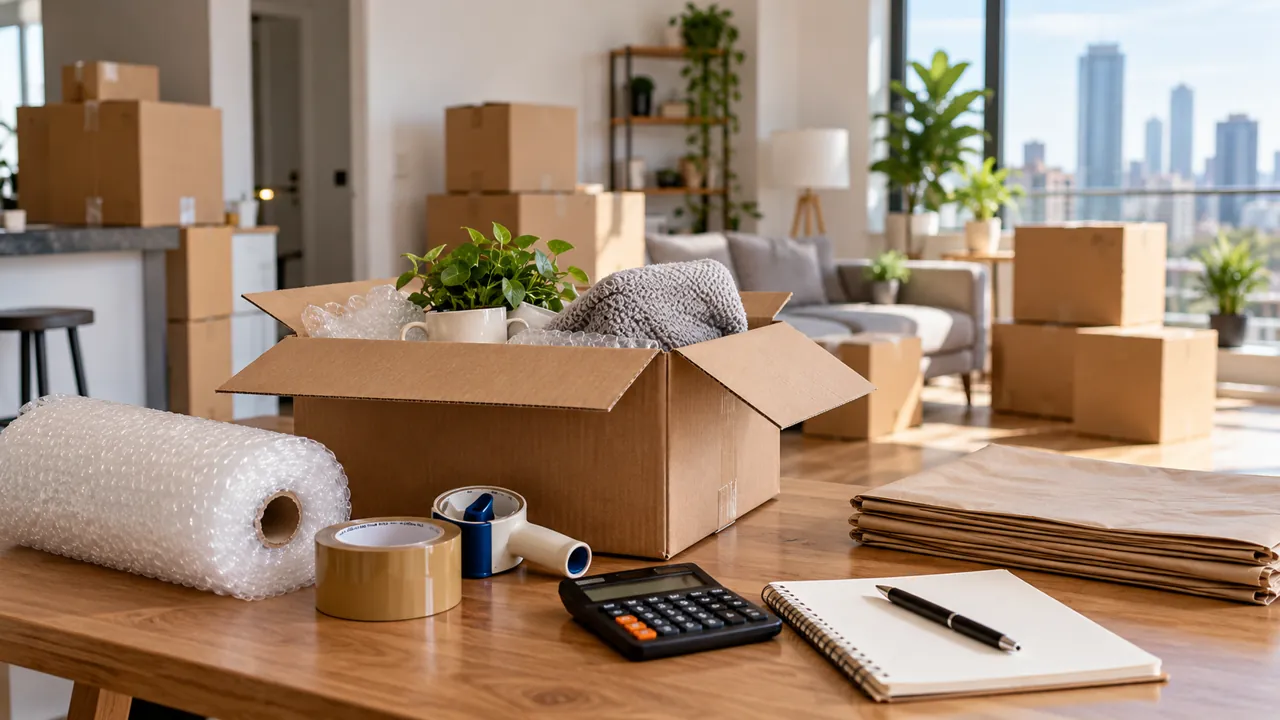
The obvious costs are a moving truck and a new rent payment. Less obvious costs include boxes, tape, cleaning products, parking permits, storage, moving insurance, appliance connections, pet transport, change-of-address services, and a few meals when your kitchen is packed. If you use a professional mover, check which services the quote includes.
For instance, a mover may quote only loading and transport. Carrying items up stairs, handling heavy furniture, or waiting for keys could cost extra. Ask for a written, itemized quote. Also confirm the cancellation terms if the move date might change.
Do not buy packing supplies automatically. Save safe boxes from trusted local businesses, reuse bags and blankets, and borrow tools where practical. Still pay for strong protection when fragile or valuable items need it. A cheap box that breaks under a computer is not a saving.
Compare self-moving with hired help
A self-move can look cheaper because friends help and no labor fee appears. But you may need to rent a vehicle, pay for fuel and parking, buy equipment, and take extra time away from paid work. A professional move may cost more upfront but reduce the work and risk for heavy items. Compare the full cost of both plans.
Use a short scenario. A rented vehicle costs 140 units, fuel 35, equipment 25, and extra travel 40. That is 240 before your time. A local mover offers a 300-unit written quote with loading included. The gap is 60 units, not 160. These are fictional amounts; ask local companies for real prices.

Measure before you move
Check whether large furniture fits through doors, stairways, lifts, and the new room. Measure the items and the narrowest access points. If a wardrobe must be dismantled, set aside the correct tools and label its fasteners. One measurement can prevent a failed delivery or an unexpected second trip.
Prepare for deposits and overlapping payments
A new home may require rent or loan payments before you receive money back from the old place. Put the new deposit, advance rent, service fees, and any required utility deposits on the calendar. Keep copies of written agreements and payment receipts. Learn the local rules for deposit deductions and return deadlines.
When leaving a rented home, take clear photos after cleaning, document any existing damage, and follow the agreed inspection process. This does not guarantee a full refund but gives you a useful record. Do not spend the expected refund until it arrives in your account.

Plan the first month in the new home
New homes can require basic items you did not expect: light bulbs, curtains, a door mat, a cleaning kit, or kitchen tools. Write a short “need on day one” list. Put essentials such as medication, chargers, documents, work clothes, and basic food in a separate bag. Everything else can wait until you understand the new space.
Check how utilities are opened or transferred and whether installation has a fee. Keep final meter readings at the old home where applicable. Compare internet and energy plans carefully, including connection charges and minimum terms. Avoid signing several long contracts in a rush.
A useful moving budget includes a contingency line. The right amount depends on the size and distance of the move. Even a small reserve gives you room for an extra taxi ride or replacement item without taking money set aside for rent.
Reduce the load before paying to move it
It makes little sense to pay to transport items you no longer need. Sort belongings by keep, give away, sell, and recycle. Start early enough to make thoughtful choices. Selling useful items can offset costs, but assume no sale income until the money arrives. Check local recycling rules for electronics and furniture.
Do not discard important records in a hurry. Scan or pack tax, identity, warranty, health, and housing documents securely. If the move crosses a border, check official customs and residency requirements before shipping personal goods. Rules and permitted items vary by destination.

Track actual spending as you go
Every time you pay a moving cost, put the amount in the budget. Keep quotes separate from paid invoices. If one category rises, choose which flexible cost to reduce rather than quietly increasing the overall budget. A small weekly review prevents many forgotten purchases.
For example, if packing materials cost 30 more than planned, you might delay buying a decorative lamp until next month. This is a better tradeoff than cutting a safety-related expense or missing a required deposit. Spend on the move you actually need, not a perfect-looking first day.
Moving budget checklist
- Confirm notice and handover dates.
- List deposits and overlap costs.
- Get itemized transport quotes.
- Measure large furniture and access points.
- Compare supplies, storage and cleaning needs.
- Budget for utilities and setup fees.
- Set aside a first-week essentials bag.
- Keep a small contingency reserve.
- Record actual spending and receipts.
Common questions
How early should I start saving?
As early as you know a move is likely. Divide your estimated total by the pay periods left before payment. Update the target after you get real quotes and dates.
Is the cheapest moving quote best?
Not necessarily. Compare what is included, how damage is handled, access charges, and the provider’s terms. A clear quote can be more valuable than an unrealistically low headline figure.
Should I buy all furniture before moving?
Usually it is worth waiting on nonessential purchases until you measure the space and understand daily needs. This can avoid storage costs and returns.
A moving-out checklist from Australia’s MoneySmart highlights rent, bond and utility costs. Its local tenancy rules may not apply elsewhere. Our sinking funds guide can help you save for the predictable parts of a move.
Make the first month manageable
A move is easier to manage when expenses are visible before they arrive. Put every key date and cost in one plan, ask detailed questions of providers, protect essential cash, and update the numbers each week. You may not avoid every surprise, but you can stop many small expenses from becoming a major strain.
Plan one room at a time
Start with the big items. Measure the bed, desk, and sofa. Check if each one will fit through the new door and up the stairs. If an item will not fit, you have time to sell it or find a safe way to move it.
Next, count the boxes you will need. Ask local firms for a quote based on the same list. Check if the price covers stairs, long walks to the van, fuel, and a late move. A low quote may not be the full cost.
Set aside cash for day one. You may need a meal, a bus ride, a key fee, or a tool to put a bed back up. Keep that cash easy to reach. Do not pack your bank card, ID, or key with the boxes.
On the day, take photos of the old home after it is clean. Save a copy of the move bill. When you settle in, check what you spent against the plan. That gives you a sound guide for the next move.


One Comment