Why Bond Funds Lose Money When Interest Rates Rise
Bond funds can pay income and still fall in value. This guide explains rate risk, duration, credit and currency in plain words so you can judge whether a fund fits your goal.
A bond fund can lose value
People often hear the word bond and think it means safe cash. A bond is a loan to a firm or government. A bond fund holds many bonds. It can give income, but its share price can go down. You can lose money if you sell at a low price.
The main risks include changes in interest rates, the chance that borrowers cannot pay, and the time until bonds mature. A fund can also hold debt in another currency. That can add changes to what you see in your own money.
Do not put rent due next month into a bond fund because it says income. Use a product that fits when you need the cash and how much loss you can bear.

Learn why rates and bond prices move
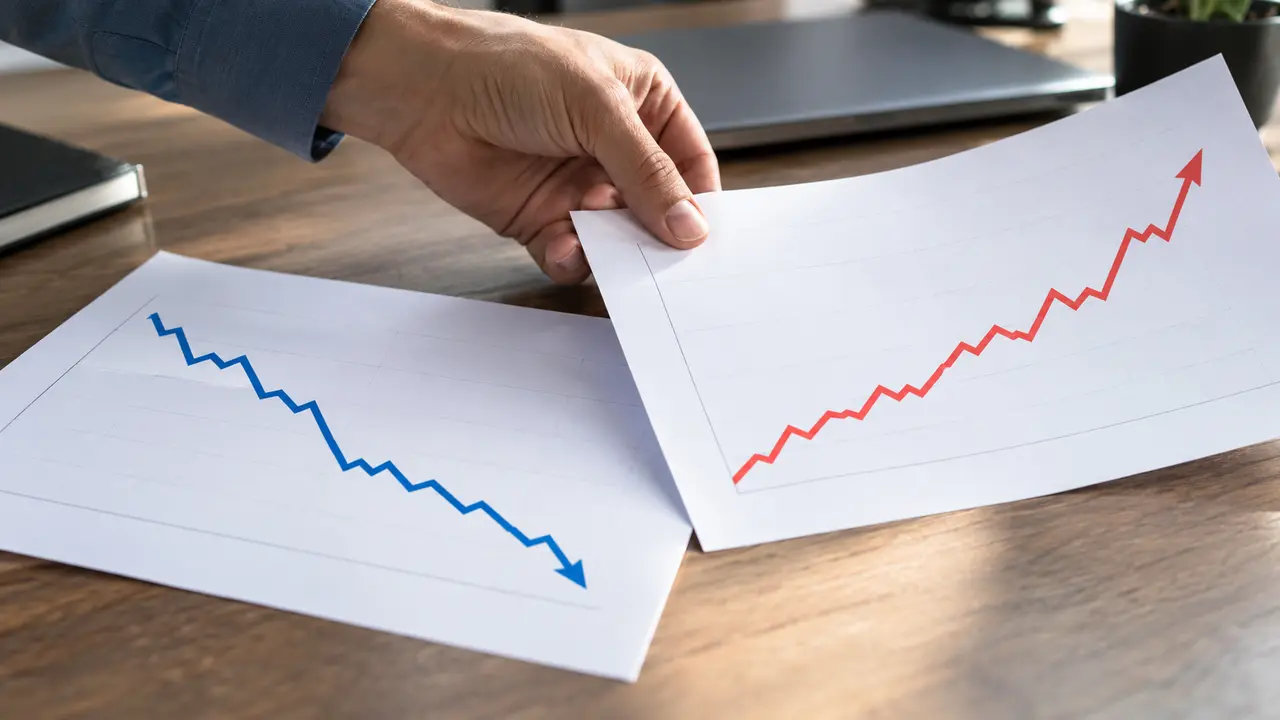
When market rates rise, old fixed-rate bonds may look less useful than new bonds with a higher rate. Their price can fall. When rates fall, older fixed-rate bonds may gain value. The link is not exact every day, but it is a key risk.
The US Securities and Exchange Commission has an investor bulletin on how fixed-rate bond prices tend to fall when rates rise. The same basic link matters in many bond markets.
If you plan to sell a fund soon, a price fall may hurt. If you hold for years, income and new bonds bought by the fund can change the result over time. None of that makes a return sure.

Use duration as a rough risk guide
Duration is a measure that helps show how a bond or fund may react to rate changes. A higher duration often means more price change when rates move. It is not the same as the date when the last bond matures.
For a rough example, a fund with duration of five years may lose about 5% of value if rates rise by one percentage point, before other changes. This is only an estimate. Real results depend on more than one factor, and the rate move may vary across bonds.
Find it on the factsheet
Look for effective duration or a similar measure. Note the date. Compare funds with similar holdings and currencies. A fund with a low fee but much higher duration can be riskier for a near goal.
Check credit risk as well as rates
A firm can fail to pay a bond. Even fear that it may fail can lower a bond price. Government bonds can also carry risk, especially across currencies and markets. A fund with a high yield may hold borrowers with weaker credit.
Look at the types of issuers and credit grades in the fund. A low grade may offer more income, but it also brings more chance of loss. Avoid a yield screen that hides the credit mix.
The Investor.gov bond fund guide lists credit, interest-rate, and prepayment risks. That is a useful reminder that bond income is not the same as a fixed bank deposit.

Think about currency risk
A global bond fund may own debt in several currencies. If your home currency rises against those currencies, the value you see can fall even when the bonds did well in their own market. The reverse can also happen.
Some funds hedge currency risk. A hedge can reduce one kind of swing, but it has costs and may not work perfectly. Check whether your exact share class is hedged, not just the fund name.
Match the fund to the currency of your goal when possible. If a bill will be paid in your home currency soon, a large unhedged foreign bond share may add a risk you did not need.
Read what the fund owns
A short-term government bond fund is not the same as a long-term corporate bond fund. One may hold debt that matures soon. Another may hold bonds due decades later. Some funds buy mortgage-backed or complex debt with different risks.
Look at issuer types, average credit quality, duration, currency, and the largest holdings. Note if the fund is active or tracks an index. Ask what could make its value fall and whether that would hurt your plan.
A fund that holds hundreds of bonds can spread the risk of one borrower. It cannot remove a broad rate shock or a shared market problem.
Know the difference from a single bond
A single bond held to maturity may pay a set amount if the issuer meets its promise and the terms are met. But you can still lose if you sell early at a low price or the issuer fails. A bond fund usually keeps buying and selling bonds. It has no one fixed date when all your fund units pay back at face value.
Some fixed-maturity funds aim to wind down at a set date. Read how they work and what risks remain. The name alone does not guarantee the amount returned.
If you need a fixed sum on a fixed day, compare the legal terms of options available in your country. Do not assume a bond fund works like a protected savings account.
Compare fund fees and trading costs
Bond returns can be modest in some markets, so fees may take a visible share. Check the annual fund charge, platform cost, and buy or sell spread. A low-cost fund may leave more income, all else being equal.
But fees are not the only point. A low-fee fund with long duration may be a poor match for a short goal. First match the type of debt and risk. Then compare costs among similar funds.
Check if the yield shown is before or after expenses. A trailing yield may use past payments and may change. It is not a promise of what you will earn next year.

Test a bad year before buying
Imagine rates rise sharply and the fund falls by 8%. Could you keep the money invested, or would you need to sell for bills? If you could not wait, the fund may be too risky for that goal. A short time frame leaves less room to recover from a loss.
Ask if you can handle a fall at the same time that shares also drop. Bonds can sometimes help spread risk, but they do not always rise when stocks fall. Plan for more than one bad outcome.
Your bond fund check
Record duration, issuer mix, credit quality, currency, fees, yield measure, and your goal date. Add one line on why this fund fits the plan. If you cannot explain the risk, learn more before you buy.
Review the plan without rate guesses
It is tempting to trade bond funds based on the next central bank meeting. But markets may have priced in the expected move. A correct guess about rates does not always lead to a good trade.
Use a clear asset mix and review rule instead. If your goal date draws near, you may shift part of the fund to safer assets where suitable. Consider fees and tax before making changes.
Do not chase a high yield after a price fall without checking what caused it. A rise in yield may reflect rate changes, credit risk, or both. The cause matters.
Keep the job of bonds clear
A bond fund can play a role in a long-term mix. It may bring income and spread some risk. But it is an investment with a price, not a cash box. A good choice starts with the goal, then the fund’s holdings and rate risk.
Read the factsheet before you buy and again when the fund changes its approach. Ask a qualified local adviser for help with tax, currency, or complex debt. Use the official regulator record to check a provider.
This is general education, not advice to buy a bond fund. Products, investor rights, and taxes vary by country. Know how much the value could move before putting a near-term need at risk.