International ETF Currency Risk: What Changes When Exchange Rates Move
Key point: An overseas fund can rise in its own market yet fall in your home currency. That is due to shifts in exchange rates. Check which money units the fund owns. Learn whether it hedges currency risk. A fund’s trade currency alone does not tell the whole story.
A global fund can own good firms and still give you a weaker return in your home money. The reason may be an exchange rate change. This can seem odd at first. This guide shows how currency risk works in an international ETF, how to check the fund, and when a hedge may matter. It is a learning guide, not a tip to buy or sell a fund.
Why your home currency matters
You pay bills in one or more currencies. A fund may own shares priced in many others. When you sell, the value that matters to you is what you can spend at home. Even if the shares stay flat in their local market, a change in the exchange rate can move the value you see.
The US Securities and Exchange Commission’s Investor.gov site explains that a shift in the exchange rate can raise or lower a foreign investment return. That idea applies to global investors, though tax and fund rules differ by country.
This does not mean global funds are bad. They may help spread money across more firms and markets. But you should know which risks you are taking. Company results, stock prices, fund costs, and exchange rates can all affect what you get back.
See the exchange-rate effect with simple math
Suppose you invest 100 units of your home money in a foreign share fund. Assume the shares gain 10% in their own currency. If that currency then loses 10% of its value against yours over the same span, your final gain in home money is much smaller. These are round numbers for learning, not a forecast.
For a more exact example, say 100 home units buy 100 foreign units. The shares grow to 110 foreign units. If each foreign unit now buys only 0.9 home units, you have 99 home units before fees or tax. The share gain did not vanish inside the fund. The rate changed what the shares are worth to you.
The reverse can happen too. A weaker home currency can make a foreign holding worth more in your home money. Do not build your plan on a guess about which currency will rise. Rates can change for many reasons and may be hard to predict.
Keep the parts of return apart
When you check results, look at the market return, exchange-rate move, fund fee, and any tax or trade cost. If a platform shows the chart in a foreign currency, it may not match the gain in your home currency. Ask which unit the chart uses before you compare two funds.
A fund’s trading currency is not the whole story
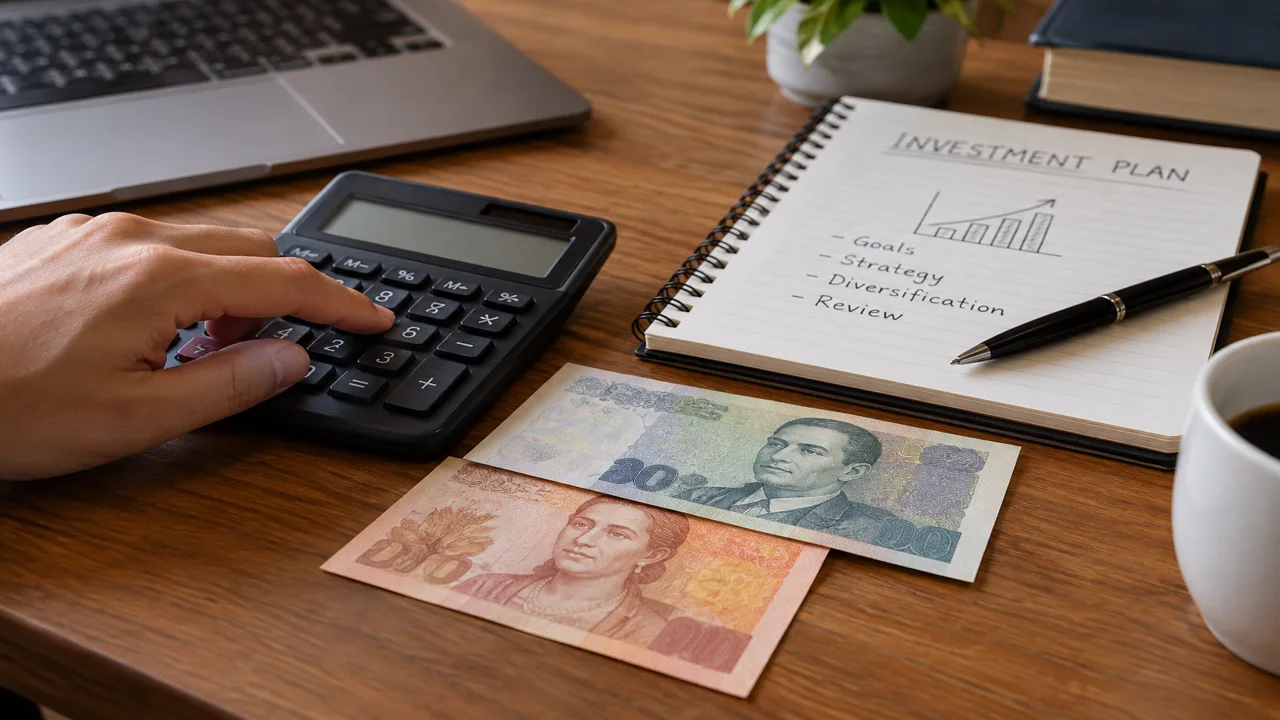
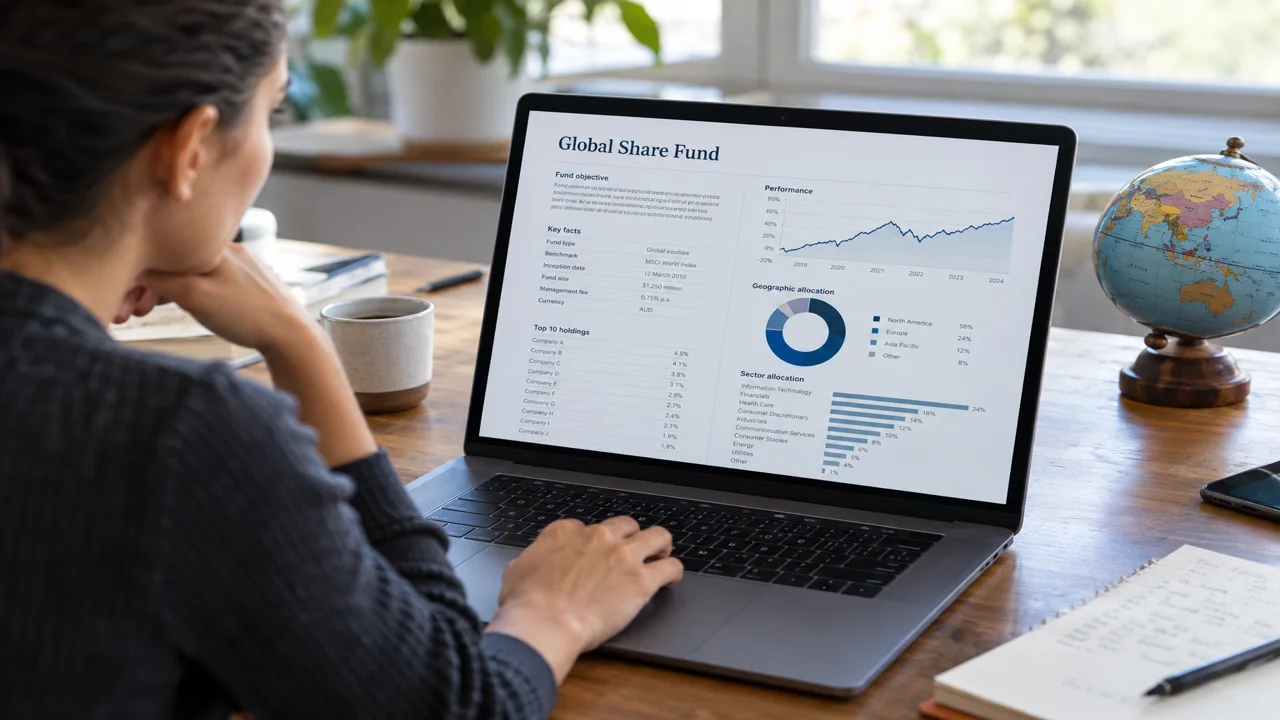
An ETF may trade on an exchange in one currency but hold shares across many countries. The price label on your broker app does not tell you all the currencies in the fund. Read the fund fact sheet for its index, country mix, and how it handles currency exposure.
For example, a fund that trades in euros may own firms in the US, Japan, and many other places. Buying the same assets through a listing in another currency does not by itself remove the risk from the stocks held. Trading currency and underlying exposure are different ideas.
Check if the fund is a local listing, a share class of a larger fund, or a fund that uses a hedge. Read the full name and identifier, not just the short ticker. Funds with similar names can have different fees and rules. Do not assume two tickers are the same product.
What a currency hedge tries to do
Some funds use contracts to reduce the effect of a currency move. Such a fund may be called currency-hedged. The hedge may make returns less tied to one exchange rate. But it is not free and may not work in a perfect way. There can be costs, tracking gaps, and rules on when a hedge is set.
A hedge also cuts both ways. It may help when the foreign currency falls against yours, but it may reduce the gain you would have had if that currency rose. It is a tool for a risk, not a promise of better total returns. Compare the aim, cost, and the role of the fund in your plan.
Read the fund’s own facts, not a forum claim that hedged is always safer. A firm may hedge only part of the fund or use a set method. Make sure the hedge is against your own spending currency. A hedge to a third currency may not solve the risk you care about.
Match currency risk to when you need the money
Time frame matters. Money for a bill due in three months may need more care than money set aside for a goal far in the future. A sharp exchange move just before you sell can hurt a near-term goal. Keep emergency savings and near-term needs apart from volatile foreign stocks.
A long-term investor may accept currency swings as one part of a broad portfolio. That does not make the risk vanish. Ask what happens if your home currency rises fast near the date you need funds. If a goal needs a fixed sum, you may want to cut the risk as the date comes near.
The right choice may change if you move to a new country or plan to pay future bills abroad. If you expect to spend in the same currency as some of your assets, that may alter the risk. Think about real future bills, not just where you live today.
Check costs beyond the fund fee
A global ETF may have a yearly fund fee, a bid-ask spread, broker charges, and a fee to swap currencies. A bank or card may use its own exchange rate. Add these costs when you compare listings. The cheapest fund fee may not mean the lowest full cost for your route.
Use the same date and amount for a fair comparison. Note the price to buy, the price to sell, and the exchange rate your broker applies. If you plan to add money each month, small fixed trade fees can matter. If you invest less often, other costs may matter more.
Do not confuse a low fee with low risk. A cheap global fund can still lose a large share of value. Fees are one part you can check. Market and currency moves are risks you must be able to live with.

Look at fund overlap and country mix
Two global ETFs may own many of the same firms. If you hold both, you may not spread risk as much as you think. Look at the top holdings and the weight of each country. A fund sold as global may still have a large stake in one market. This is not always wrong, but it should be clear.
The Investor.gov asset allocation guide explains why the mix of investments should fit your time frame and comfort with loss. Currency risk is part of that wider picture. Do not set your fund choice from an exchange-rate view alone.
Keep a simple currency risk note
Write the currency you earn, the one you spend, and the one in which you will need the money. Next, list the fund’s main markets and whether it uses a hedge. Note its annual fee and the broker’s trade cost. Review this when your goals or place of work change.
You do not need to track exchange rates each hour. A calm check once or twice a year may be enough for a long plan, along with a review when a major goal nears. Too much price watching can prompt rushed trades. A written plan helps you keep the risk in scale.

A short check before you invest
- I know the currency in which I will spend the money.
- I know the fund’s real holdings and main markets.
- I checked if the ETF is currency-hedged.
- I understand that a hedge has costs and trade-offs.
- I checked the fund fee, spread and broker exchange cost.
- My time frame can handle stock and exchange-rate swings.
Currency exposure is only one part of risk. Our guide to short-term cash choices offers context for money that should not face stock-market swings.
The bottom line
A global ETF holds assets whose value may move with both markets and exchange rates. The ticker’s trading currency is not the full answer. Read the fund facts, check the costs, and think about when and where you will spend the money. A hedge may reduce one risk, but it does not make the fund risk-free.