Gadget Insurance: Check Accidental Damage, Theft and Claim Gaps
Check the small print: A phone plan may cover a drop but not a loss. Some plans pay for theft yet leave out wear and tear. Check the fee you pay when you claim. Keep proof that you own the device. Ask what repair or new item the policy will give.
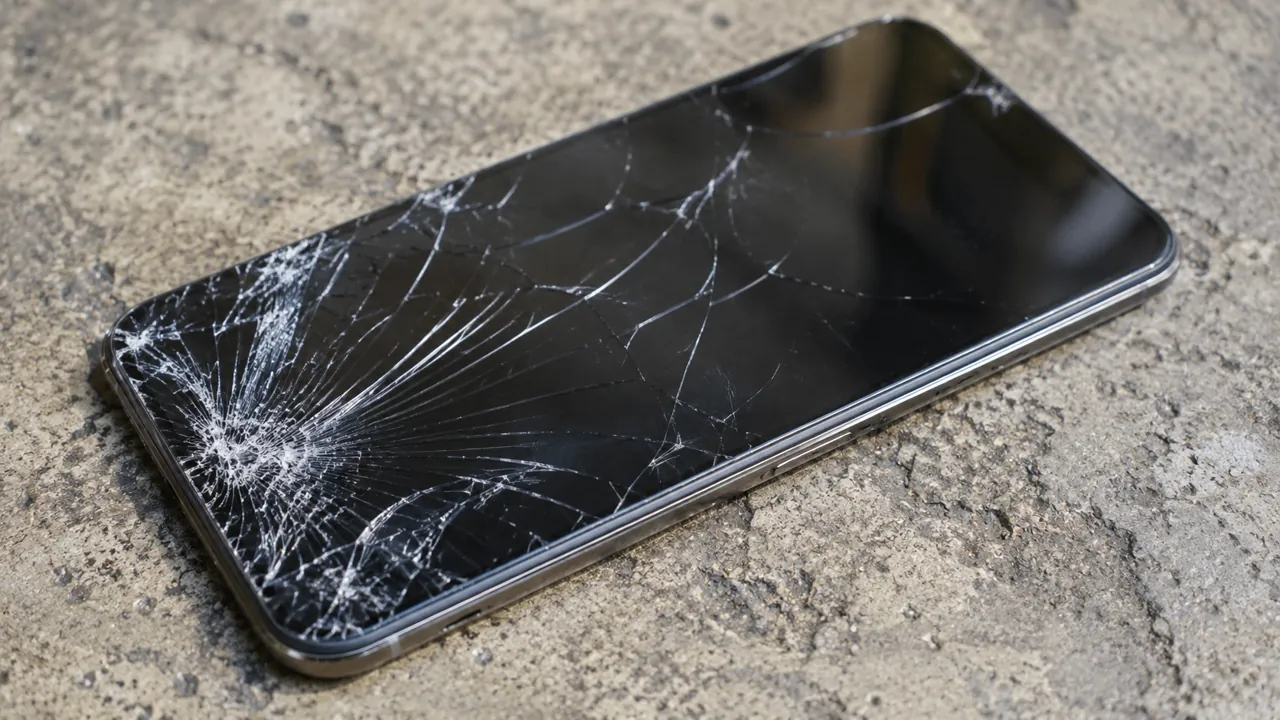
A phone slips from your hand and the screen cracks. You reach for the insurance paperwork, only to find that repairs may cost more than expected. Gadget insurance can help with some losses, but a policy name does not tell you which events qualify. Exclusions, deductibles, claim limits, and required proof can change the value of the cover.
This guide helps you compare gadget protection for phones, laptops, tablets, and similar devices. It is written for a global audience. Local consumer rules and product terms differ, so always check the contract offered in your country before buying or claiming.
Start with the device and the risk
Ask what loss would hurt your budget most. Is it a cracked screen, liquid damage, theft while traveling, or the cost of replacing a laptop needed for work? A policy that covers one event may exclude another. If you already have enough savings to replace a low-cost phone, paying repeated premiums might not fit your needs.
Check what you already have. A manufacturer warranty usually concerns qualifying defects, not every accident. A home or renters policy might cover some devices but can have limits and deductibles. A card benefit may have its own conditions. Do not buy overlapping cover without checking what each product actually pays.

Read the accidental-damage definition
Accidental damage sounds simple, but policies can define it narrowly. One may cover a sudden drop while another excludes damage from repeated wear, poor care, cosmetic marks, or certain liquids. The insurer may require you to stop using a damaged device and report the event promptly. Read the terms in full.
Check the difference between mechanical breakdown and accidental damage. A battery losing capacity over years is not the same as a phone falling onto a hard floor. If the screen is damaged but still works, ask whether a repair qualifies or whether the loss is considered cosmetic.
Think about where you use the device. Some policies cover incidents anywhere in the world; others have travel limits, country restrictions, or conditions about unattended belongings. If you spend time abroad, check the geographic scope rather than assuming a global brand offers global cover.
Understand theft and loss exclusions
Theft means someone takes your property without permission. Accidental loss means you no longer know where it is. Insurers may treat these events very differently. Some policies include theft but not loss. Some need evidence of forced entry or a police report, while others have specific rules for items left in public places.
Do not invent a theft story when you simply misplaced a phone. False claim information can lead to rejection and other consequences. Report the real circumstances and ask what documents are required. If there is a crime, use the local reporting channel and keep its reference number.
Calculate the deductible and total premiums
The deductible is the part of a covered claim you pay. Add the premium you will pay over the policy term, any service charges, and the deductible. Compare that total with the cost of a repair or a suitable replacement. A policy can still be useful for a large loss, but it may offer little value for a small one.
Imagine a tablet that costs 400 units to replace. The policy costs 75 for a year and has a 100-unit deductible. If one qualifying claim leads to a 300-unit repair, the insurer may pay only a portion after the deductible. The exact calculation depends on the contract. The numbers are hypothetical and should not be treated as a quote.
Look for a maximum claim amount, yearly cap, number-of-claims limit, and depreciation rule. A payout based on the device’s current value can be less than the price of a new version. Ask whether the insurer repairs the device, replaces it with an equivalent model, or pays cash.
Check repairer and replacement conditions
Some insurers require an approved repairer. Others reimburse invoices only if you get consent first. A third-party repair before a claim might make recovery harder if the policy forbids it. Check whether the replacement can be refurbished and what warranty applies to that replacement.
Back up personal data regularly and learn how to sign out of a lost device remotely. Insurance does not restore photos or work files that were never backed up. It also may not cover the value of personal data. Treat device security as a separate form of protection.
Prepare proof before a problem happens
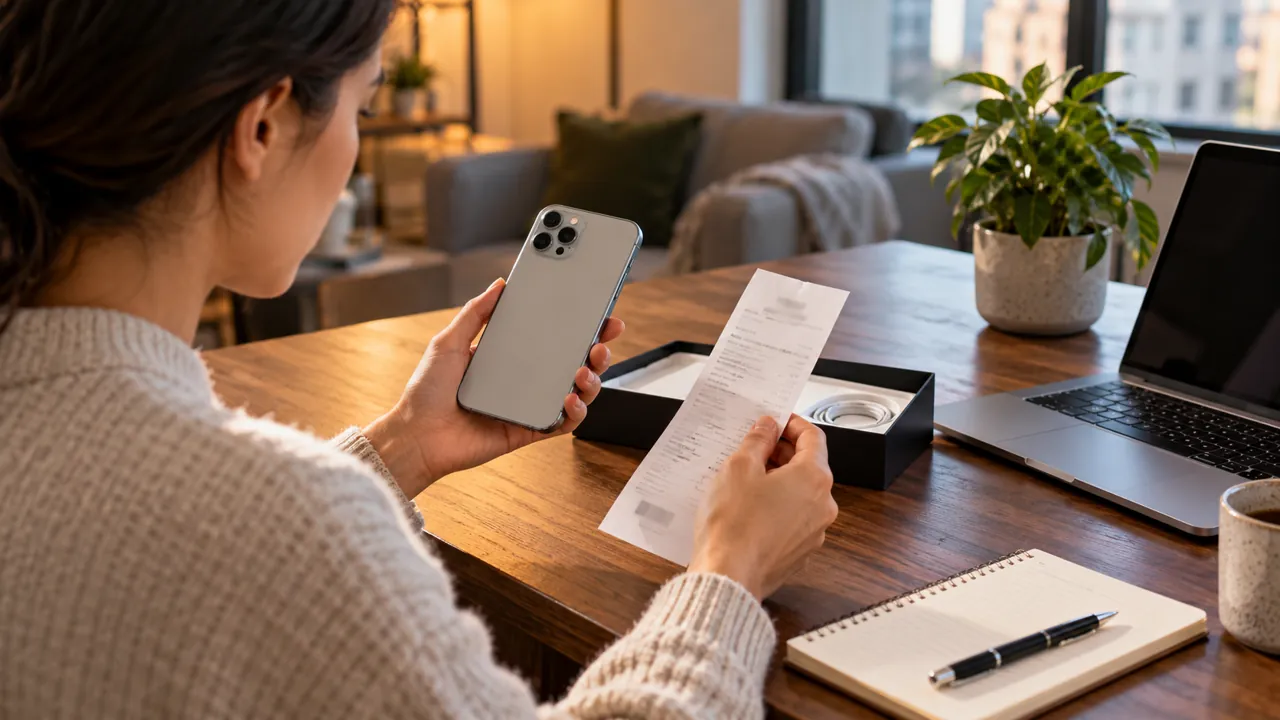
Keep the purchase receipt, serial number or device identifier, policy schedule, and any official repair records. Store them securely and away from the device itself. If you use a phone for work, keep a backup plan for essential access such as two-factor authentication and contacts.
When a claim happens, document the date, place, and facts while they are fresh. Take clear photos if it is safe. Contact the insurer through its official channel and ask for the claims form, evidence list, and deadline. Get a case number and save messages. Do not assume the retailer can file an insurance claim on your behalf.
The National Association of Insurance Commissioners offers general insurance consumer education for the United States. Its guidance can help frame questions, but the policy and rights in your market control your case. Use your local regulator for country-specific complaints.
Decide whether gadget cover is worth buying
Do not compare only the monthly premium with the device price. Think about the chance of the types of loss the policy covers, how much you can pay yourself, and whether a repair service is available locally. A person who relies on a costly laptop for work may value protection differently from someone with an older low-cost phone.
Ask for the insurance product information and complete terms before paying. Check whether it renews automatically, how to cancel, and whether the price changes at renewal. Confirm the insured device and owner details. An incorrect model or serial number could complicate a claim.
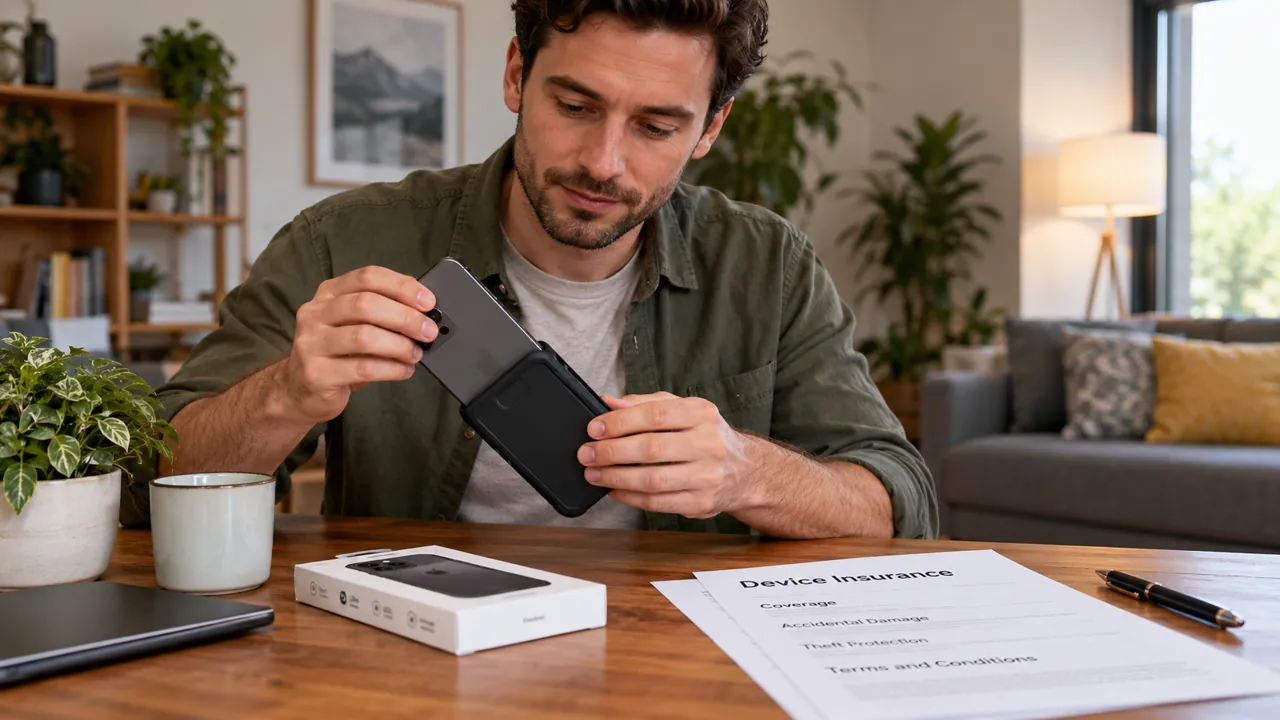
Gadget insurance checklist
- Identify the device and replacement cost.
- Check existing warranty and home cover.
- Read accidental damage and liquid exclusions.
- Check theft versus accidental loss cover.
- Confirm geographic and travel limits.
- Add premiums, deductible and service fees.
- Review claim caps and repairer rules.
- Save receipts and device identifiers.
- Check claim deadlines and cancellation terms.
Common questions
Does a manufacturer warranty replace gadget insurance?
Usually not. Warranties and insurance respond to different events and conditions. Read both documents to see where cover overlaps or leaves a gap.
Can I claim for a small screen scratch?
It depends on the policy’s cosmetic-damage rules. Many policies exclude marks that do not affect function. Ask before paying for a repair you expect to claim.
Will I get a brand-new phone after theft?
Not always. The contract may allow a refurbished or equivalent replacement, a repair, or a payment based on value. Check the exact settlement terms.
For a wider look at deductibles and coverage gaps, see our insurance cost comparison guide. The products differ, but the need to read exclusions is similar.
The takeaway
Gadget insurance can be useful when a covered loss would strain your budget. It is less useful when the main event you fear is excluded or the deductible is close to the repair cost. Read the details, compare the full cost, keep proof of ownership, and protect your data separately. That is a more reliable plan than trusting a label on a sales page.
Test a phone claim before you buy
Say your phone falls from a desk and its screen cracks. Read the plan as if this took place today. Would the firm pay for the glass? Must you use its repair shop? How much cash would you pay first?
Now try a theft case. You leave the phone on a cafe table and it is gone when you turn back. Some plans may not pay if the phone was left alone. A police report or proof of purchase may be needed. Learn these rules before you pay.
Check the age and value limit too. The firm may give you a used phone of the same type, pay a set cash sum, or repair the old one. Those are not the same deal.
Keep the receipt and serial number in a safe place. Set a lock and turn on the tool that can help you find the phone. A case and screen guard may cut the chance of a claim. Use the plan as one part of care, not the whole plan.