Emergency Financial Documents: Build a Family Records Kit You Can Actually Use
A lost phone, a sudden hospital stay, or a flood can make a normal money task hard. Bills still need to be paid, but an account number or insurance paper may be out of reach. A family records kit solves one part of that problem. It shows where key records are and how the right people can find them when needed.
You do not need to buy an expensive safe or share every password with your family. Start with a short list, store copies in a safe way, and agree on who should have access. This guide is for households in any country. Local rules for identity documents, property papers, wills and power of attorney differ, so check official local advice for those items.
Decide What the Kit Must Do
Your kit should help with three tasks: prove who you are, contact the right people, and find the money and cover that support your household. It is not meant to replace original legal records or act as a public family archive. Keep its purpose narrow to protect privacy.
The US Federal Deposit Insurance Corporation advises people to keep personal, financial and insurance records accessible for recovery after disasters, and to update them as circumstances change. That guidance is relevant beyond one country, though bank protection and legal systems vary.
Think about a real disruption
Imagine the person who pays household bills cannot use their phone for two weeks. Could someone else find the rent due date, emergency cash location, insurance contact and account support number? If not, write down what is missing. This gives you a useful starting list.
For a person who lives alone, the trusted contact might be a relative or friend. For a shared home, it could be a partner or another adult. Do not assume that anyone should access a private account just because they know it exists. Legal authority and the bank’s own rules still apply.
Gather the Records in Small Groups
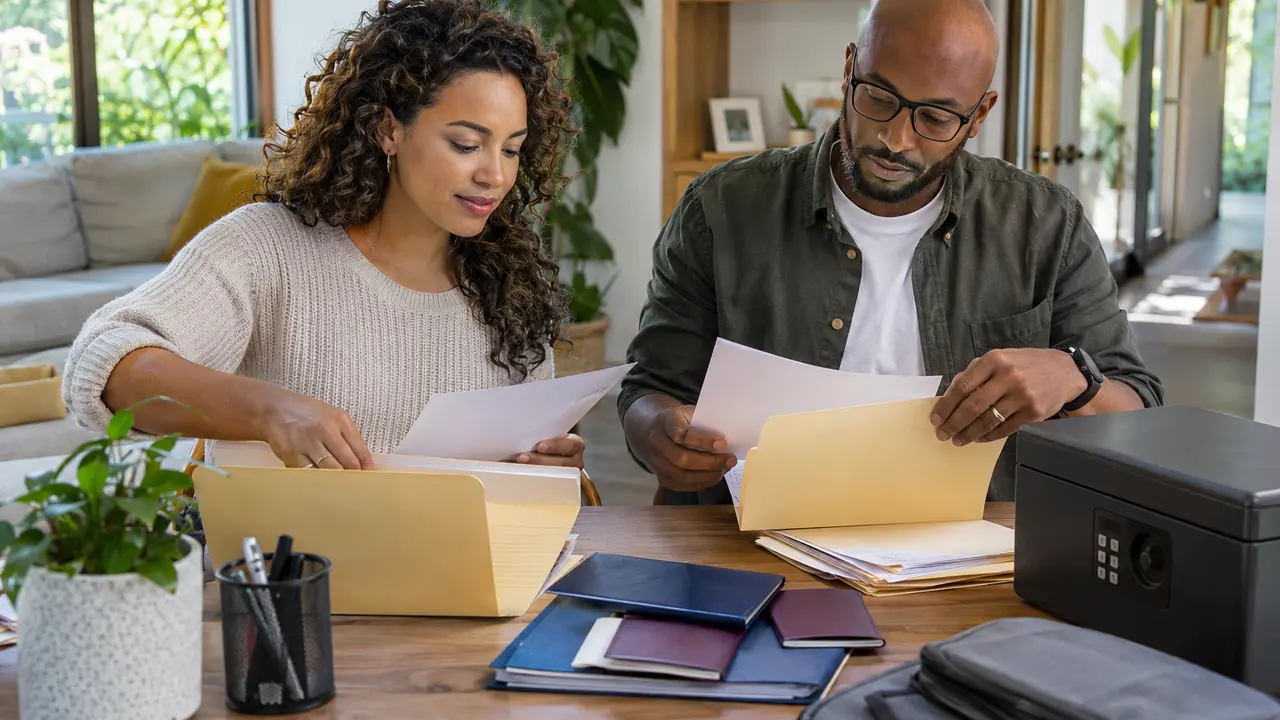
Work one group at a time. Find identity and household documents first, then money records, then insurance and health contacts. If you try to scan every paper you own, the job may become too large and never get finished.
Identity and household
List where you keep passports, birth and marriage records, residence permits, property or rental papers, and other documents your country uses. Some are hard to replace. For items you should not carry every day, a secure copy may help you identify the issuing office and request a new original.
Banking and regular bills
Record the names of banks and financial providers, account types, customer support contacts, and the dates of major bills. For privacy, you may not need to put a full account number in every copy of the kit. A partial identifier and the place to find full details can be enough for a trusted helper.
Insurance, work and benefits
Keep policy numbers, renewal dates, claim contacts, employer or pension support details, and the location of benefit documents. If you have a policy that covers your home, note the claim process and what evidence you would need. Do not mix an unverified sales brochure with the actual current policy.
Medical and care contacts
List the people to call in an urgent situation and where to find health cover details. Include emergency care needs only with the person’s knowledge and in a way that respects privacy. A separate sealed page may be better for sensitive information.
The Consumer Financial Protection Bureau’s document organizer suggests reviewing important financial and legal papers and keeping them in a secure place. You can adapt that approach into folders that make sense in your country.
Make One Simple Index Page
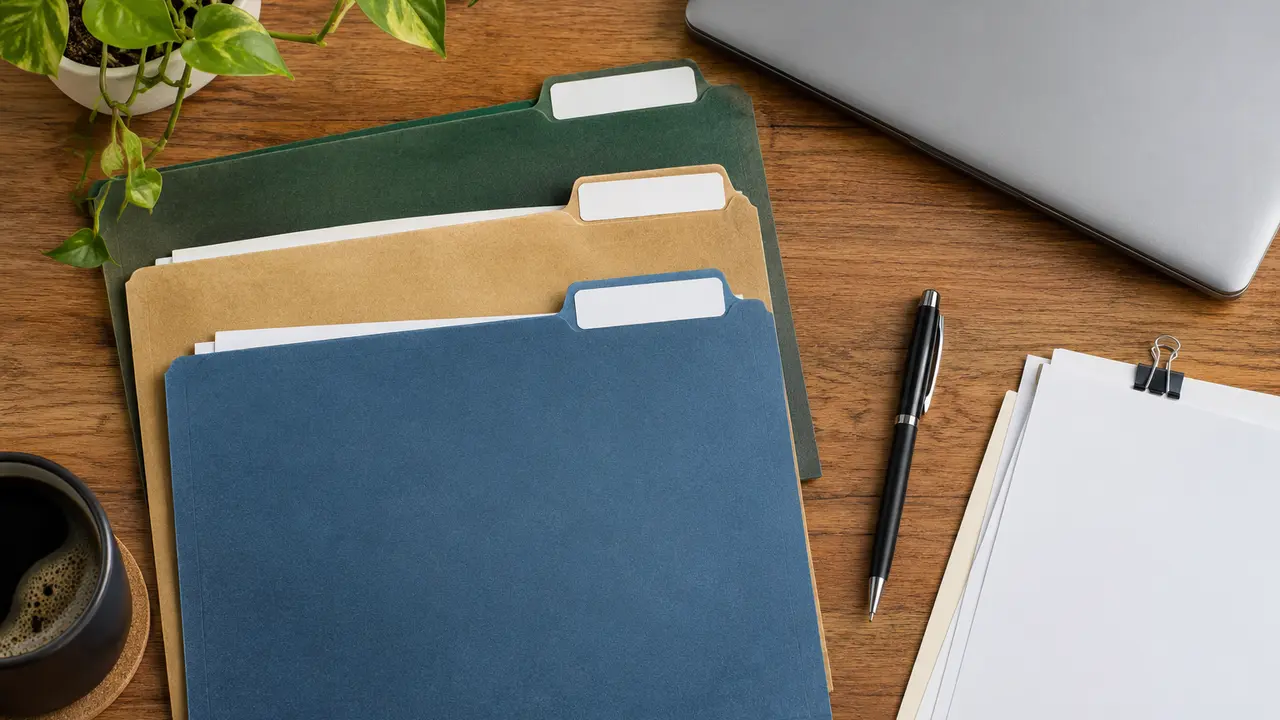
The index is the most useful part of the kit. It lists a document, the date you checked it, where the current version is stored, and whom to contact. Keep it short. A page that says ‘home insurance: blue folder, shelf cabinet, insurer phone in contact sheet’ is easier to use than a pile of unsorted PDFs.
You can use a paper table or a password-protected digital note. The best format is one that you and your chosen helper can open during stress. Avoid complex file names that only make sense to you.
What the index should contain
- Document or account type
- Who it belongs to
- Where the current copy is kept
- Provider or issuing office
- Date last checked
- Who can access it in an emergency
Do not place complete passwords, card PINs or one-time security codes on an open index. Those details create extra risk if the page is lost. Treat the index as a map, not as a master key.
Choose Safe Storage for Paper
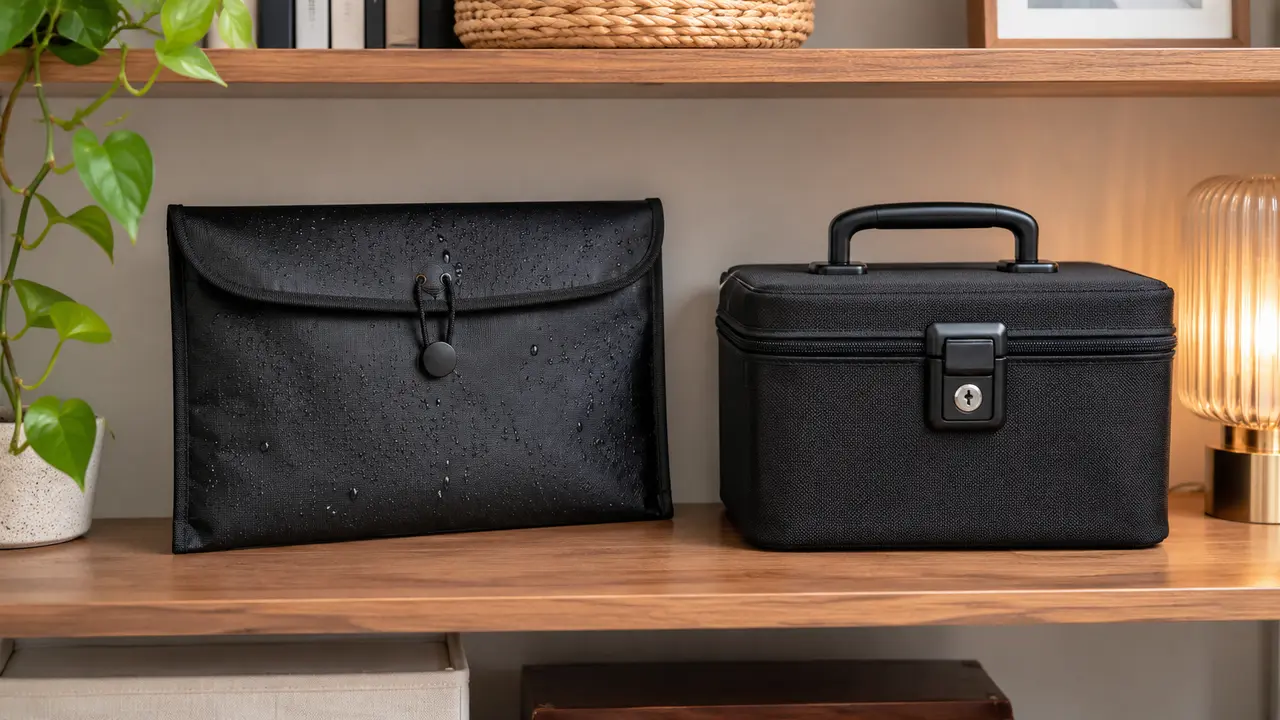
Keep original papers where local law or practical need requires them. A waterproof pouch inside a secure, fire-resistant container can protect copies from common home damage. No box can promise safety in every disaster. If you use a bank deposit box, check access rules and opening hours before relying on it for urgent papers.
The Ready.gov Emergency Financial First Aid Kit recommends gathering and protecting key documents and contacts. Its worksheets are designed for the US, but the method of collecting, copying and checking records can be adapted to local papers.
Keep an emergency copy separate
One copy may stay at home. Another can be held safely with a trusted person or in secure off-site storage. If both copies sit in the same drawer, a single event may destroy them together. Do not leave unsealed copies of identity or banking papers in a car or casual travel bag.
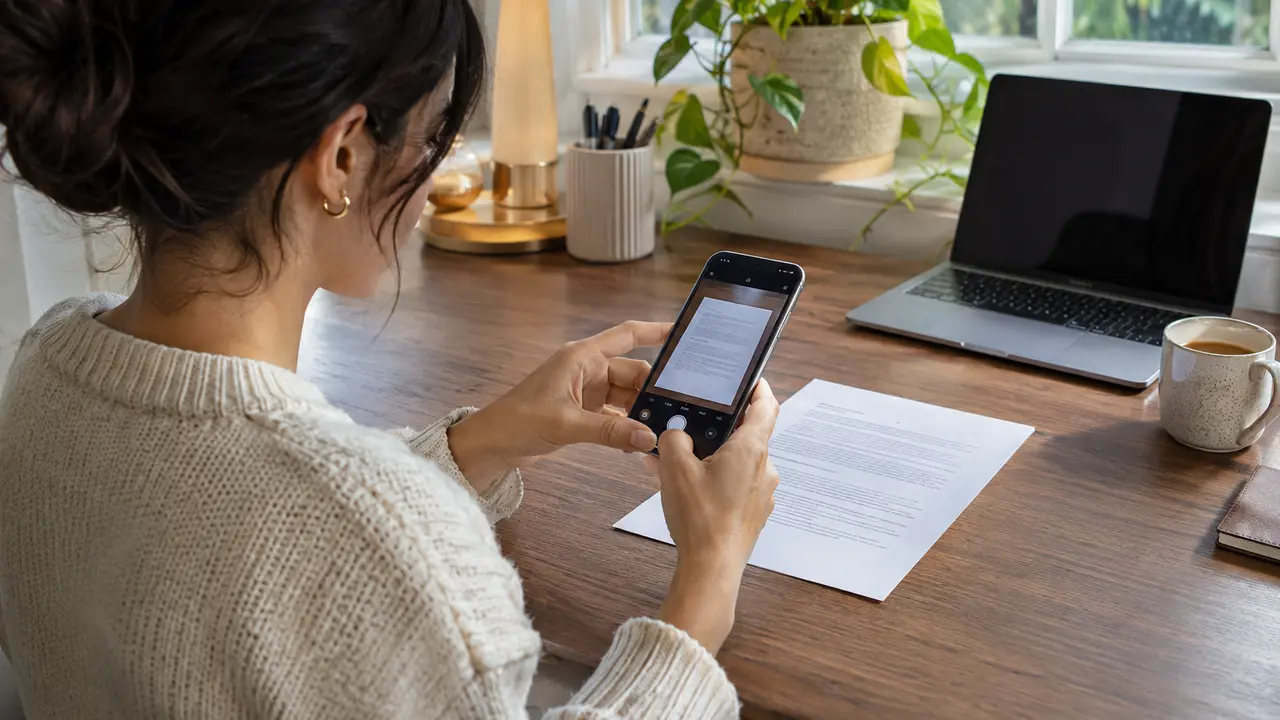
Create a Digital Copy Without Spreading Private Data
Use your phone’s scan feature or a scanner to make clear copies. Check that each image includes the whole page, is readable, and opens after saving. Give files names such as ‘home-policy-current’ or ‘rental-contract-signed’ without placing private ID numbers in the filename.
Place the files in a protected folder with strong account security. A trusted cloud storage provider may be useful, but check sharing settings, recovery options and who can access the account. Use multi-factor sign-in when available, and keep a separate recovery method in a safe location.
A simple scanning routine
Scan five records at a time. Open each file and check the first and last page. Delete blurry duplicates from the folder. Then update your index with the date and location. This small routine is easier to finish than a weekend project that scans hundreds of papers without checking them.
Avoid sending a full set of documents to a large family chat. Messages are easy to forward, and old phones may keep copies. Share access only with someone who needs it and understands how to keep it private. If an outside helper needs one document, share that document alone.
Plan Access for the Right Person
A records kit is most useful when a trusted person knows it exists. But there is a difference between knowing the location of a bank record and having legal power to use the account. Contact the bank or a local legal professional about authorized signers, nominees, beneficiaries, powers of attorney and estate rules where these matter.
Choose a contact who can stay calm, respect privacy, and follow your written instructions. Explain what they should do first in an emergency. It may be as simple as contacting your insurer, finding a medical cover card, and telling the right family member where papers are stored.
Write a short handoff note
Use plain words such as: ‘If I cannot handle household admin, call the people on this contact sheet. The folder index shows where the rent, insurance and utility details are. Do not use my bank account unless you have the right authority.’ This protects both the household and the helper.
People’s needs change. A former housemate or ex-partner may no longer be the right contact. Review access whenever your household, job, bank or relationship changes. Remove access that is no longer appropriate.
Add a Claim-Ready Home Inventory
Photographs can help show what household goods you owned before damage or theft. Take clear pictures of important items and save receipts or serial numbers where useful. Do not assume every item is insured; check cover limits and exclusions against your policy.
The FDIC disaster guidance also points to emergency records as a way to aid recovery. For a home claim, the detail you can show may make the first call simpler. Take room photos after any large purchase or move, then store copies away from home.
Keep the inventory realistic
You do not need a studio photo of every spoon. Start with electronics, work tools, valuable furniture and major appliances. Photograph the front, any serial plate, and proof of purchase if you have it. Update the list when you sell or replace something expensive.
Test the Kit Once Before You Rely on It
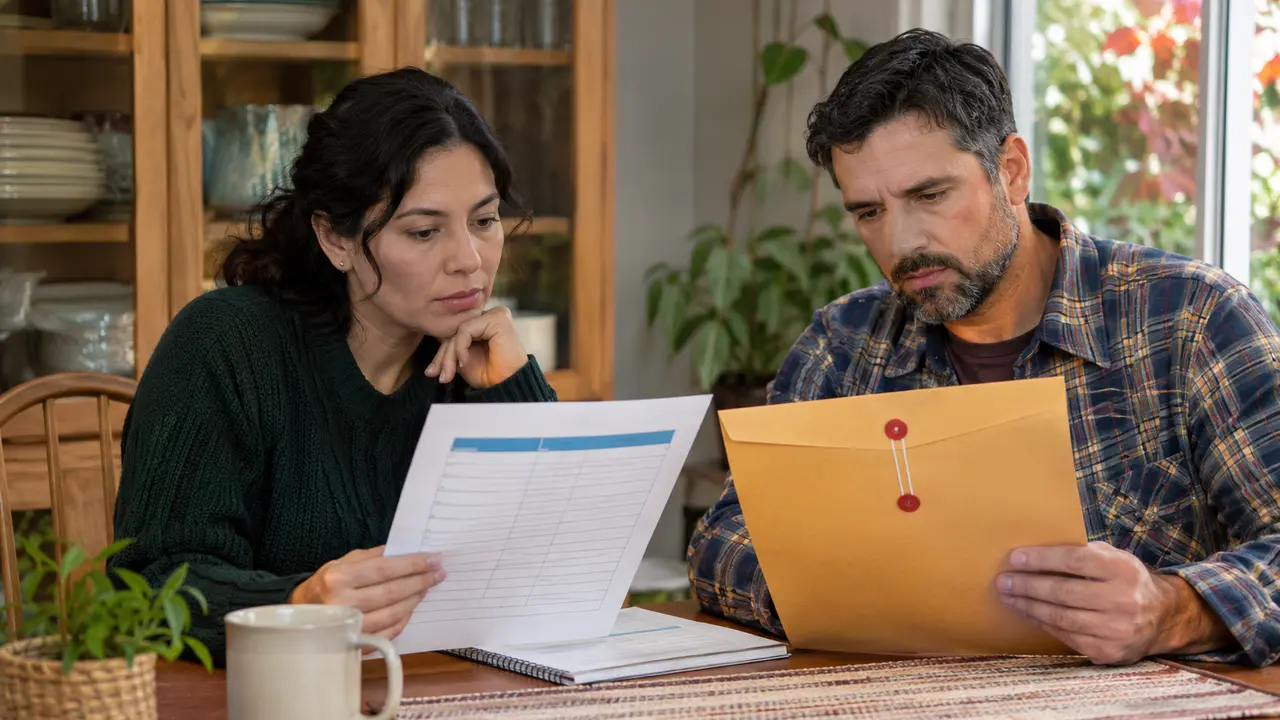
Ask a trusted adult to find one non-sensitive record using the index while you observe. If they cannot find it, improve the label or location. Then try opening one digital backup from a different device. A backup that no one can unlock during an emergency may not solve the problem.
Do not test by sharing passwords or private ID numbers. Choose a harmless contact sheet or a copy of a generic bill. The purpose is to test the route to the information, not to expose sensitive contents.
Set an easy review date
Review your kit twice a year, or each time your insurance, housing or main bank changes. Check contact numbers, policy dates, file access and missing papers. A five-minute refresh can keep the folder useful without turning it into constant admin work.
What to Do If Records Are Lost
Start with safety and essential needs. Then contact the issuing organization through its official channel to replace lost records or report identity concerns. If an account device or identity paper was stolen, ask the provider about locking access and monitoring for misuse. Do not click an unverified message claiming it can replace all your documents at once.
Record whom you called, what they said, and any reference number. Store that note separately from the missing papers. You may need different steps for tax records, property titles, identity cards and medical information. Official local agencies are the right source for replacement rules.
Common Questions
Should I keep original documents in the emergency bag?
Only if it is safe and appropriate for the document. Originals can be hard to replace and may be better in a secure location. Carry a copy or an index when that meets your needs, and check local rules for papers that must be original.
Should a family member know my banking passwords?
Not as a default. Ask your financial providers about lawful emergency access options and use secure account recovery tools. A shared password may break account terms and create safety risks.
What if I have no scanner?
A phone camera can work if the page is flat, well lit and fully visible. Check the image, save it in a protected location, and do not leave copies in a public photo-sharing space.
A useful records kit starts small: one index, a few safe copies, a clear access plan, and a date to review it. It is there to reduce confusion when normal life is disrupted, not to create another stack of paperwork.