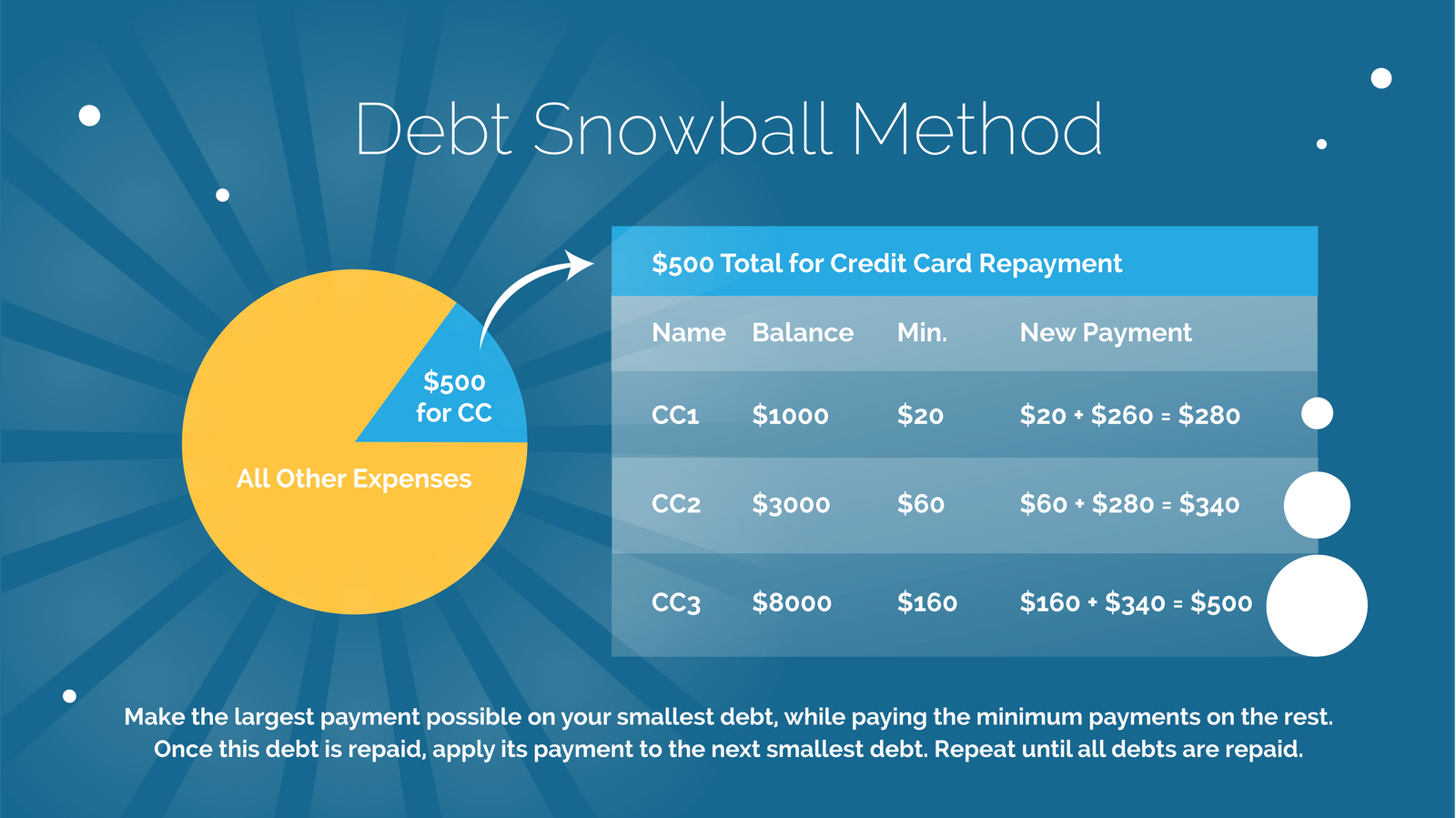
How to Pay Off Credit Card Debt in 2026: Avalanche, Snowball, and Balance Transfers Compared
Credit card debt can feel hard to control because interest keeps adding to the balance while normal living costs keep moving. The solution is not a perfect spreadsheet. You need a repayment plan that fits your cash flow, protects your minimum payments, and sends extra money to the right place.
This 2026 guide compares three common approaches: the debt avalanche, the debt snowball, and a balance transfer. It also shows what to do if you cannot make the minimum payment, how to build a realistic payoff budget, and how to avoid debt-relief offers that can make the problem worse.
The Consumer Financial Protection Bureau updated its consumer guidance in September 2026 and recommends acting quickly if you cannot pay your card bill. That includes reviewing income and expenses, contacting the card company, and considering reputable credit counseling when needed.
Start with the numbers, not the method
Before choosing avalanche or snowball, write down every card. You need five pieces of information:
- Current balance
- Annual percentage rate, or APR
- Minimum payment
- Due date
- Any promotional rate and its end date
Do not estimate. Use your current statements or card apps. A small difference in APR can matter over a long payoff period.
Find your monthly debt-payoff amount
Add your take-home income. Then subtract rent or mortgage, utilities, food, transportation, insurance, minimum debt payments, and other essential costs. The amount left is your potential extra debt payment.
If the number is negative, do not force an aggressive payoff target. Your first job is to stabilize the budget and protect essentials. You may need to cut flexible spending, change due dates, ask issuers about hardship options, or get nonprofit credit counseling.
Method 1: the debt avalanche
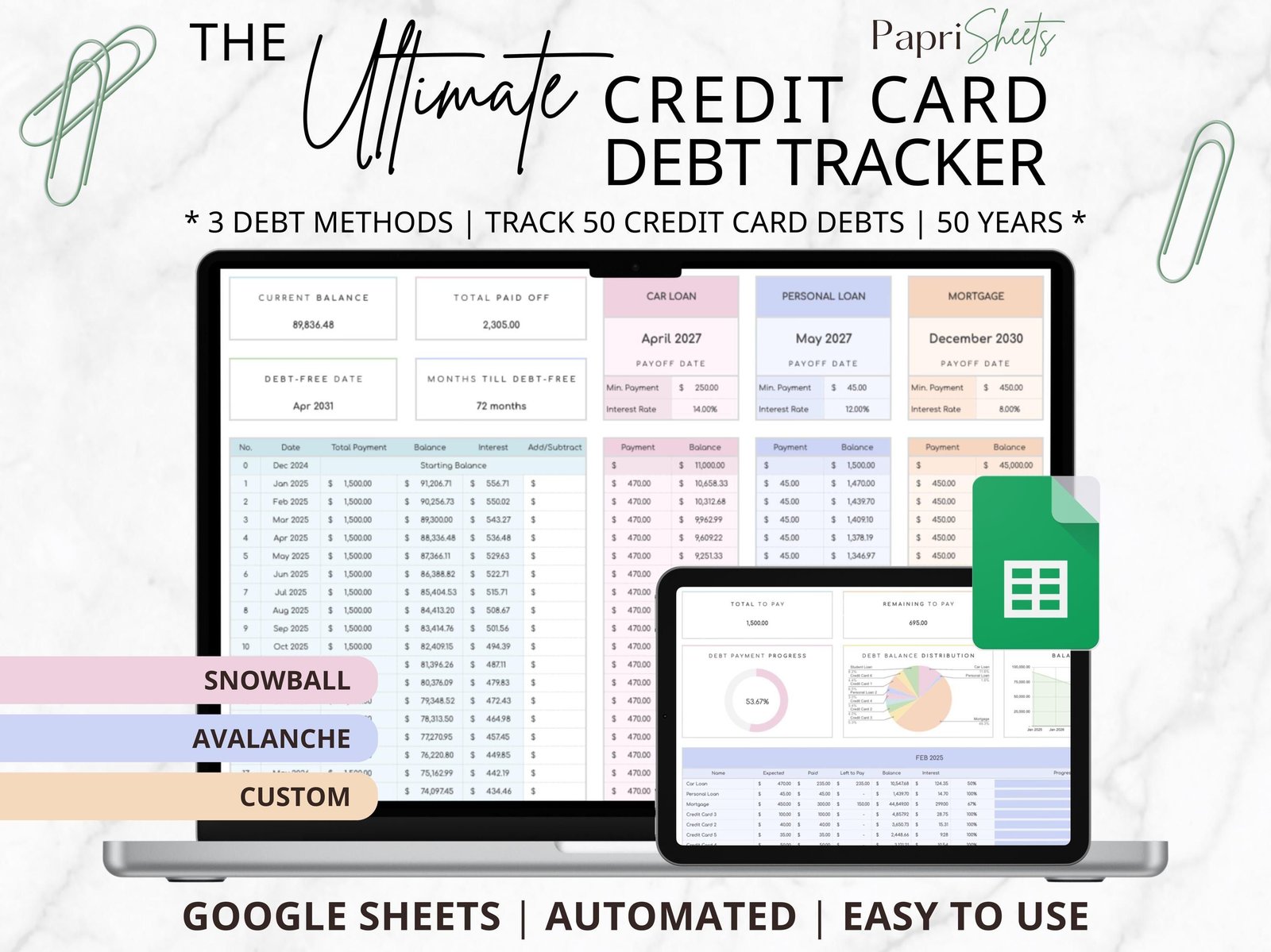
The avalanche method sends extra money to the card with the highest APR while you pay the minimum on every other card. When the highest-rate card is gone, you move that full payment to the next-highest rate.
This method usually saves the most interest because it attacks the most expensive debt first.
A simple avalanche example
Suppose you have three cards:
- Card A: $2,000 balance at 29% APR
- Card B: $800 balance at 21% APR
- Card C: $4,500 balance at 18% APR
You can pay all minimums plus $250 extra each month. With the avalanche method, the extra $250 goes to Card A because it has the highest APR. When Card A is paid off, its old minimum payment plus the $250 extra moves to Card B. Then everything rolls to Card C.
You are not ignoring the other cards. You keep paying every minimum on time.
Who the avalanche method works best for
The avalanche is a strong fit if you stay motivated by saving money and you can keep following a plan even when the first balance takes time to disappear.
It can be less satisfying if your highest-rate card also has the largest balance. You may make progress for months before closing an account balance completely.
Method 2: the debt snowball
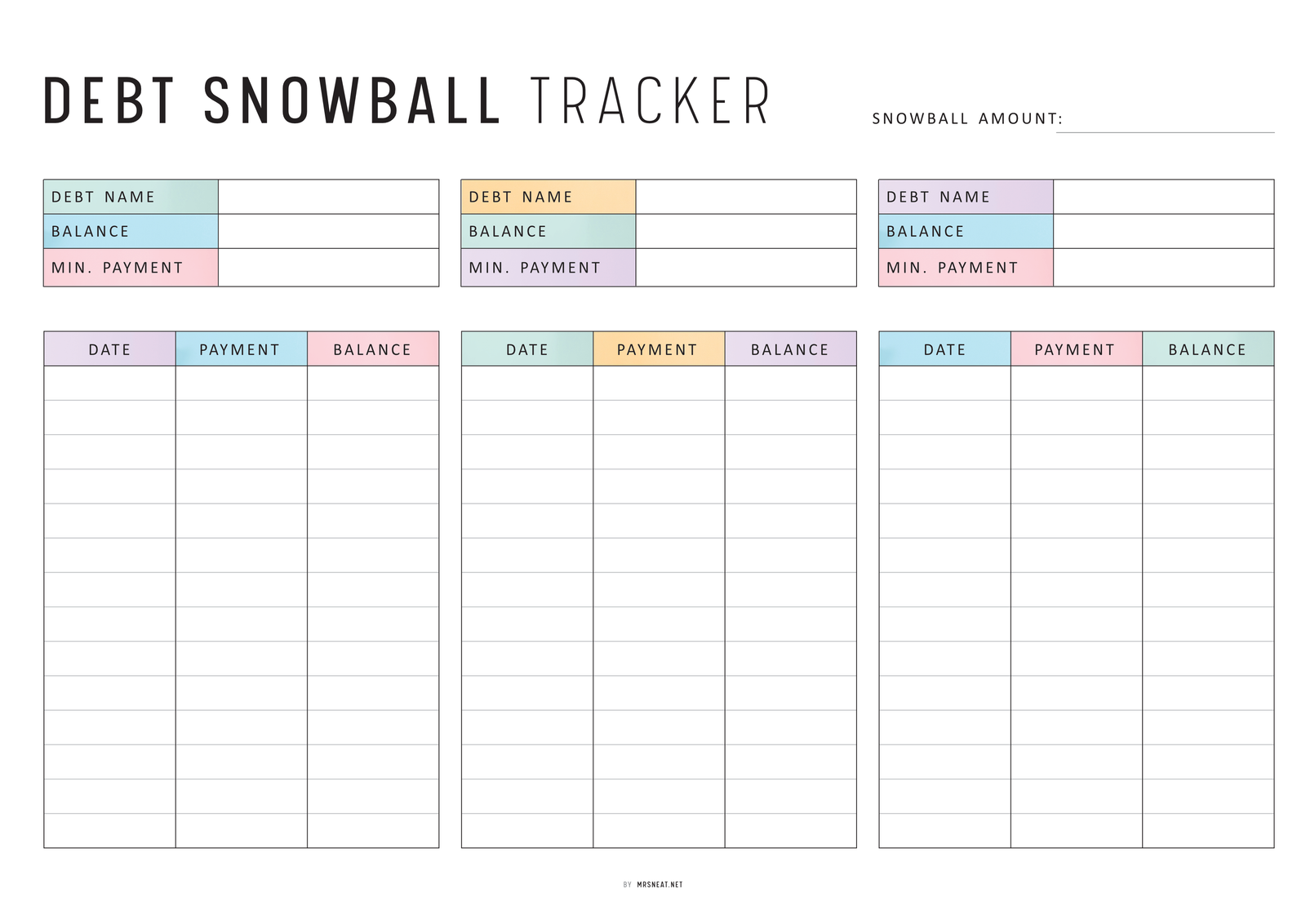
The snowball method sends extra money to the smallest balance, regardless of APR. You continue minimum payments on the other cards. When the smallest debt is paid off, you move that payment to the next-smallest balance.
The CFPB debt reduction guidance explains the trade-off clearly: the smallest-balance approach can create faster visible wins, while the highest-interest approach may save more money.
A snowball example
Using the same three cards, you would start with Card B because its $800 balance is the smallest. Once Card B is gone, you move its payment to Card A. Card C comes last.
This may cost more interest than the avalanche method, but quick wins can help some people stay consistent.
Who the snowball method works best for
Choose snowball if motivation has been your main problem. If seeing a balance hit zero gives you energy to continue, the behavioral benefit may be worth more than a small mathematical advantage.
The best debt strategy is not the one that looks smartest on paper. It is the one you can follow every month without adding new balances.
Method 3: a 0% or low-rate balance transfer
A balance transfer moves debt from one card to another, often with a temporary low or 0% promotional APR. This can reduce interest and speed up repayment, but it is not free money.
The CFPB’s current debt consolidation guidance notes that promotional rates usually last for a limited time and balance transfer fees may apply.
Check the transfer fee first
If you transfer $8,000 and the fee is 3%, the fee adds $240. A 5% fee would add $400. That may still be cheaper than months of high interest, but you should calculate it before moving the balance.
Calculate the required monthly payment
If you move $6,000 to a card with a 15-month 0% period and pay a $180 transfer fee, your starting balance is $6,180. To clear it before the promotion ends, you would need about $412 per month.
If your real budget allows only $220, the transfer may not solve the problem. You could still have a large balance when the normal APR begins.
Avoid new purchases on the transfer card
A promotional balance can create confusion about purchase interest. The CFPB explains that new purchases may accrue interest when you carry a transferred balance. Read the terms and consider keeping the transfer card only for debt repayment.
Avalanche vs snowball vs balance transfer
| Method | Main advantage | Main risk | Best for |
|---|---|---|---|
| Avalanche | Usually minimizes interest | First win may take longer | People motivated by math and total cost |
| Snowball | Creates quick balance wins | May cost more interest | People who need visible progress |
| Balance transfer | Can reduce interest for a set period | Transfer fees and promo deadline | People with good enough credit and a clear payoff budget |
Build a payoff budget that you can actually maintain
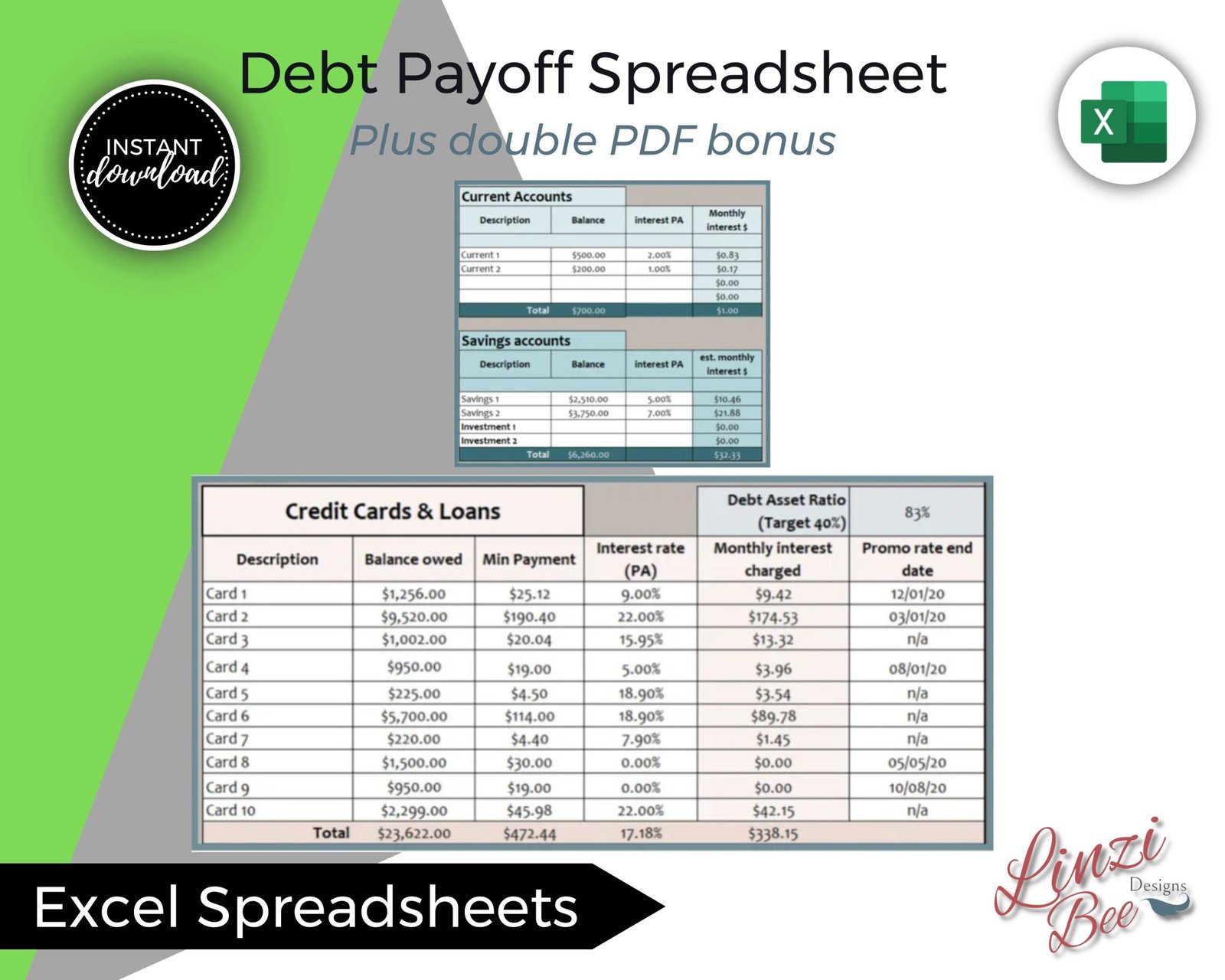
A common mistake is setting a payment target that leaves no room for real life. Then one car repair or medical bill goes back on the credit card.
Build a small buffer into your monthly plan. You may pay debt slightly slower, but you reduce the chance of adding new debt.
Separate fixed and flexible spending
Fixed costs include rent, insurance, loan minimums, and many subscriptions. Flexible costs include dining out, entertainment, convenience shopping, and some grocery choices.
Start with flexible costs because they are easier to change quickly. Then review fixed bills one by one. You may be able to shop insurance, cancel unused services, change mobile plans, or renegotiate internet service.
Use a weekly spending limit
A monthly budget can feel too abstract. Turn your flexible spending into a weekly amount.
If you have $600 per month for groceries, fuel, dining, and personal spending, a rough weekly target is about $138 when you divide by 4.33. Track it each week. This gives you time to correct overspending before the month ends.
What if you cannot make the minimum payment?
Do not wait until several payments are missed. Contact the card issuer as soon as you know there is a problem.
Explain why you cannot make the normal payment, how much you can afford, and when you expect the problem to improve. Ask whether the company has hardship programs, lower temporary payments, fee relief, or a different due date.
According to the CFPB, many card companies may be willing to work with customers facing a financial emergency.
Do not skip food, housing, or medicine to protect an unsecured card
Credit card debt matters, but essential needs come first. If your budget is in crisis, protect housing, utilities, food, transportation needed for work, insurance, and necessary medical care.
Then speak with the issuer and consider a nonprofit credit counselor.
When credit counseling can help
A reputable credit counseling organization can help you review your budget and may discuss a debt management plan. This is different from a debt settlement company.
Ask how the organization is funded, what fees it charges, which creditors participate, and how the plan affects your monthly payments. Do not sign anything you do not understand.
Be careful with debt settlement promises
Debt settlement ads often promise large reductions. The risk is that some programs tell customers to stop paying creditors while money builds in a separate account. During that time, interest and late charges may continue, collection activity may increase, and credit damage may grow.
The CFPB warns consumers to be cautious with companies that guarantee debt will disappear, charge improper upfront fees, or tell people to stop communicating with creditors.
Real-world example: choosing between avalanche and a transfer
Jordan has $9,200 across two cards. One card has $5,500 at 28% APR. The other has $3,700 at 20% APR. He can pay $600 per month total.
He receives an offer for a 0% balance transfer for 15 months with a 4% transfer fee. Moving the full $5,500 high-rate balance would add $220, creating a $5,720 transferred balance.
Jordan first checks whether he can clear the transferred balance before the promotion ends. $5,720 divided by 15 is about $381 per month. That leaves about $219 for the other card, which may be close to its required minimum plus a little extra.
If the numbers work and he stops adding new purchases, the transfer could lower interest. If he cannot commit to the payment, the avalanche method may be simpler and safer.
How to speed up payoff without making the plan fragile
Send windfalls to the target card
Tax refunds, bonuses, gifts, or side-income payments can shorten the payoff period. Decide your rule before the money arrives. For example, send 70% of windfalls to debt and keep 30% for savings or planned expenses.
Pay earlier when possible
Many card issuers calculate interest using an average daily balance. The CFPB explains that interest can accrue daily. Paying part of your balance earlier in the cycle can reduce the balance on which interest is calculated.
Stop using the target card
If you keep adding purchases to the same card you are paying down, progress becomes hard to see. Remove it from saved online checkouts and mobile wallets if that helps you change the habit.
Keep a small emergency buffer while paying debt
Some people put every spare dollar toward debt and keep almost nothing in savings. That can backfire when a small emergency appears.
A starter buffer of a few hundred dollars or another amount that covers your most likely surprise expense can reduce the need to swipe the card again. The right amount depends on your household and job stability.
Common mistakes that slow debt payoff
Paying extra randomly
Choose one target card. Random extra payments make it harder to build momentum.
Ignoring promotional deadlines
Put the end date on your calendar months in advance. Do not wait until the last statement.
Closing every paid-off card immediately
Closing an account may affect available credit and credit history. Decide based on fees, spending behavior, and your broader credit profile rather than emotion.
Using home equity without understanding the risk
Moving unsecured credit card debt into debt secured by your home can create serious consequences if payments fail. Compare total costs and risks before using home equity for consolidation.
A simple 90-day debt action plan
Week 1
List balances, APRs, minimum payments, and due dates. Stop new discretionary card spending. Set automatic minimum payments if your cash flow can support them.
Weeks 2–4
Choose avalanche or snowball. If considering a balance transfer, calculate the fee and the monthly amount needed before the promotion expires.
Month 2
Review flexible spending. Send any saved amount to the target card. Build or protect a small emergency buffer.
Month 3
Compare your current target balance with the starting balance. If progress is too slow, adjust spending, add income where realistic, or ask creditors about hardship options.
Quick answers
Which debt method saves the most money?
The avalanche method usually saves more interest because it targets the highest APR first.
Is the snowball method wrong?
No. It can be effective if quick wins help you stay consistent.
Is a 0% balance transfer always a good idea?
No. Check the transfer fee, promotional period, post-promo APR, and whether your budget can clear the balance in time.
Should I stop saving while paying debt?
Not always. A small emergency buffer can prevent new credit card charges. Balance debt payoff with basic financial stability.
Conclusion: choose the plan you can repeat
Paying off credit card debt is a process, not a one-time decision. Start with accurate balances and APRs. Protect every minimum payment. Choose one target. Use the avalanche method if interest savings motivate you. Use snowball if fast wins help you stay consistent. Consider a balance transfer only after calculating the fee and required payoff pace.
If you cannot make minimum payments, contact the issuer early. Avoid promises that sound too easy. A steady plan that reduces the balance every month is more useful than a dramatic strategy you cannot maintain.
This article provides general educational information. It is not personalized financial, legal, tax, or credit advice.