
Plan a Family Celebration Without Debt: A Simple Budget for Food, Guests and Gifts
A birthday, wedding event, festival meal or family reunion can be joyful without a large bill. The trouble often starts with small extras: more guests, another decoration order, last-minute transport and gifts that were never in the plan. A clear limit helps you enjoy the day instead of worrying about the next statement.
This guide is for celebrations in any country or culture. Traditions and expectations differ, so keep what matters to your family and change what does not. The goal is to build a realistic event budget, avoid debt and spend on moments people will remember.
Choose the Purpose Before the Price
Ask what the event is meant to feel like. Is it a quiet meal with close relatives, a larger community gathering or a celebration for children? Make a short list of what matters most: a shared meal, music, time together, a ceremony or a particular tradition.
When the purpose is clear, it becomes easier to cut extras. You may prefer good food over expensive decorations, or a welcoming place over a complicated menu. There is no universal right choice. Pick two or three priorities and let the rest fit around them.
Set a spending limit you can pay
Look at income and essential bills first. Use money already saved or an amount you can set aside before the event. Do not build the plan around a credit limit. The Consumer Financial Protection Bureau advises planning for gifts, travel, parties and other seasonal costs to avoid surprise debt.
Suppose you can safely use 500 units of local currency. Treat that as the full event budget, including transport, service charges and small surprises. If your first plan costs 650, reduce the plan before buying anything.
Build the Budget by Category
Write one line each for venue, food and drink, invitations, decoration, clothes, travel, gifts, entertainment and cleanup. Some events need only three of these. Leave a small reserve for the item you forgot. Do not use the reserve as permission to overspend.
For a 500-unit example, you might allocate 220 to food, 80 to space and supplies, 60 to travel, 50 to decorations or activities, and 90 to a reserve and other costs. These are sample figures, not recommended proportions. Adjust to local prices and your priorities.
Include hidden costs
A low venue price may not include tables, cleaning or a deposit. A food quote may exclude delivery or service. A dress or outfit may need alterations. Ask for a full written cost before paying. Keep any refund and cancellation terms with the receipt.

Keep the Guest List Realistic
Guest numbers often control food, space and transport costs. Start with people who are central to the event. If you add guests, update the budget before sending invitations. A large list chosen out of fear of offending others can make the day less comfortable for everyone.
Use a simple count
Plan for confirmed adults, children and any dietary needs. If food is served, ask for replies by a clear date. Do not count every invite as a confirmed guest, but do not ignore possible arrivals either. Local customs matter; use your family’s experience to set a sensible allowance.
For an informal gathering, a smaller event on a different day may work for friends who cannot attend the main celebration. This can preserve relationships without forcing everyone into one costly space.
Make Food a Strong Point Without Waste
Choose a menu with a few dishes that travel and hold well. It is often easier to prepare enough of several favorites than a long menu with many small items. Check food safety and storage needs, especially in warm weather. A buffet may work well for a flexible group, but it still needs a serving plan.
Compare cooking at home, a shared meal where guests voluntarily bring something, and a caterer. Home cooking is not always cheaper if it requires extra equipment, time or transport. Include those costs. Never pressure guests to contribute food or money unexpectedly.
Set a serving plan
Use confirmed guest numbers, realistic portions and the type of meal. Keep safe containers for leftovers and plan who can take them home. Do not prepare perishable food too far ahead without proper storage. Reducing waste is part of saving money.
If someone offers to help cook, agree on a specific task and budget. ‘Bring a dessert for 10 people’ is clearer than a vague promise to ‘help with food’.

Reuse Decoration and Borrow Supplies
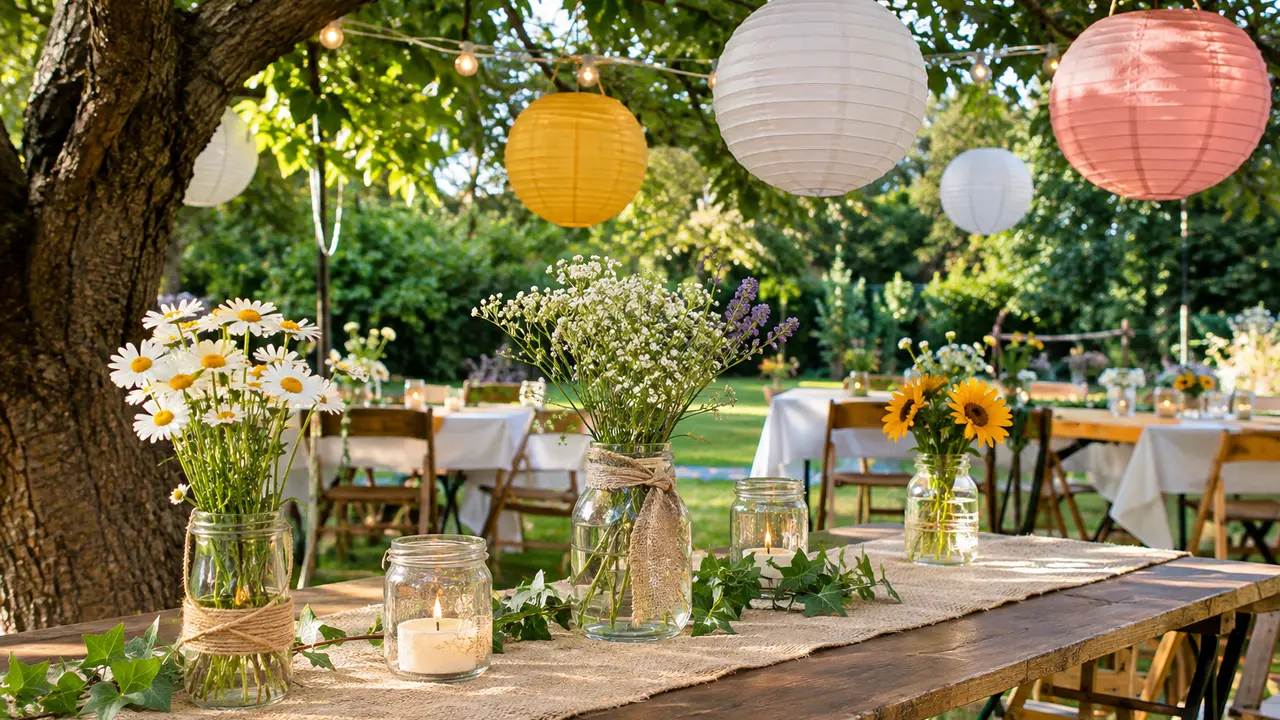
Before shopping, check what is already in the home. Clean jars, fabric, plants, lights and simple paper decorations may create a warm setting. Borrow chairs or serving dishes from someone who offers them. Return borrowed items clean and in good condition.
Avoid buying cheap single-use items that break before the event ends. A reusable decoration may cost more today but serve several gatherings. If it will be stored for years without use, it may not be a saving.
Let one feature stand out
Choose one area for photos or the main table, then keep the rest simple. More decorations can make a room feel busy rather than special. Good light, clean tables and comfortable seating often matter more.
Give Gifts Without Creating Pressure
A thoughtful gift does not have to match someone else’s spending. Set a per-person limit before shopping and compare a few options. Handmade items, a shared experience or practical help may be more meaningful than an expensive product.
The CFPB’s spending-plan guidance suggests considering lower-cost ways to give and making a clear plan if using credit. An event is not a reason to take on interest you cannot comfortably repay.
Talk openly when needed
Families can agree on no gifts, gifts only for children, a small shared exchange or a fixed budget. State the rule kindly and early. Avoid surprising guests with a cost they did not expect.
Book Vendors With Clear Terms
If you need a photographer, venue, decorator or transport service, request written details. Check what is included, when payments are due, how changes are handled and whether a deposit is refundable. Avoid sending the full payment to an unverified provider.
Keep receipts and confirmation messages together. If the event is outside your home country, review currency conversion and local payment rules. Do not assume that a low online price covers taxes or delivery.
Have a weather backup
For an outdoor event, decide what happens if weather changes. A simple indoor space or date plan can be cheaper than a last-minute emergency booking. Choose a solution that matches local conditions.

Track Spending While You Plan
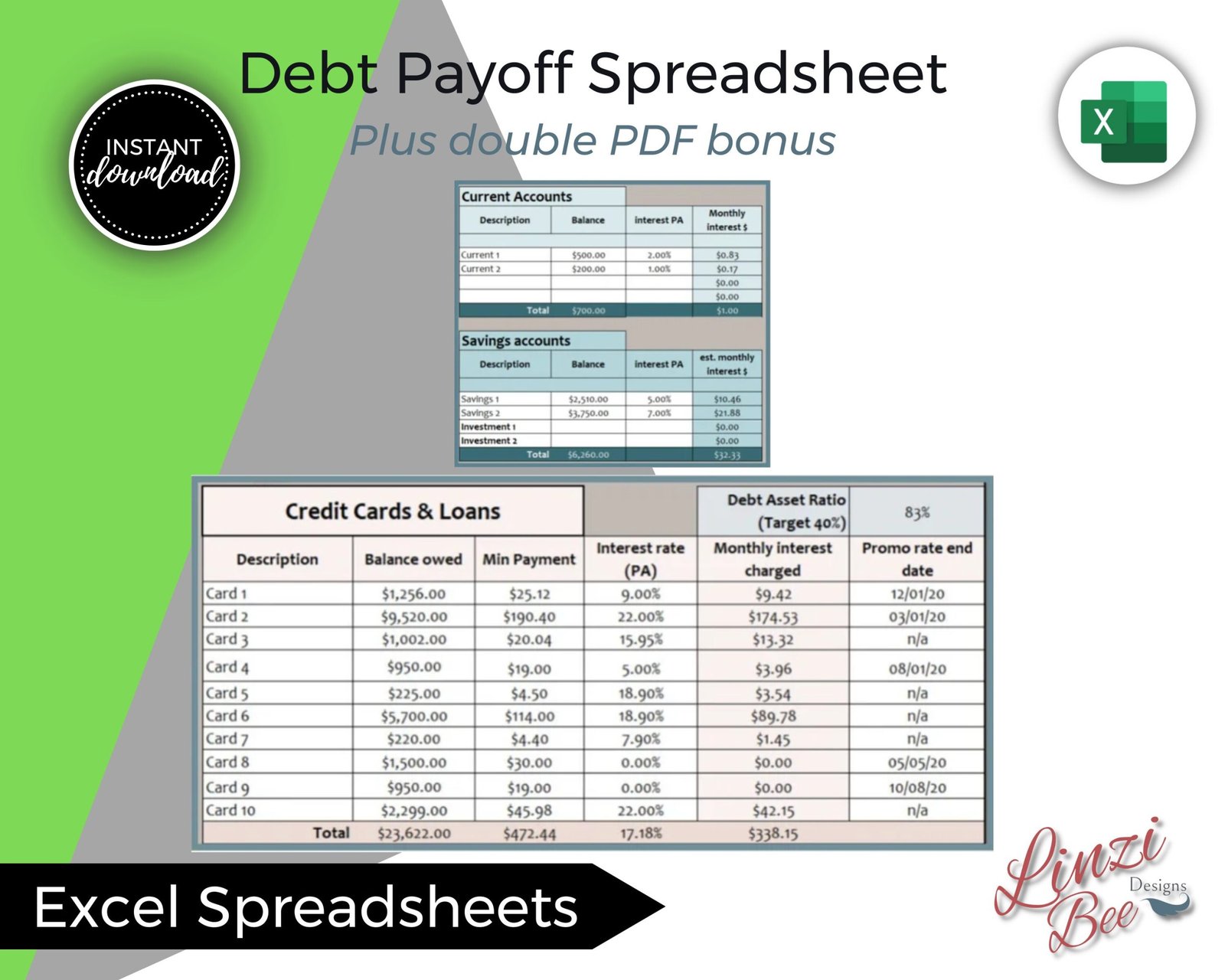
Use a notebook or spreadsheet with three columns: planned, committed and paid. A committed amount is money you have agreed to spend even if it has not left your account. This is the number people often forget.
After each booking or purchase, update the remaining balance. If a category goes over budget, reduce another category rather than borrowing. Small changes are easier when made early.
A real-life style example
You planned 80 for decoration but found safe supplies at home and spent only 25. Move the remaining 55 to food or the reserve, if needed. You do not have to spend every saved unit. Keeping money after the event is also a good result.
An Easy Four-Week Timeline
Four weeks out, set the total and guest list. Three weeks out, decide venue and food and get quotes. Two weeks out, confirm helpers and supplies. In the final week, buy perishables at the right time, check transport and prepare a short schedule for the day.
- Choose the event’s top priorities
- Set a cash-backed total limit
- Count guests and dietary needs
- Price food, place, travel and supplies
- Check deposits and cancellation rules
- Track committed and paid amounts
- Keep a small reserve and a cleanup plan
For a small home event, the same steps may fit into a weekend. The point is to decide before buying, not to create a complicated project.
Common Questions
Is it okay to use a credit card for an event?
Only if it fits your own plan and you can repay under the card’s terms. Avoid using credit to make the event larger than you can afford.
How can I say no to extra guests?
Explain that the space and budget are limited. Offer another way to connect if possible. A respectful boundary is better than a bill that creates stress later.
What should I cut first when costs rise?
Protect the main purpose, essential food and safety. Review decorations, extra services, impulse gifts and unused supplies before making the event uncomfortable.
A successful celebration is one that fits your people and your means. Choose the moments that matter, track costs early and let the day end without a new debt.


One Comment