Buy Now, Pay Later: Check the Full Cost Before You Tap
In short: Buy now, pay later can split one bill into parts. The full cost does not go away. Check each due date before you tap Pay. Know how a late fee works. Keep enough cash for rent, food, and key bills. If you cannot pay all parts on time, pause the buy.
A small payment on a checkout page can look easy to manage. But four small payments are still one full price. Before you choose buy now, pay later, check the total, each due date, any fees, and what happens if your pay arrives late. This guide helps you make that call with real numbers.
What buy now, pay later means
Buy now, pay later, or BNPL, lets you take an item home now and pay in set parts. Some plans split the price into four payments. Other plans last much longer. The rules can change by brand, place, and type of plan. Some charge no interest when you pay on time. Some add fees or interest. Never guess from the words pay later alone.
The Consumer Financial Protection Bureau explains that many common plans use four or fewer payments, though longer loans also exist. This is useful context, not a rule for every country. Read the terms shown to you before you agree.
Start with the full price, not the first payment
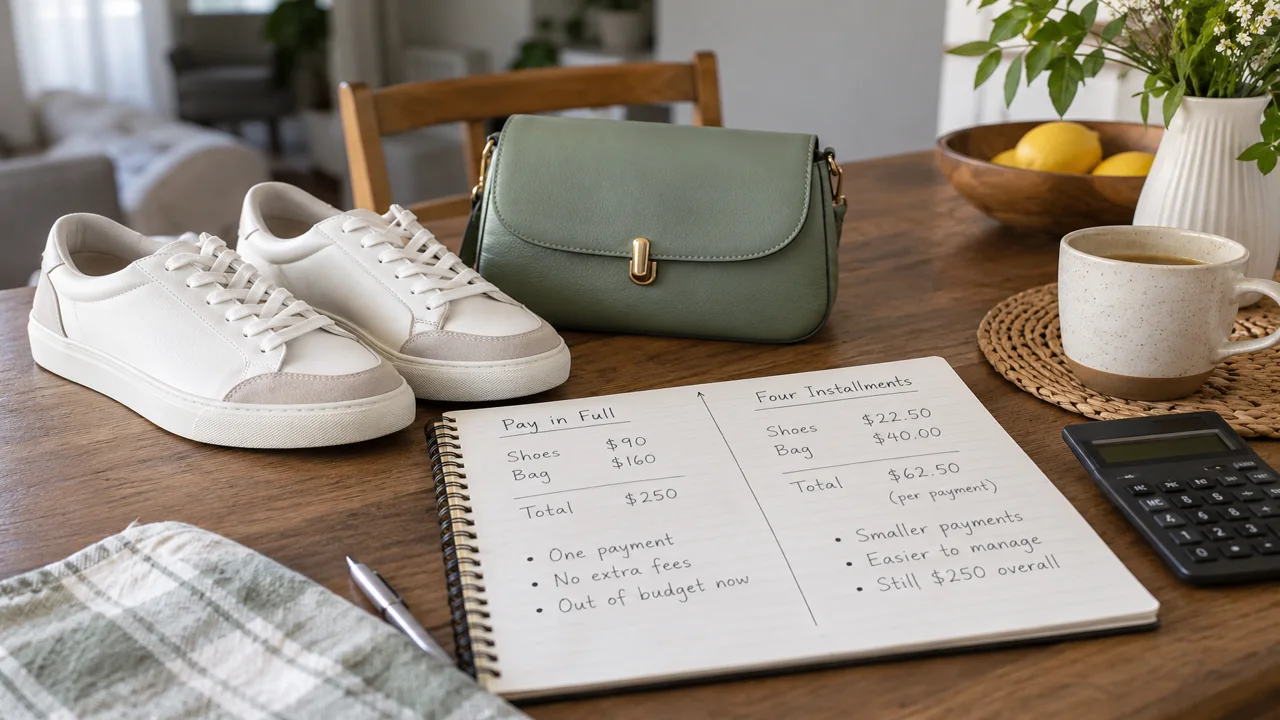
Say a pair of shoes costs 120 units of your local money. A four-part plan might show 30 today. You still owe 120 in all if no extra charges apply. The first 30 is not a discount. Ask yourself one plain question: Would I buy this item today if the shop asked for the full 120 at once? If the answer is no, stop and check why.
A good test is to put the full price beside your rent, food, travel, and other needs. If there is no room for it, the plan may only move the strain into next month. A small first bill can hide a large load when several plans run at the same time.
The two-minute price check
Write down the item price, the first sum due, the rest of the dates, and any extra cost. Add all parts. The total should make sense. If a plan has a fee for using a card, a late fee, or interest after a set date, note that too. The exact rules matter more than a bright label on the checkout button.

Map every due date onto your real cash flow
A due date is only safe if you have the cash that day. Do not use the day you hope to get paid. Use the day funds tend to reach your bank. If you work shifts or get paid late at times, leave room for a delay. Put all BNPL dates on one calendar, along with rent, bills, and debt dues.
For example, you may have 200 left after fixed bills. One plan asks for 40 next week. Another needs 35 the week after. A third has 60 due near rent day. Those three plans now claim 135 of the 200. That leaves only 65 for any surprise. A cheap new item can then become a problem.
This is why a payment calendar beats a quick guess. A plan can fit your total month but still fail on a day when two bills land together. Check your bank balance before you agree, and leave a cash gap for food, travel, and urgent needs.

Check fees, interest, and missed-payment terms
Some BNPL plans charge no fee when all payments arrive on time. Others may charge late fees, account fees, or interest. Fees may also come from your bank if a linked payment fails. Read the plan’s fee page and the screen that shows the full amount due. Save a copy of those terms.
The CFPB has consumer guidance on BNPL fees. Its details cover the US market. Elsewhere, check local rules and your own contract. Do not assume a plan in one country has the same fee cap or refund rights as a plan in another.
Do not rely on the idea that you can simply pay late and catch up next time. A missed payment may lead to a fee, a block on new plans, a debt collection step, or harm to credit records where such reports apply. The CFPB’s credit reporting guidance explains why reporting can differ by lender.
Compare paying in full with paying in parts
Paying in full uses more cash now, but leaves no new due dates. BNPL may help spread a planned cost over a short span. Neither path is best in all cases. If you have enough cash to buy the item and keep your safety fund intact, paying in full may be the simpler choice. If cash is tight, ask whether waiting is safer.
Think of a needed laptop for work. If you can pay the full price without missing rent or draining your cash buffer, the choice is clear to map. If the laptop is urgent and helps you earn, a short payment plan might be worth a close look. But a new game or spare pair of shoes is not the same kind of need. Put the use of the item into the choice.
Do not stack plans across many apps
One plan can seem small. Four plans can be hard to track. Each app may show only its own bills. Your bank sees the cash leave, but it may not tell you how much you still owe across all plans. Keep one list outside the apps. Add the total sum left, next date, and final date for each plan.
Make a rule that fits your life. For instance, do not start a new plan until the old one ends. Or set a firm cap on the sum you can owe at one time. A cap should come from spare cash after must-pay bills, not from a lender’s stated limit. A high limit is not proof that a plan is safe for your budget.
A quick weekly check
Pick one day each week to check the next 14 days of bills. Look for dates that land on the same day. Check the card or account linked to each plan. If a payment will fail, contact the firm early through its real app or site. Do not wait for a reminder from an unknown text link.
Know how returns and refunds work
A refund can take time. The shop may need to confirm the return before the loan is changed. Your BNPL bill may still be due while the shop checks the item. Read the return terms and ask the firm what to do with a payment due during a dispute. Do not stop a payment just because you sent a parcel back.
Keep the order email, loan terms, return proof, tracking number, and chat record. If you have an issue, contact the shop and lender by their official routes. In some places you can take a dispute to a local ombudsman or consumer body. The right path depends on local law and the type of credit you used.
Protect your account and payment details
Use a strong, new password for your BNPL app. Turn on a second login step if it offers one. Never share a one-time code with a caller. Do not follow a message that says your loan is overdue unless you can check it in the app you opened yourself. A real bill should also show in your account.
Check which card is saved in the app. Remove cards you no longer use if the service lets you. Review your bank records for new charges. If a payment looks wrong, contact the card firm and the BNPL firm at once. Keep proof of what you saw, but do not post account details in a public chat.

When a BNPL plan may make sense
A short plan may help when a needed purchase is planned, the full cost is clear, there are no surprise fees, and each date fits cash you expect with care. It may also help when paying in full would leave too little cash for a short spell. Even then, compare the plan with saving for a few more weeks or buying a lower-cost item.
It is a poor fit when you use it to buy things you would not buy at the full price, when bills already run late, or when you must start a new plan to pay an old one. That is a warning sign. Pause, list what you owe, and make a payment plan for the debt you have before you add more.
A short checklist before checkout
- I know the full item price and total due.
- I have read the late fee and interest terms.
- I know every due date.
- I can pay each part after rent, food, and other needs.
- I have checked all other active plans.
- I know what happens if I return the item.
- I have saved the terms and order proof.
You do not need a perfect spreadsheet to make a sound choice. A note with seven facts can stop a costly slip. If any fact is missing, leave the checkout page and find it. The goal is to buy what you need on terms you can meet, not to make the first payment look small.
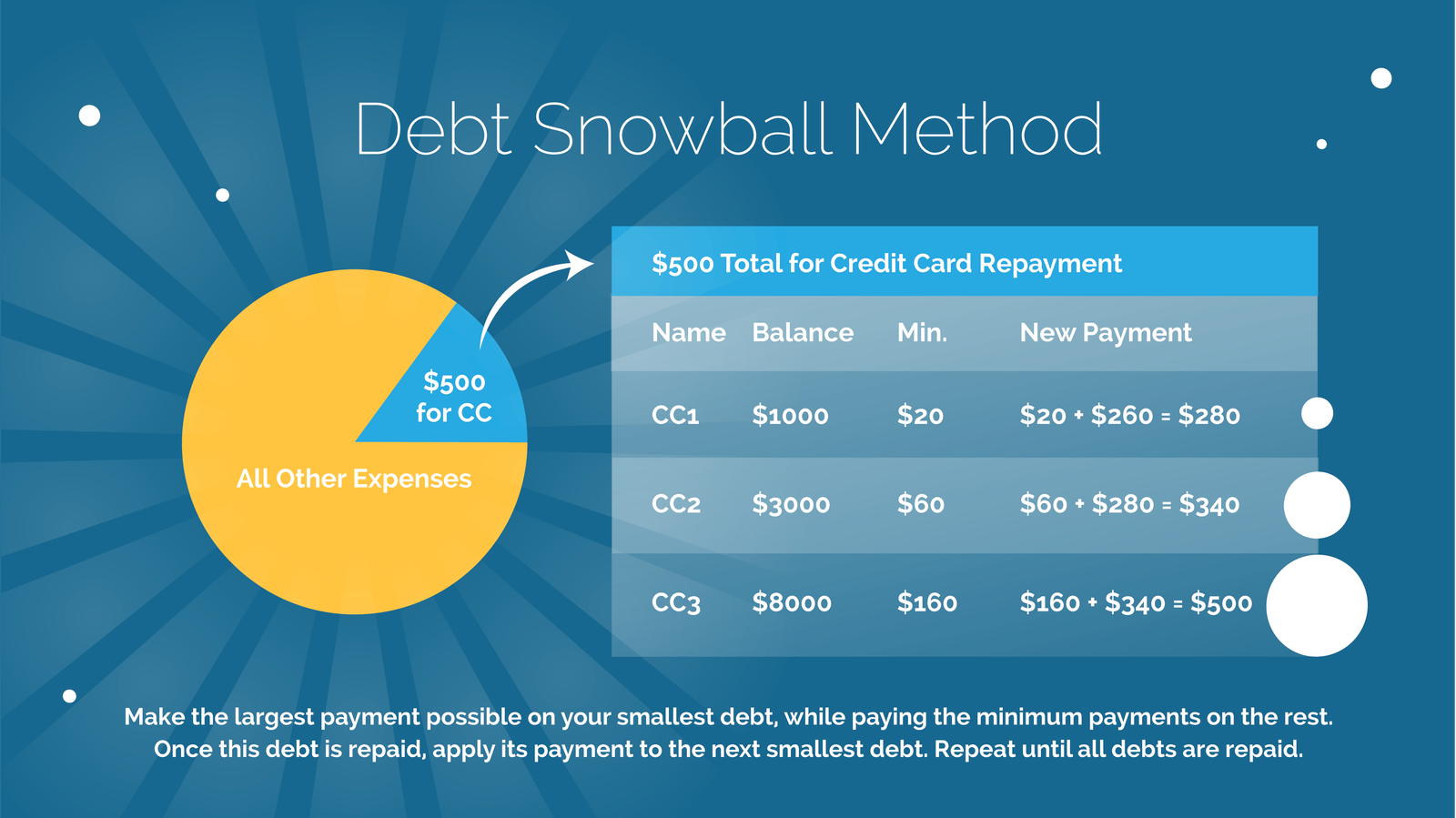
If the payments are already straining your budget, our guide to paying off credit card debt explains how to compare payoff methods and avoid adding new costs.
The bottom line
Buy now, pay later is a way to time payments. It does not make the item cost less. A safe choice starts with the full price, a clear fee check, and a plan for each due date. When those facts do not fit your cash flow, waiting is a real option. That choice can protect both your money and your peace of mind.