
How to Lower Your Water Bill: Find Home Leaks and Save Water Without Guesswork
A higher water bill does not always mean your family used more water on purpose. A slow toilet leak, an outdoor tap that drips, or a change in how the utility reads your meter can make the bill rise. Before buying new fixtures, find out what changed. A small check may solve the problem faster than a long list of water-saving habits.
This guide works as a starting point for homes in many countries. Water prices, meter units, utility rules and local drought advice vary. Start with your own bill and follow safe plumbing guidance. The goal is to find waste, decide what you can fix, and keep a simple record so the savings are real.
Start With the Bill, Not a Guess
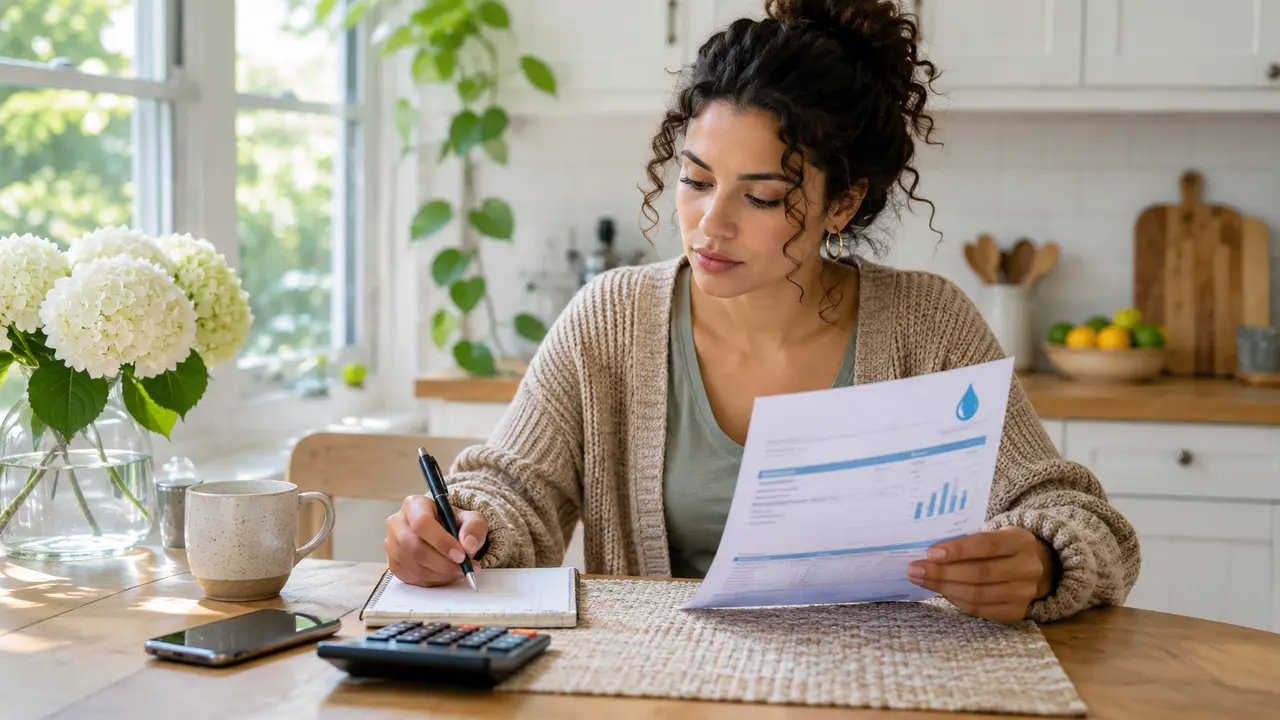
Put your latest water bill next to a bill from a similar season last year. Compare the usage amount, the number of days billed, and the rate charged. A higher total may come from more water, a higher price, a longer billing period, or a combination. If you compare only the final amount, you may blame the wrong cause.
Look for units such as cubic metres, litres, gallons or another local measure. If your provider includes sewer or wastewater charges, check how those are calculated. Also note whether the bill used an actual meter reading or an estimate. An estimated bill can later be corrected and create a sudden change.
Make a fair comparison
Suppose one bill covers 31 days and another 28. Divide the billed water use by the number of days, then compare daily use. If a 31-day bill shows 12.4 cubic metres, the average is 0.4 cubic metres a day. That is 400 litres per day for the whole household, not per person. The calculation is an example, not a normal-use target.
If your use stayed steady but the price rose, ask the utility to explain the tariff. If usage jumped and habits did not change, make a leak check your next step.
Check the Meter When All Water Is Off
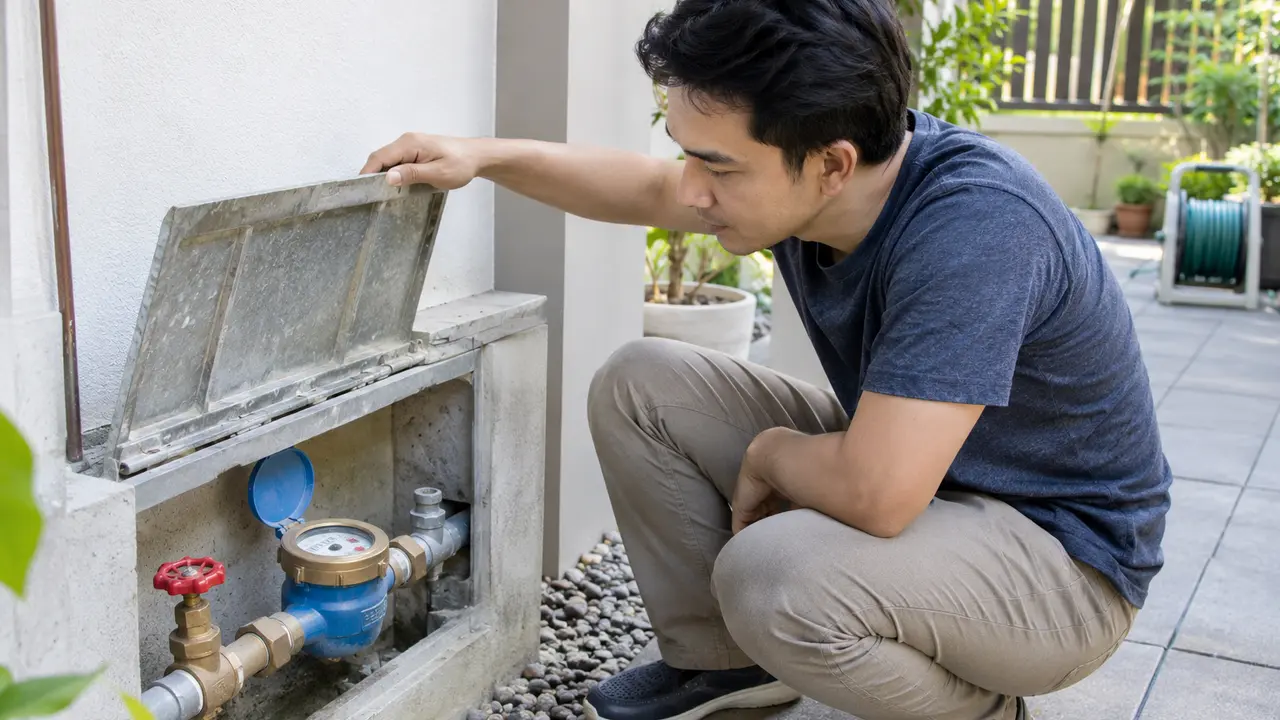
Turn off taps, showers, washing machines and other water-using devices. Ask household members not to use water during the check. If the home has a private tank, pump or automatic water system, learn how it works first. Do not adjust unfamiliar equipment or shut off water needed for safety.
Read or photograph the meter. Wait for a set period when no water should be used, then read it again. The US Environmental Protection Agency’s WaterSense program suggests checking a meter before and after a two-hour no-use period as one way to look for leaks. If the numbers move, investigate further.
What the movement means
A moving meter while all taps are off can point to a leak or an appliance that uses water without you noticing. It is not proof of the exact location. Some systems refill tanks or run cycles on their own. Check those before concluding that a pipe is broken.
If you live in an apartment block with a shared meter, ask the property manager or utility how to check your unit. Do not open sealed meters or tamper with utility equipment. Take a photo of the reading and note the time instead.
Test the Toilet for a Silent Leak
A toilet may leak from its tank into the bowl without an obvious puddle. Listen for refilling sounds when no one has flushed. Check whether water keeps moving inside the tank. If it is safe to lift the lid, look for worn parts or a water level that stays too high.
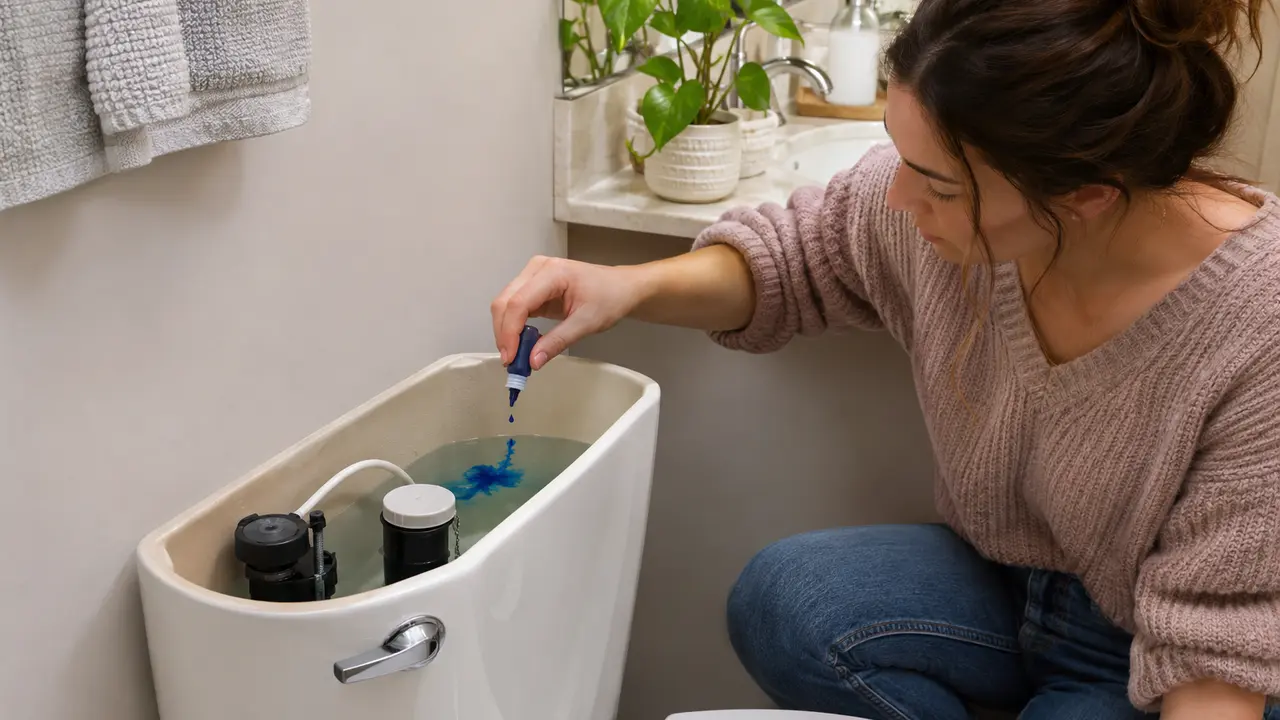
WaterSense recommends a simple dye check in suitable toilets: put a small amount of food coloring in the tank, wait without flushing, and see whether color appears in the bowl. Follow the fixture’s instructions and avoid products that could stain. This test can help reveal a faulty seal or flapper.
Choose the right repair
Some toilets need a small replacement seal. Others need a plumber because the valve, tank or water pressure needs more work. Turn off the correct supply before a repair and do not force brittle fittings. If you rent, report the leak with photos and ask the property manager who is responsible.
A repair is only complete when the toilet no longer refills on its own and the meter test looks normal. Check it again the next day. A part that seemed fixed during one flush may still leak slowly.
Find Drips at Taps, Pipes and Outdoor Areas
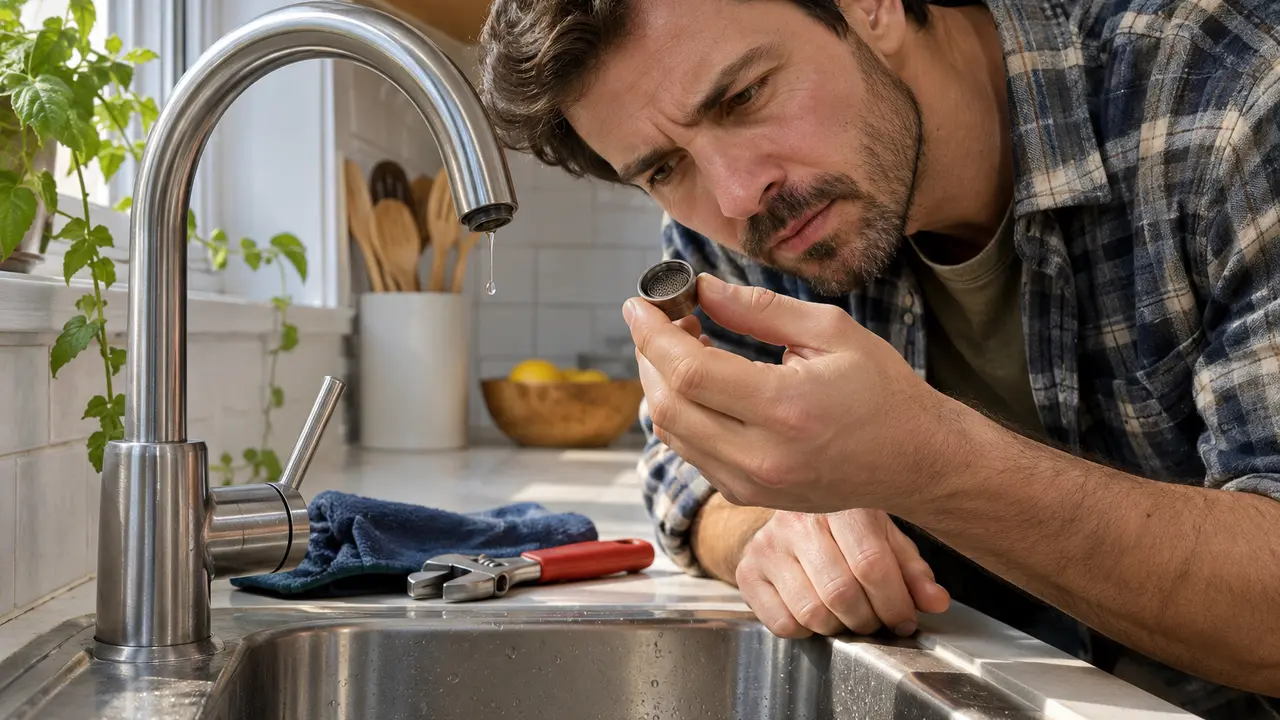
Walk through the kitchen, bathrooms and laundry area. Run a finger under visible pipe joints to check for moisture, then dry the area and look again. Check the base of taps, hoses, outdoor connections and garden watering systems. Look for damp patches, rust marks or mold-like growth.
A small drip can look harmless, but constant water loss adds up. The EPA’s WaterSense statistics estimate that an average US family can waste about 9,400 gallons a year from household leaks. That is a US estimate, not a universal number or a forecast for your home. Your own meter readings are the better measure.
Do not turn a small fix into water damage
If a valve is stiff, a pipe is corroded, or a fitting is near an electrical outlet, stop and use a qualified professional. A small service call may cost less than a burst joint and damaged floor. If you see a sudden large leak, use the safe main shutoff if you know it and contact emergency plumbing help.
For an outdoor leak, note whether the ground stays wet on dry days. Check irrigation timers and hoses. Some automatic systems water at night, so a daytime walk may miss the cause. Review schedules before buying new equipment.
Use the Biggest Water-Saving Habits First
Once leaks are under control, look at habits that use a lot of water. Shorter showers, full laundry loads where the machine recommends them, and sensible outdoor watering can help. The best change is one you can keep doing without making daily life harder.
Do not assume every family needs the same target. A household with several people, young children, or a garden may use more than a small apartment. Climate and water supply matter too. Compare your own use over time, and check local utility advice for restrictions or efficient fixtures.
Shower and tap changes
If a shower runs far longer than anyone needs, try a shorter routine and compare the next meter reading. Fix a dripping tap before replacing it with an expensive smart unit. Where locally available, an efficient showerhead or tap aerator may reduce flow while keeping reasonable comfort.
Laundry and dishes
Follow the appliance manual. Some machines use less water when run with a suitable full load, while overloading can lead to poor cleaning and repeat cycles. Scrape dishes before washing instead of leaving a tap running. If you use a dishwasher, compare the manufacturer’s eco cycle with your usual routine.
Outdoor watering
Water when plants need it, not just because a timer is set. Mulch and plants suited to the local climate may reduce repeated watering. Follow drought or conservation rules from the local authority, especially where water is scarce. Avoid washing paved areas with a running hose when a brush will do.
Decide Whether an Upgrade Will Pay Back
New taps, toilets and showerheads cost money. Before buying, estimate how much water the product could save in your own home and what each unit costs. A product that saves a lot of water may take years to repay its price in a place with low water rates. In another area, it may pay back sooner.
Use a simple check. Suppose an upgrade costs 90 units of local currency and you expect a verified saving of 15 units a year. The rough payback is six years, before maintenance and future rate changes. If the fixture is broken and needs replacement anyway, compare the extra cost of the efficient model rather than the full cost.
Watch for local labels
Some countries run official water-efficiency labels or rebate programs. The US uses WaterSense for certain products, while other countries have their own schemes. Use labels recognized where you live and check that the product fits your plumbing pressure and installation rules.
Do not pay for a gadget just because it promises savings. A low-cost washer, seal or repair may solve the real problem. Get a clear quote and check whether a professional installation is required.
Work With the Utility When the Bill Looks Wrong
A bill may rise even after you find no leak. Check the meter serial number, reading dates, tariff and any previous estimated readings. Compare your own photos with the bill. Then contact the utility through an official phone number or customer portal and ask for a plain explanation.
Keep notes from the call, including date, reference number and the next step. Ask whether meter testing, a leak allowance, a corrected bill or a payment plan is possible under local rules. These options vary by provider, so do not assume they are available everywhere.
A realistic example
A tenant sees a bill twice the usual size. The bill says ‘estimated’ for two periods, then shows an actual reading. The jump may reflect water used over several months, not a new leak. The tenant should still check the meter, but the billing history explains why the amount arrived all at once.
Make a Four-Week Water Check Plan
Week one: compare bills and take a meter photo. Week two: test quiet leaks and report needed repairs. Week three: choose one or two changes, such as fixing a dripping tap and reducing needless outdoor watering. Week four: read the meter again and compare daily use with the first week.
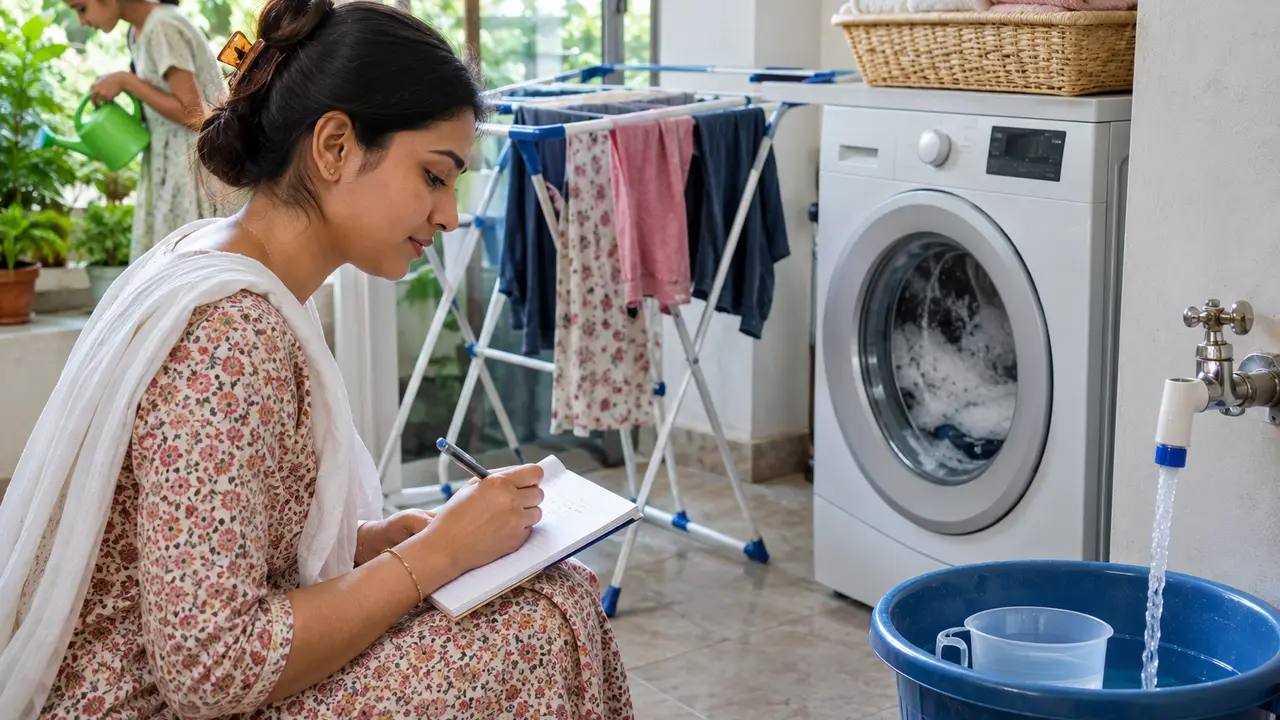
Write down changes in people at home, visitors, weather, or laundry use so you do not credit a habit for a change caused by something else. You can use a notebook; no app is required. If the trend improves, keep the routine. If it does not, look again for a hidden leak or billing issue.
Keep the checklist short
- Compare daily water use, not bill total alone
- Check for estimated readings or tariff changes
- Run a safe no-use meter test
- Inspect toilet, taps and outdoor hoses
- Repair leaks and confirm they stay fixed
- Choose one simple habit to test
- Record the new reading and date
Common Questions
Why did my water bill rise when we used the same amount?
The rate or billing period may have changed, or an estimated reading may have been corrected. Check usage units and dates first. If use really rose, look for hidden leaks.
Can a running toilet cost a lot?
Yes, it can waste water continuously. The amount depends on the leak and your rates. Test the toilet, repair the cause, and check the meter afterward.
Should I replace all my plumbing fixtures?
Not as a first step. Find leaks, look at your actual use, and compare repair and replacement costs. Prioritize a broken fixture or an upgrade with a clear benefit.
The simplest path to a lower water bill is to measure, find waste, fix it, and check again. That turns a guess into a household habit you can keep.