School Costs Without Budget Surprises: A Practical Family Plan
Plan ahead: Write down the school costs you know. Mark the dates on a calendar. Put a little cash aside each pay period. Keep a small amount for new needs. You do not need to buy every item at once. Check which costs are a must and which can wait.
School can bring costs far beyond the first fee on a form. Books, transport, food, clothes, devices, and day trips may land at different times. A clear plan can help your family pay for what matters without a last-minute loan. This guide works for families in many places. Use your local school rules and prices when you make your own list.
Start with the true school cost
Make one list before the term starts. Ask the school for the full fee sheet and a calendar of due dates. Add the costs you know from last year. Look at bank records, receipts, and school messages. A bill that comes once a year still needs a place in your monthly plan.
The UNICEF education planning guide notes that school costs can be direct or hidden. Fees may be plain to see, while travel and other needs are less clear at first. Your school may have very different rules, so ask for written details rather than guessing.
A school that does not charge tuition may still cost a family money. Think of shoes, uniforms, data for class work, paper, exams, meals, and the trip to school. For some families, a parent must also miss paid work to attend an event. Treat time and travel as real costs when they affect income.
Build a one-page school cost map
Split the list into three parts. First are costs you must pay to attend class. Next are useful items that can last a long time. Last are extras such as optional trips or clubs. This lets you protect core school needs when money is tight. It also helps you talk with the school early if one bill is hard to meet.
Say your child needs a set of books now, a bus pass each month, and a new uniform next term. Do not put all three into one vague school budget. Give each its own date and rough cost. Then decide when to set cash aside. A clear map is easier to keep than a long list of guesses.
The five lines to write first
- School fees and exam charges
- Books and basic study tools
- Uniform, shoes and bags
- Travel and meals
- Devices, data and school events
Add one more line for costs that may surprise you. It can be a small buffer for a lost book, a broken bag, or a late notice. This is not a reason to spend extra. It is a way to keep one small problem from harming the rest of the household budget.

Ask which supplies you can reuse
Before you buy, check what is still safe and useful at home. Pens, rulers, folders, bags, and some books may last another term. If the school has changed a book list, ask if an old copy will work. If not, see whether the school has a book swap or low-cost used books.
Do not buy a large pack only because the price per item looks low. If you need two notebooks, a pack of ten may waste cash. The best value is the lowest cost for what your child will use. A short list can stop you from buying the same item twice.
Ask your child what they already have. Older children can check their own drawers and bags. Make it a small task, not a lecture about money. When they help spot items to reuse, they see how a plan works in daily life.
Check the cost of getting to school
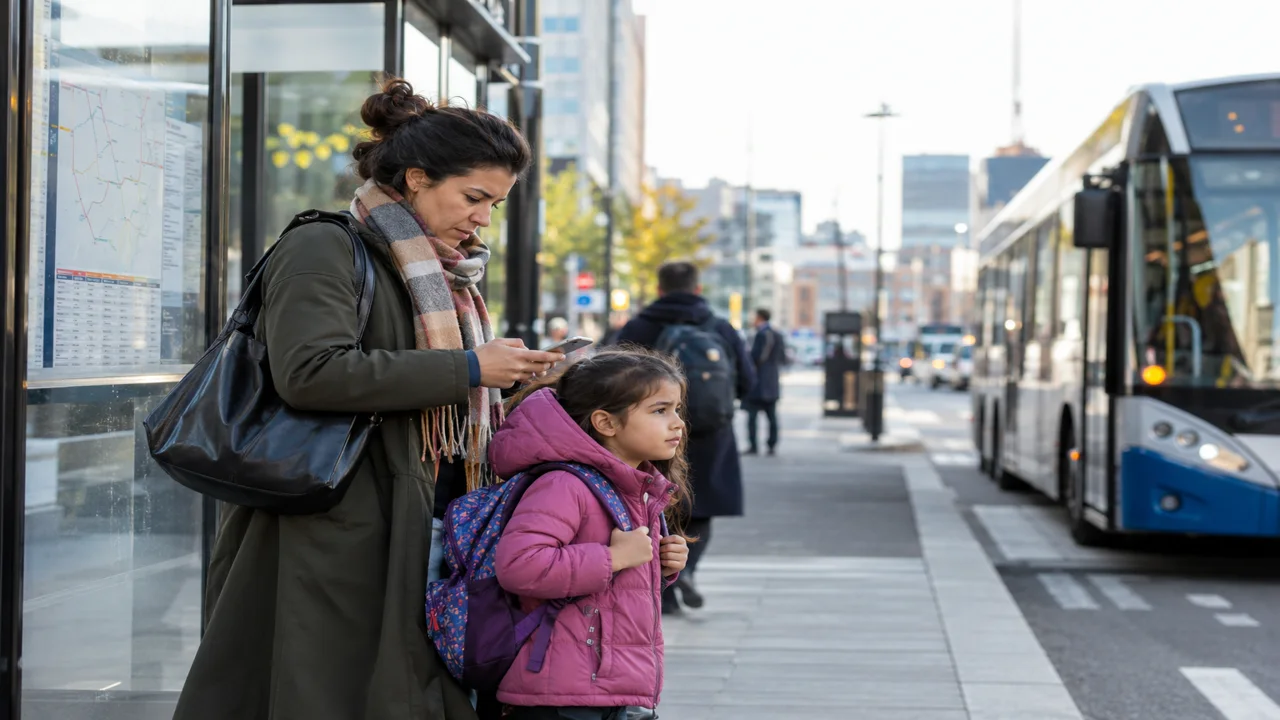
Travel can be a large part of the school budget. Check bus fares, passes, fuel, safe walk routes, and the time it takes. If a school bus is offered, compare its full term cost with local travel. Do not choose the cheapest path if it is not safe or reliable for your child.
For a fair test, count a full month of trips. If a pass costs less than daily fares, see whether your child will use it often enough. Add the cost of an adult who must travel with a young child. If you drive, include fuel and parking, not just the price of the car.
Spread large bills across the year
A bill of 600 local units due in six months can be less stressful if you set aside 100 a month. The math is simple, but the habit matters. Put the money in a named savings pot if your bank offers one. If you use cash, keep it in a safe place and mark it for school.
Do not put the whole plan at risk by saving for school while rent or food is late. If you cannot save the full sum, start with what you can. Then ask the school about a payment plan, fee aid, or a later due date. Ask before the bill is overdue, as some schools have strict rules.
The OECD has noted the value of budgeting and planning for financial well-being. The best plan is one you can keep. A small sum saved on most paydays may work better than a large sum you cannot spare.
Use paydays, not just months
If pay arrives each week, set aside a small amount each payday. If pay changes with seasons, save more when work is strong and less when it slows. Check the dates of school bills against your real pay cycle. The point is to have cash ready before a bill arrives.

Keep a clear line between needs and extras
Children can feel left out when friends join a club or trip. That feeling is real. But not all extras can fit every budget. Talk about the choice with care. Ask what the child values most. A single well-chosen activity may bring more joy than several events that put the family into debt.
Check whether the school offers fee aid, a shared kit, or a free place on a trip. Some community groups can help with school gear. Use trusted local sources and ask about any rules. There is no shame in seeking help with a need that keeps a child in class.
Plan for devices and internet costs
Some school work now needs a phone, tablet, or laptop. Ask what the school truly needs before you buy a new device. A low-cost used device may be enough if it gets security updates and runs the right tools. Check the cost of repairs, data, and safe access too.
A free app may still use a lot of mobile data. Home internet may cost less than daily mobile top-ups for a family with several children. Compare the full month cost and the quality of the link. Do not share a child’s private login on an open device.
Track the plan without making it a chore
Keep one short page with the planned cost, due date, amount paid, and amount left. Review it once a week during the busy weeks before term. After school starts, once a month may be enough. Keep receipts for items that may need a return or a warranty claim.
A plan should change when facts change. If transport costs rise, shift money from an optional item before cutting a core need. If the school adds a new fee, ask what it covers. A calm question can save more than rushing to pay a bill you do not yet understand.

What to do if you cannot pay on time
Do not wait until the last day. Speak to the school in private. Explain which fee you can pay and when. Ask for a written payment plan or details of any help fund. Keep a copy of the reply. If you face a crisis, seek advice from a local school support body or trusted community service.
Avoid high-cost short loans just to buy optional gear. A small loan can grow through fees when pay is late. If you need to borrow for a core school need, compare the full cost and repayment dates. Do not risk rent, food, or medicine to meet a school expense.
A short example for a new school term
Imagine a family with two children. They have 300 units for books, 120 for shoes, and 60 each month for travel. The first two costs come before term, while travel keeps going. They check bags and find one can be reused. They save 40 on that item, buy used books where allowed, and put the rest toward transport. The plan is not perfect, but it shows which choices made a real difference.
Your numbers may be very different. The method stays the same: list costs, check dates, reuse what works, ask for help early, and keep essential bills safe. This is more useful than chasing a single target amount for every family.
For school expenses that arrive once or twice a year, our sinking funds guide shows how to set small amounts aside ahead of time.
The bottom line
School should not turn into a string of surprise bills. Ask for the full cost sheet, set money aside for known dates, and check which items can last another year. Keep a small buffer for the unexpected. The goal is not to buy the most gear. It is to give a child what they need to learn while protecting the family’s basic needs.