

Credit Report Error? How to Check and Dispute Wrong Information
If you spot a mistake: Get the full credit record from a trusted source. Find the wrong entry. Match it with a bill, bank note, or proof of payment. Send a clear request to fix it. Keep the case number and check the new report when the review ends.
You apply for a loan or rental and discover a late payment that does not look familiar. Perhaps an account appears twice, a settled debt still shows as open, or a stranger’s details seem mixed with yours. A credit record error can be unsettling, but the most useful response is calm and specific. Find the exact entry, gather proof, and follow the correction process in your country.
Credit reporting systems differ widely. Some countries have private credit bureaus, some have public credit registers, and others rely on lender records. A right or deadline that applies in one market may not apply in another. This guide offers a practical method, with local rules clearly marked where mentioned.
Get the report from a trusted source
Start with the credit reporting agency or official system recognized in your country. Avoid sites that ask for unnecessary fees, passwords, or bank login details. If you received a denial letter from a lender, check whether it names the bureau or report it used. You may need more than one report if several agencies operate locally.
Download or save the full report securely. Read the personal details, account list, payment history, balances, and any public records shown. Do not share the entire file in a public forum. It may contain addresses, account identifiers, and other sensitive details.
A wrong entry does not always mean identity theft. Data may be old, a lender may report late, or two people may share similar names. The first goal is to determine what is truly inaccurate.
Separate an error from an unfavorable fact
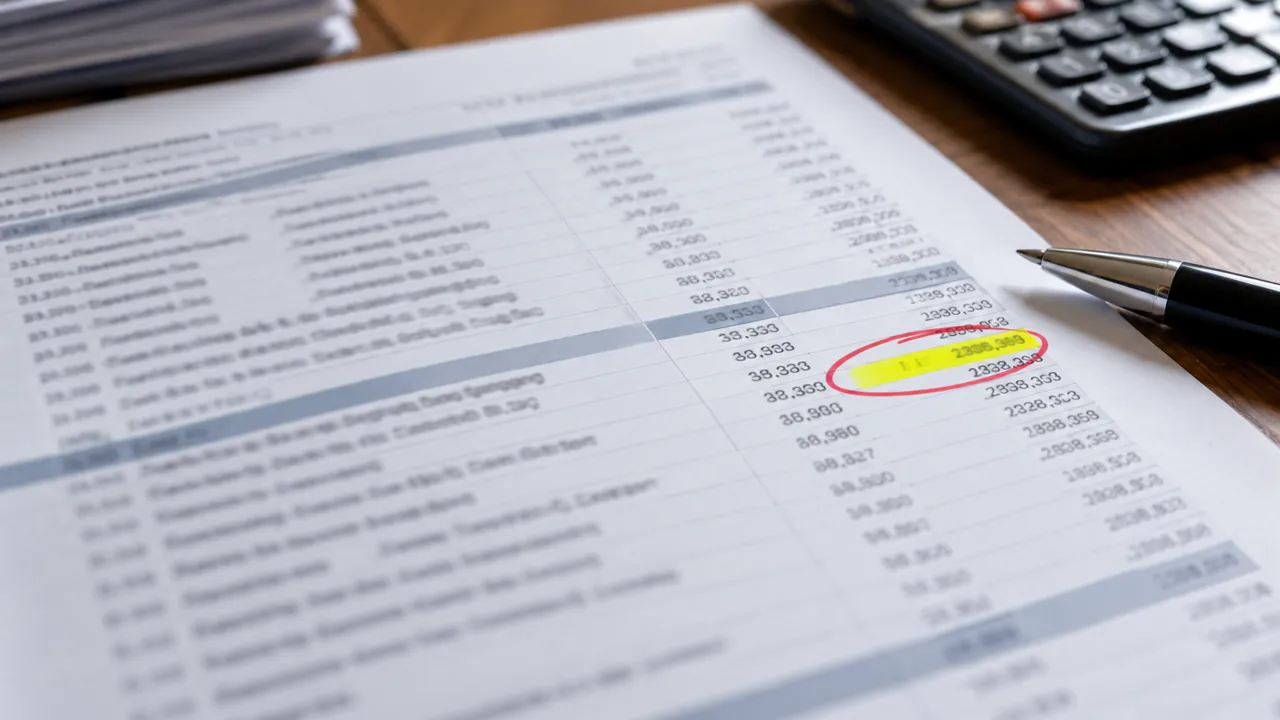
You can dispute information that is wrong, incomplete, or not yours. A real late payment does not become an error just because it hurts your credit score. Before filing, compare the report with bank statements, lender notices, payment receipts, or closure letters. Check whether the report date is older than the latest payment.
For example, a loan might show a balance of 500 units, while your lender’s final statement confirms it was paid off two months earlier. That may point to a reporting delay or mistake. A clear dispute would name the account, the balance shown, the date paid, and the document that proves your claim.
In the United States, the Consumer Financial Protection Bureau advises people to dispute incorrect information with the reporting company and, where relevant, the organization that supplied it. Rules elsewhere differ, so identify the correct local process first.
Make a clear correction request
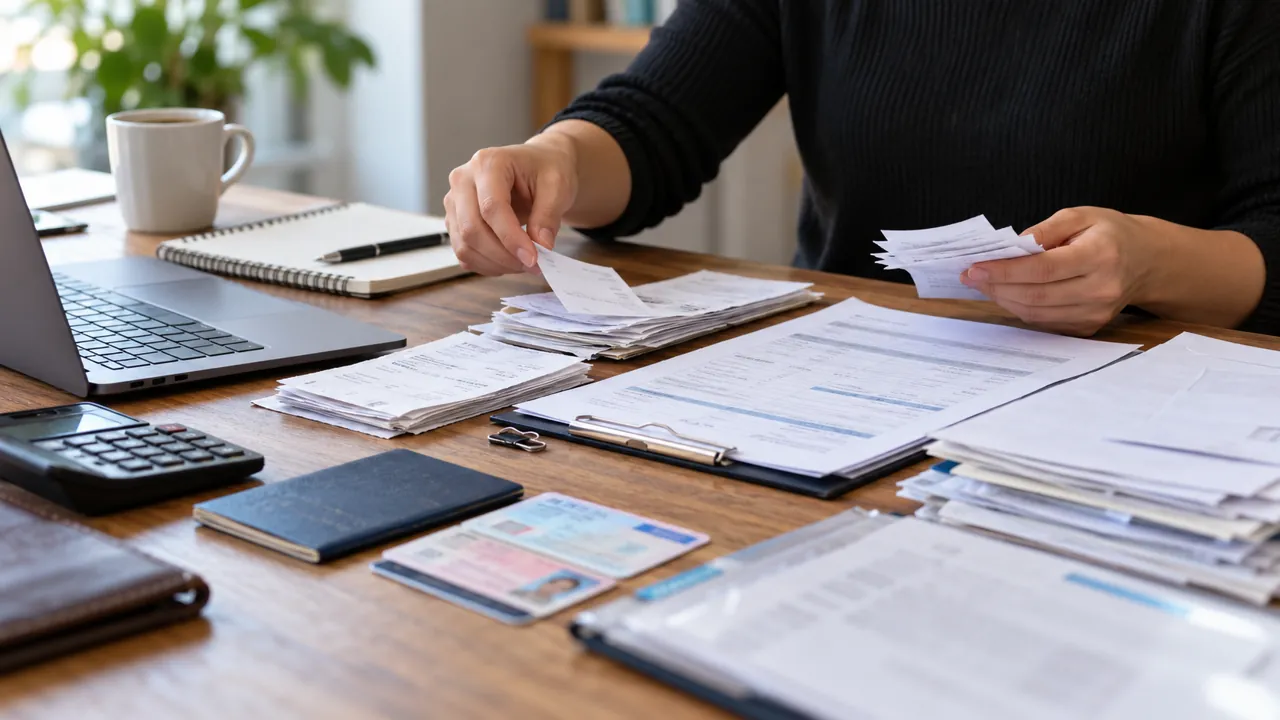
Use the bureau’s official dispute form or another method it accepts. Include your name, enough detail to locate the record, the exact item you challenge, and the correction you want. State why it is wrong in plain terms. Attach copies of relevant proof when allowed. Do not send original documents unless the formal process truly requires them.
Keep the dispute narrow. “Everything is false” is less useful than “Account ending 1234 shows an unpaid balance after the attached settlement confirmation dated 12 May.” The account number is only an example. A reviewer needs to match your evidence to a specific record.
Many systems give a case number or acknowledgement. Save it with the date submitted. If the portal rejects your files, note the error and ask support for an accepted secure route. Avoid emailing full identity documents to an unverified address.

What a simple dispute should include
“I am asking you to review the balance on the account listed below. The report shows 500 units outstanding, but the attached confirmation states the account was paid in full. Please verify the record with the reporting lender and update the information if the evidence is correct.” The tone is factual and gives the reviewer a clear task.
Contact the lender when it supplied the data
The credit bureau may be displaying information sent by a bank, card provider, or collection company. If the lender’s own record is wrong, correcting only the bureau display may not solve the root problem. Contact the lender’s official complaints or data-correction team with the same evidence. Ask for written confirmation of what it will report.
If several bureaus hold the same error, check whether each needs a separate dispute. Do not assume one report will update all others at once. If the error relates to a closed account, make sure the closure date and final balance are correct in each relevant system.
What if the entry may be fraud?
An account you never opened deserves faster action. Contact the named lender through its official website or phone number and tell it the account may be fraudulent. Ask about its fraud investigation and protective options. Secure your existing financial accounts, review recent transactions, and follow the identity-theft reporting route available locally.
Do not send money to a stranger who promises to remove a fraudulent entry for a fee. A person who claims they can erase accurate negative records instantly is also a warning sign. Use the reporting agency and lender’s documented procedures.
Track the response and check the result
Put the expected response date on a calendar, based on the local rules or the date provided by the bureau. If the deadline passes, follow up with the case number. Ask what was checked, whether the lender confirmed the record, and what options exist if you disagree with the outcome.
When you receive a correction notice, get a fresh report and inspect the exact item. Do not rely only on a brief message saying “resolved.” Look for the corrected amount, status, and date. If the result is still wrong, use the permitted escalation route, such as a regulator, ombudsman, or data protection authority where applicable.

Protect your information during the process
Credit disputes often involve personal data. Save files in a private folder and use secure upload tools. Check that the bureau or lender domain is genuine. Be careful of paid services that promise a better score just for submitting paperwork. A clear error report can often be started through official channels, though local access conditions vary.
Check your report again after a reasonable interval, especially before an important application. Do not apply for many new credit products simply to test whether the report has changed. Focus on getting a reliable corrected record first.
Credit report error checklist
- Get the report from a recognized source.
- Identify one precise incorrect item.
- Find statements or letters that support your claim.
- Submit a factual dispute through an official route.
- Contact the data-supplying lender if needed.
- Save the case number and response date.
- Inspect the corrected report afterward.
- Escalate through a local regulator if unresolved.
Common questions
Will a dispute raise my score?
Not necessarily. The purpose is to make the information accurate. A correction may affect a score if the wrong item had been used in scoring, but the effect depends on the system.
How fast will the bureau respond?
That depends on local law and the bureau’s process. Check the official timeline shown when you submit. Keep a record of the date and any messages.
What if the disputed item is accurate?
A bureau may leave verified accurate information in place. Ask for the explanation and use the local review process if you believe evidence was missed. Do not submit false claims to remove genuine debts.
For an account that may have been opened using your identity, also see our credit identity theft safety plan.
The practical takeaway
A credit report error is easier to investigate when you name the exact item and provide a short evidence trail. Use official channels, keep the case reference, and check the final report. The aim is an accurate record you can rely on, not a promised score boost.
Check one line at a time
Get a copy of your own credit file from the right bureau in your country. Do not use a random site that asks for a fee up front. Check the name and address first. Then look at each account. Is it yours? Is the amount right? Is the date fair?
If you see a debt you do not know, make a note. Save a copy of the page. Look for old bank emails or proof that a bill was paid. Do not send a scan of your ID to someone who calls you out of the blue.
Write a short note to the bureau or lender. Name the line that is wrong. Say what the right fact is. Add proof if you have it. Ask how long the check may take and how they will tell you the result. Rules vary by place, so use the steps on the bureau’s own site.
Keep the case number. Check the file again when the firm says the review is done. A clear log can save you time if the same error comes back.



One Comment