

Overdraft Fees Explained: Stop Small Balance Gaps Becoming Costly
Know your balance: A bank may let a payment go through when cash is low. It may then charge a fee. Check the sum you can use, not just the total shown. Watch for bills that have yet to clear. Ask your bank which alerts and limits your account has.
You buy lunch, pay a bill, and later notice that your bank balance is below zero. A charge may follow. For some accounts, the bank allows a payment despite too little available money; for others, it declines the payment. The difference can be expensive and confusing. Understanding how your own account handles a shortfall is the first way to avoid repeated costs.
This guide covers overdrafts in clear terms for an international audience. Banks and payment systems do not follow one worldwide rule. Fees, opt-in requirements, interest, and consumer rights depend on your country and account contract. Check the current terms from your own provider before making changes.
What an overdraft really is
An overdraft happens when a payment makes an account’s balance fall below the money available, and the bank still pays it. Some banks offer an arranged limit, while others may allow an unarranged shortfall. One account might charge interest by the day. Another might charge a flat fee or decline the transaction instead. Some products have no overdraft feature at all.
Do not confuse overdraft coverage with a free loan. Even when a bank pays a small debit, you may owe both the negative amount and a charge. If the next paycheck is used to clear that debt, you will start the new pay period with less cash than expected.
The Consumer Financial Protection Bureau describes several overdraft options for U.S. accounts, including the option to decline some card payments. These specific rules are not universal. Your local bank’s fee schedule is the key document.
Why the balance on the screen can mislead
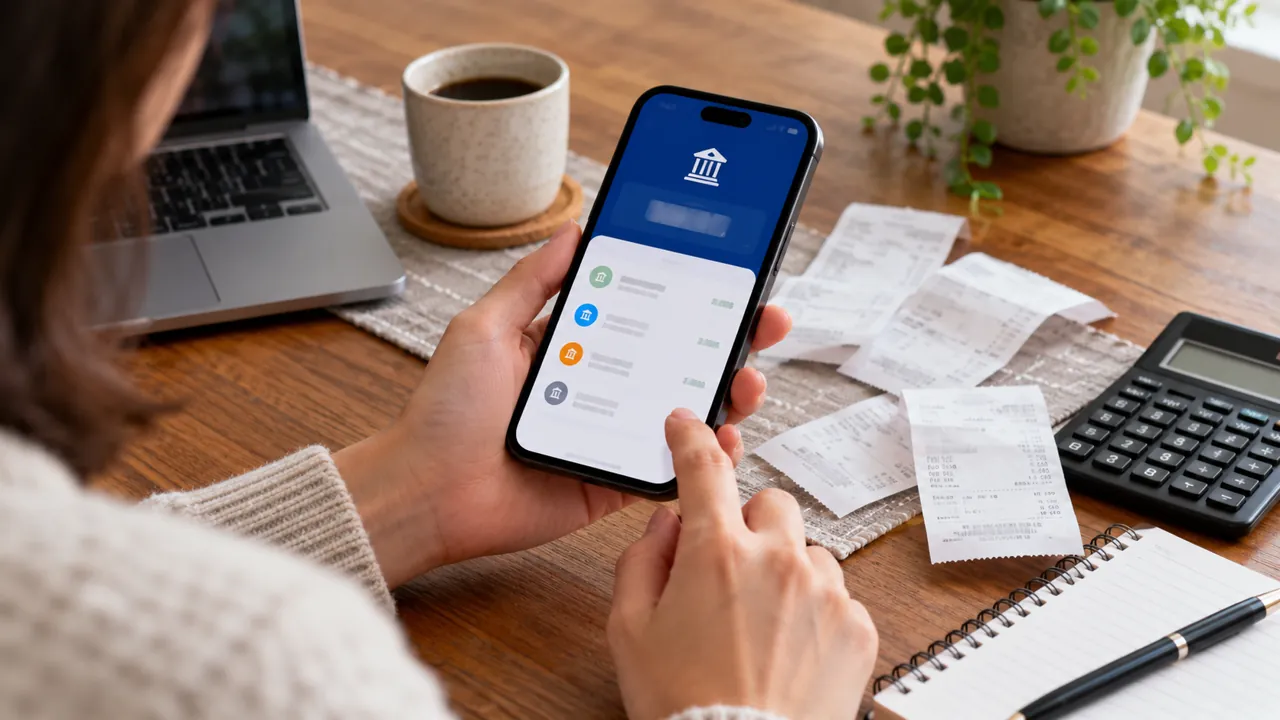
Your app may show a current balance, an available balance, and transactions that have not cleared. They can differ. A restaurant payment may be authorized now but settled later. A direct debit can leave the account on a date you forgot. A deposit may appear before all of it is available for use. Read the definitions your bank uses.
Imagine a hypothetical account with 120 units available. You spend 40 on groceries, leaving 80. A utility debit of 95 then settles overnight. The account could end 15 below zero if the bank pays it. The resulting charge might be far larger than the shortfall. This is only an example; actual bank handling varies.
A useful habit is checking upcoming automatic payments before treating the displayed balance as spending money. A buffer for bills is more reliable than a mental guess about what should still be there.

Find the precise charge in your account terms
Open your bank’s current fee page, not an old blog post about the bank. Search for overdraft, negative balance, unarranged borrowing, returned payment, and transfer charges. Look for any daily cap, grace period, or interest rate. Ask whether a fee applies per event or over time. Two small payments on the same day may not be treated like one larger payment.
Also check what happens when a payment is declined. A failed bill can trigger a charge from the biller or interrupt a service even if the bank does not charge an overdraft fee. The cheapest choice depends on the type of payment and the consequence of failure.
Where options exist, ask the bank to explain them in writing. Do not assume turning off one overdraft service stops every kind of negative balance. Recurring debits, checks, card payments, and scheduled transfers may be handled differently.
Choose account settings deliberately
Some banks let customers opt out of certain overdraft payments, set low-balance alerts, or link a second account for a transfer. A linked savings transfer can still carry a fee, so compare the full cost. An alert gives you notice but does not cancel a payment. It works only if you see the message and have time to act.
In the United States, CFPB guidance says certain one-time debit-card and ATM overdraft fees need a consumer opt-in. See its overdraft guidance. Elsewhere, ask the local bank or financial regulator about the choices you have. Do not treat a U.S. rule as a global entitlement.

A short question to ask support
“Which payments can take my balance below zero? What fees and interest apply? Can I block some of those payments or receive a low-balance alert? Will that change recurring bills?” The answer should help you make an informed choice without jargon.
Build a buffer that fits your pay cycle
Start by looking at the largest gap between a bill date and a paycheck. If a large bill clears before income, reserve a small amount from an earlier payday. Set a realistic first target, even if it is just enough to prevent a frequent shortfall. Money set aside for this purpose should remain easy to access.
If your income changes from week to week, budget from confirmed income rather than a best-case forecast. Make a list of fixed payments and their dates. Delay optional purchases when the forecast falls below your buffer. This can be less stressful than trying to remember every pending charge.

What to do after a fee appears
First check the exact transaction and date that caused the shortfall. Compare the fee with your account terms. If the charge looks wrong, contact the bank promptly through a verified channel. Explain the facts and request a review. You may also ask for a one-time courtesy refund, but that is not guaranteed.
If the bank does not resolve a dispute, use its formal complaint process and then the relevant local regulator or financial ombudsman where available. Keep statements, screenshots, support case numbers, and written replies. Do not post full bank records publicly.
If overdrafts happen each month, treat the pattern as a cash flow issue, not a personal failure. Review whether bills can be moved to better dates, whether an account with lower charges exists, and whether fixed costs are taking too much of your reliable income.
Before the next payment: a quick checklist
- Check your available, not only current, balance.
- Look for pending card charges.
- Note direct debits due before payday.
- Read the bank’s overdraft fee schedule.
- Review alerts and payment settings.
- Keep a small buffer where possible.
- Contact the bank fast if a fee seems wrong.
Common questions
Will a declined payment always be cheaper?
Not always. The biller might charge a late fee or stop service. Compare the full impact. For essential bills, contact the provider before the due date if cash is short.
Can an overdraft affect my next paycheck?
Yes. Money paid into a negative-balance account may first reduce the amount owed. This leaves less available for new bills. Check your provider’s terms about debt recovery and account limits.
Do all banks offer an overdraft?
No. Some accounts do not allow negative balances, while others require approval or offer several options. Ask your provider how your account works.
To plan around recurring charges, use the method in our zero-based budget guide and reserve money before a payment clears.
The bottom line
Most overdraft surprises start with a mismatch between the money you can spend and payments still on the way. Learn the account rules, check bill dates, choose settings with care, and keep a small buffer if you can. A few minutes of review can prevent a small balance gap from turning into a much larger cost.
Check the balance before a bill hits
Look at the cash you can use, not just the amount at the top of your app. A card payment may still be on hold. A bank fee may be due. A check may not have cleared. These gaps can lead to a fee if a bill is paid at the wrong time.
Say you have 70 units in the bank. A bill for 60 is due. You bought food for 20 with a card, but the bank has not shown the charge yet. You may think you have enough cash for the bill. You do not. Count the card cost too.
One fix is to set a low-balance alert. You can also move a due date, if the firm allows it. Ask your bank what happens if you lack cash for a debit. Find out if it rejects the bill or pays it and charges you.
If you do get a fee, call the bank soon. Ask what caused it and if it can be waived. Keep your next bill in mind when you spend.
Build a safer week with three small checks
Check what is still on hold
A card charge can take time to show in your bank list. Do not treat that cash as free to spend. Keep a note of each card buy until it clears. If you use two cards from one bank account, count both. This is a simple way to avoid a gap you did not see.
Make a bill list you can trust
Write the due date, sum, and payee for each bill. Put the list where you will see it on pay day. Mark the bills that take cash on their own. Check the date each month, since a day off or bank holiday can shift when cash moves. Ask the firm if the date can be changed when it clashes with your pay.
Learn your bank’s fee rule
Not all banks treat a short balance the same way. Some may reject a payment. Some may let it go through, then charge a fee. Some offer alerts or a way to turn off part of the service. Read your own bank’s terms. Ask a staff member to show you the rule if it is hard to find. The terms may vary by account and by place.
Use a small cash pad if you can. Start with five or ten units. Add a bit when you have spare cash. A pad does not fix a large gap, but it can help when a bill is a few units more than you thought. Do not use the whole pad for a treat just because the balance looks high that day.
Once a week, take five minutes to match your notes to the bank list. Cross off each charge that cleared. Check the cash left after all bills due before the next pay day. If it is too low, make a call early. A firm may offer a new date or a plan to pay in parts. Ask about fees before you agree.



2 Comments