
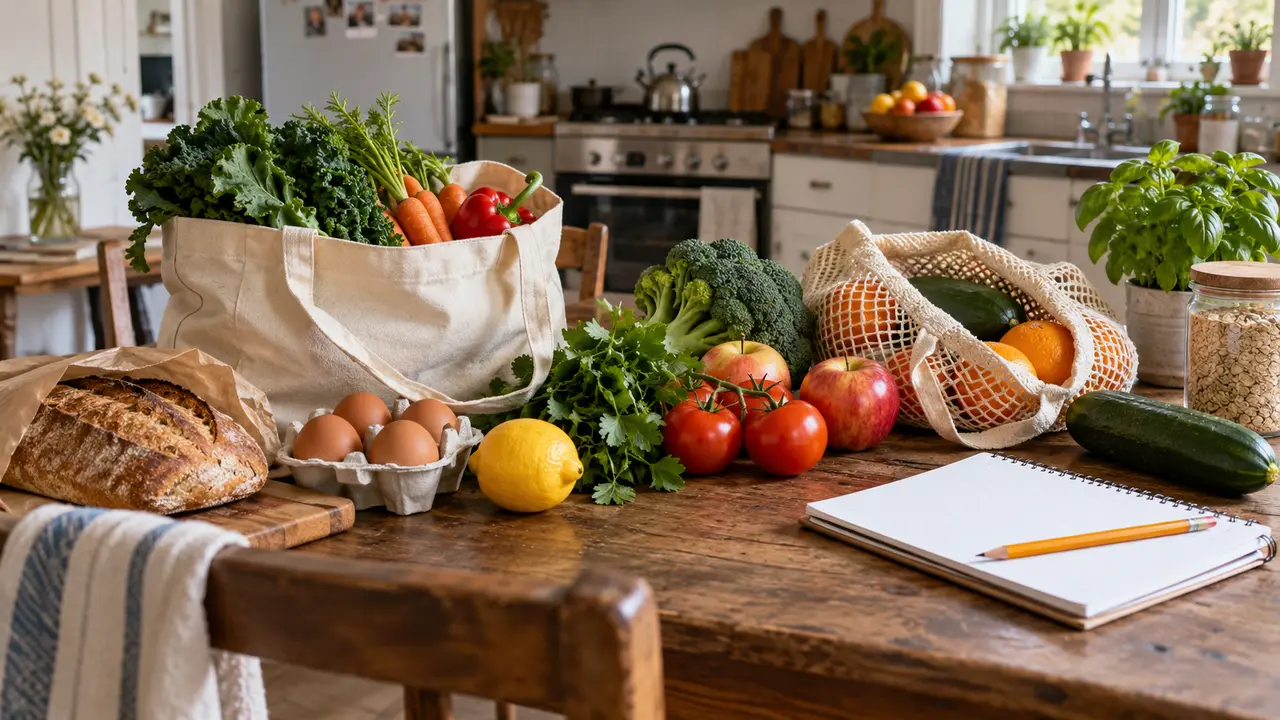
Grocery Budget That Cuts Food Waste Without Cutting Good Meals
Want to spend less on food without serving less? Start with what your home buys, eats, and throws away. This guide shows a flexible way to plan meals, compare prices, and use food safely.
Start with what you throw away
A grocery budget is not just a cap on the amount you spend at the shop. It is a plan to turn food you buy into meals you eat. A large bag of cheap vegetables is not a bargain if half goes bad. The best first step is to look at what your home throws away each week.
For seven days, keep a short waste note. Record what was thrown away, why, and roughly how much it cost. Do not blame anyone in the home. Look for patterns such as bread going stale, a large pack of greens wilting, or cooked food left too long in the fridge. These notes give you a clear place to save.
The UN Environment Programme reported that homes across the world wasted more than one billion meals each day in 2022. The figure is a global estimate, not a measure of your household. It shows why food waste is worth tackling alongside prices.
Set a realistic food spending baseline
Open your last four weeks of grocery receipts or card records. Add food bought for home meals. Keep household goods such as soap in a separate line so you can compare food costs fairly. If you buy fruit or fresh food with cash, add those trips too.
Split the sum by week, but keep an eye on larger monthly purchases. A family may stock rice or oil once a month and buy fresh food each week. A low grocery week may just mean the cupboard was already full. Compare a full month with the next one before you call the plan a success.
Set a small trial target. For example, aim to spend 5% less next month by cutting waste, not by skipping sound meals. The percentage is an illustration, not a rule. Food needs, prices, and access differ by place. Keep nutrition and safe storage in view.
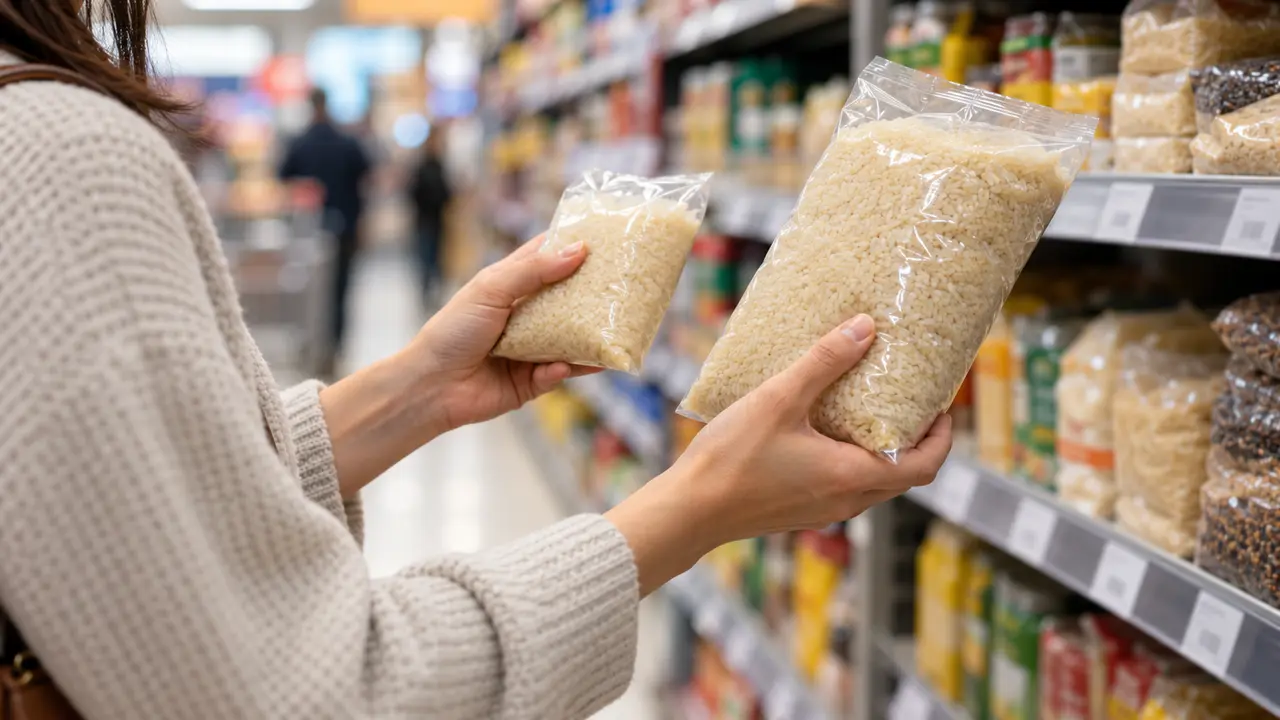
Shop your kitchen before the store
Before you write a list, check the fridge, freezer, and cupboard. Open containers and look at dates and condition. Put food that needs to be used soon at the front. Build two meals from those items before you plan anything new.
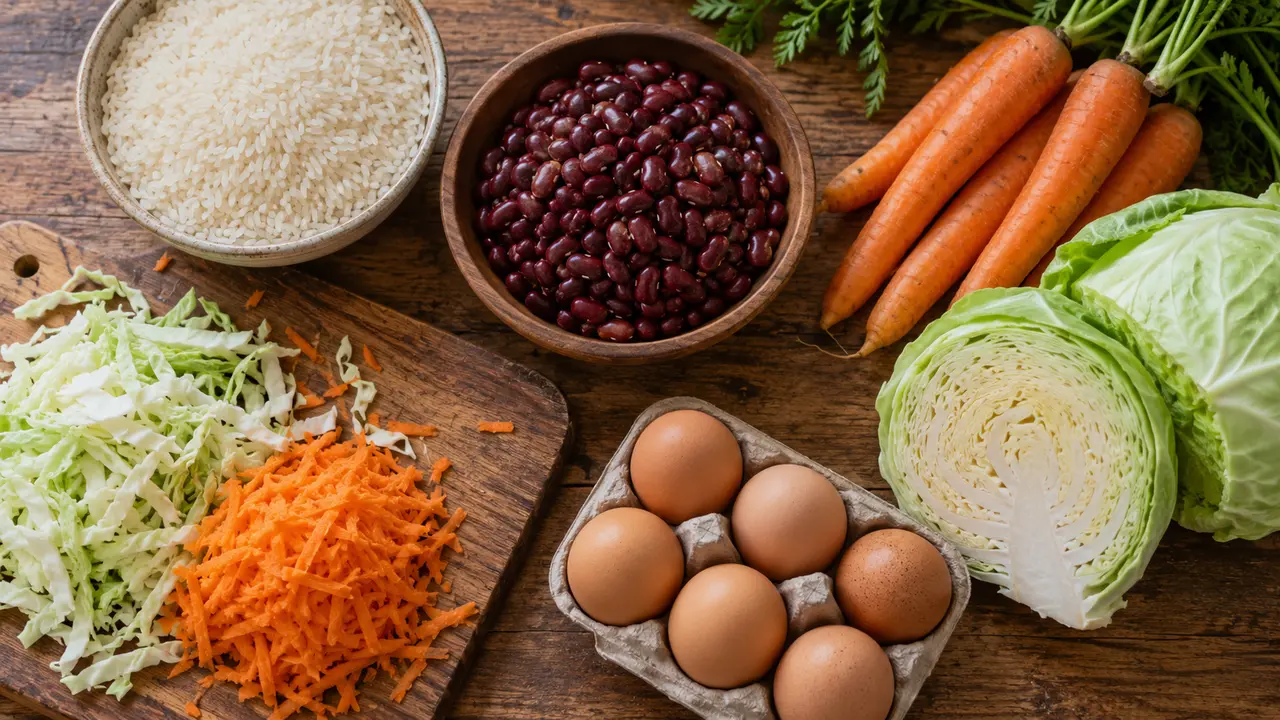
Imagine you have cooked rice, eggs, carrots, and half a cabbage. One meal might be a simple rice dish with well-cooked eggs and vegetables. Another might be soup or a stir-fry with fresh ingredients you already have. The goal is to use food safely, not to force an odd recipe to save a small amount.
Make a use-first shelf
Pick one clear shelf or box for food that should be eaten soon. Tell everyone in the home what it is for. Keep raw meat and other foods stored at safe temperatures and in ways that prevent leaks. Never use food that looks or smells unsafe just to avoid waste.
Plan meals with shared ingredients
A strict seven-day menu can fail when work runs late or plans change. Instead, choose a small set of meals that share core ingredients. Use a base such as beans, rice, pasta, oats, potatoes, or local grains. Add vegetables, protein, and fruit that fit your needs and local market.
If you buy a large cabbage, plan one cooked meal and one fresh side only if you know it will stay safe. If the pack is too large, buy a smaller amount even if the unit price is a little higher. A pack’s price per kilo matters, but the amount you will truly eat matters more.
Leave one flexible meal slot for leftovers. This gives you space when a planned meal makes more servings than expected. It also helps when family plans change or a friend visits.
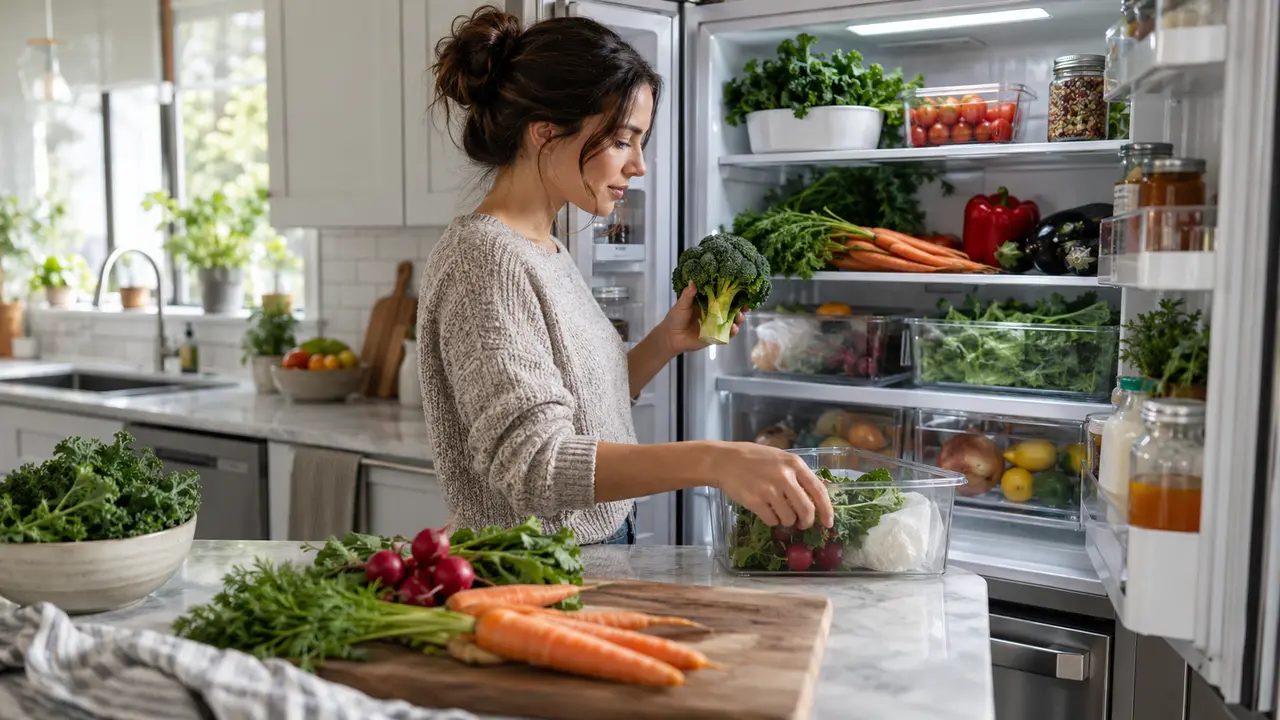
Compare unit prices, not bright labels
A price tag may show a large discount but hide a small pack. Compare the cost per standard unit, such as 100 grams, one kilo, or one litre. If the store does not show a unit price, divide the pack price by its weight or volume. Use the same measure for each product.
Consider a 500-gram pack at 4 units and a 750-gram pack at 5.4 units. The first costs 8 units per kilo. The second costs 7.2 units per kilo. The larger pack has a lower unit price. It only saves money if you can use all of it before it spoils.
Do not assume a familiar brand always costs more or a store brand is always best. Compare taste, nutrition, size, and price. For foods you eat often, small cost gaps can add up. For a rare item, buying exactly what you need may be smarter.
Buy fresh food to match your week
Fresh food can be a strong part of an affordable diet, but it needs a plan. Choose hardy vegetables for the end of the week and more delicate produce for the first days. The right mix depends on climate, transport, and whether you have a reliable fridge.
Local markets may offer useful seasonal prices. Shop near closing only if quality and safe storage still meet your needs. A low price is not worth a food safety risk. If you find a good deal on produce, decide how you will cook, share, or freeze it before you pay.
Keep a simple backup meal from shelf-stable foods. It can stop an unplanned delivery order when you arrive home late. The meal should still give enough nutrition for your household rather than just fill a gap.
Store food so it lasts
Read storage advice for the food you buy and follow local health guidance. Fridge and freezer temperatures matter. Raw foods may need to stay away from ready-to-eat meals. Use clean containers, label cooked food with the date, and avoid leaving it at room temperature for long.
Do not rely on smell alone to judge whether cooked food is safe. Some harmful germs do not cause a clear change in smell. Check trusted advice from your local food safety agency, especially for rice, meat, seafood, eggs, and cooked leftovers.
Freezing can help when you have more than you can eat soon. Freeze in meal-sized portions so you do not need to thaw a large batch. Do not refreeze foods unless local food safety guidance says the method is safe.
Give leftovers a real job
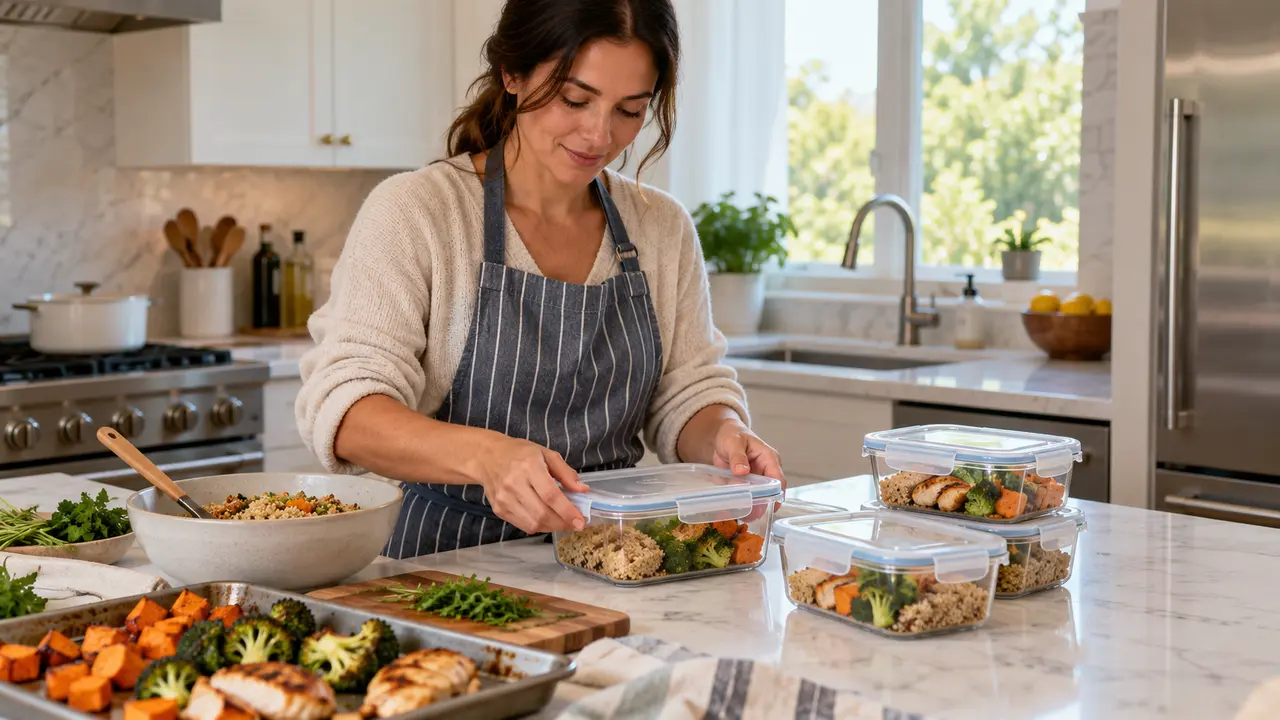
Leftovers work best when you plan their next meal. A pot of beans might become lunch with a new side. Roast vegetables can be added to a cooked grain bowl. Keep safe cooling and storage rules in mind. Do not keep food for too long simply because it cost money.
Place a note on the fridge with the next meal that uses each leftover. This is more useful than a vague promise to eat it later. If the home has more than one cook, agree on who will use the food. Clear ownership keeps good food from being forgotten.
A leftover meal does not have to look like the first meal. Small changes in herbs, sauce, or side dishes can make it feel new without much added cost. Use what you have before buying a second set of ingredients.
Keep treats in the plan
A grocery plan that bans every snack or special meal can be hard to follow. Set a modest amount for the foods your home enjoys. A budget should guide choices, not turn every shop into a test of willpower.
If a branded snack matters to the children, keep a small amount and find savings elsewhere. If a simple home dessert costs less than a shop version, compare your time and ingredients as well as the price. It is fine to pay more for an item if it fits the whole plan.
Look at the month, not one slip. A birthday or family visit can raise spending for a week. Shift other meals if you can, then return to normal. Do not cut healthy staples to make up for a celebration.
Review the result with three numbers
At the end of four weeks, look at total food spend, the amount wasted, and the number of meals bought outside the home because there was no plan. Those three numbers tell a clearer story than grocery spend alone. A smaller bill with more takeout may not be a saving.
Compare with the prior month and note major changes such as travel, guests, or higher local food prices. Give the new plan two or three cycles before drawing a firm view. Food prices can swing, and one week may not represent a whole season.
Your simple weekly routine
Check food on hand, write three flexible meal ideas, make a list, compare unit prices for repeat items, and keep a use-first shelf. These steps take less time once they become habits. Keep the routine plain enough for everyone in the home to use.
Use savings for a clear goal
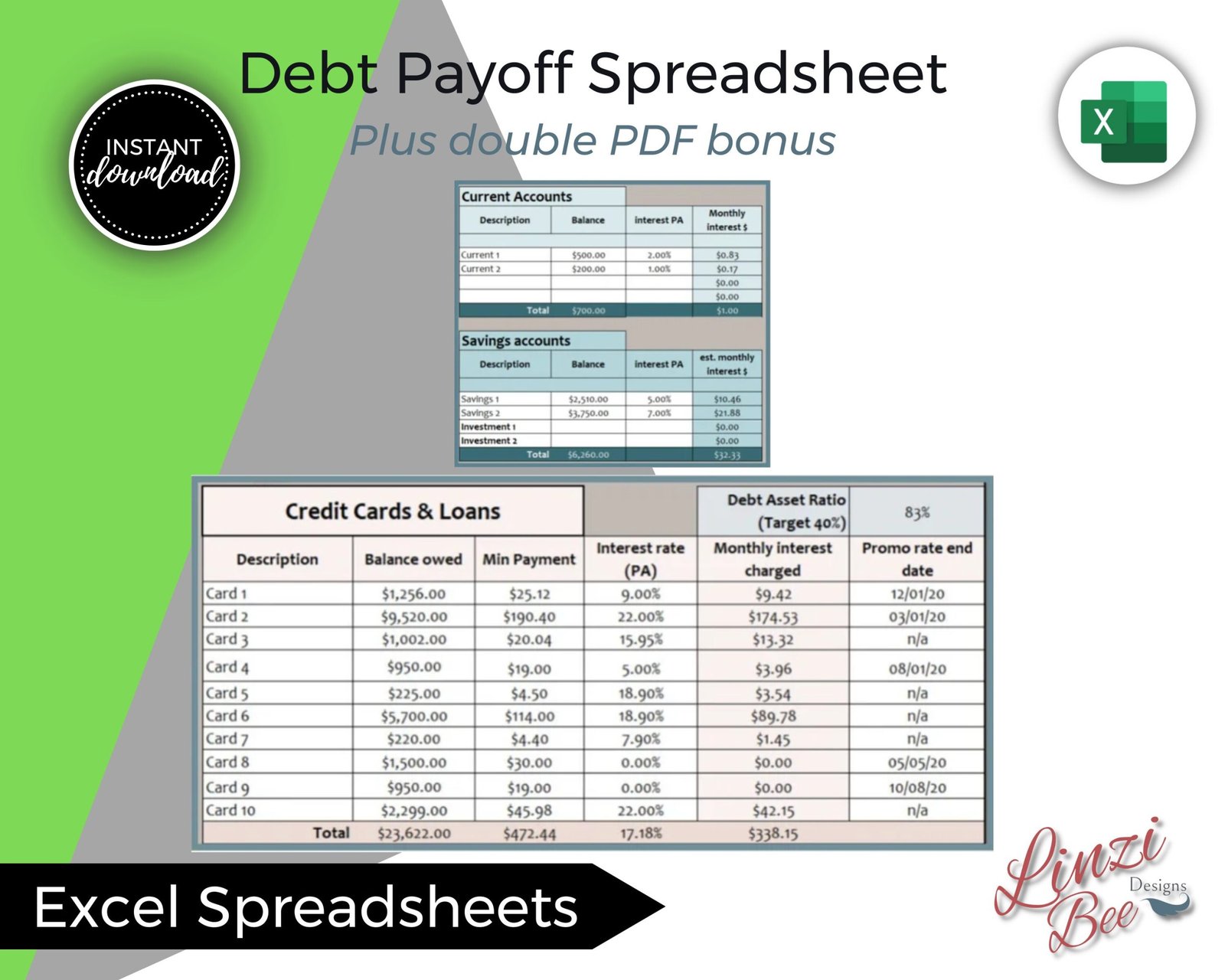
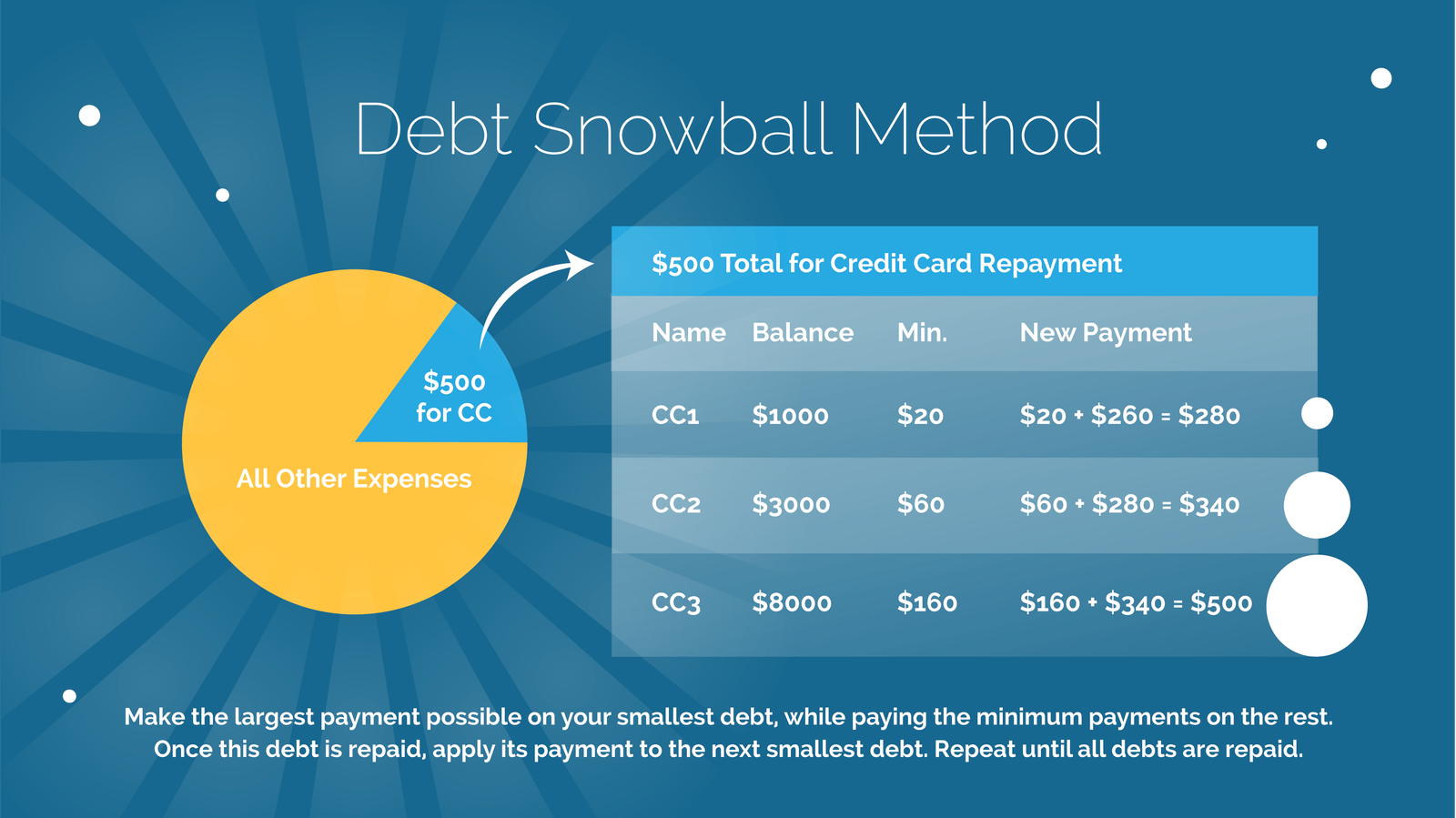
If the grocery plan frees up money, give that saving a job. It might help build a cash reserve, lower a costly debt balance, or cover a school need. You do not need to move every small amount at once. A monthly transfer based on actual savings is enough.
Avoid claiming that one shopping method will cut every home’s costs by a fixed share. A person with poor access to stores or high food needs may have fewer choices. The goal is to reduce avoidable waste and buy food that will be eaten.
This guide gives general budgeting ideas. Food safety and dietary needs come first. Adapt the plan to local prices, storage, health advice, and the people at your table.


One Comment