

Home Disaster Insurance: How to Check Flood, Storm and Fire Gaps
A home plan may seem clear until a storm or flood hits. Learn what it pays for, what it leaves out, and what you must pay first. Check for gaps before you need to make a claim.
What a policy really promises
Home cover may help after a storm, fire, or leak. But no plan pays for every loss. Read which events it covers and which it does not. Check how much you must pay first. These facts matter more than a low price.
A home may face wind, floods, quakes, theft, or fire. Risks change from place to place. Start with a local risk map. Then read your own plan. One plan may pay for flood loss. Another may need you to buy extra cover. A storm claim may also have a fee you pay first.
Use these steps to check home cover where you live. Local laws still apply. If you are in doubt, ask your insurer or local watchdog. Your own plan sets out what it pays for.
Find the local risks first
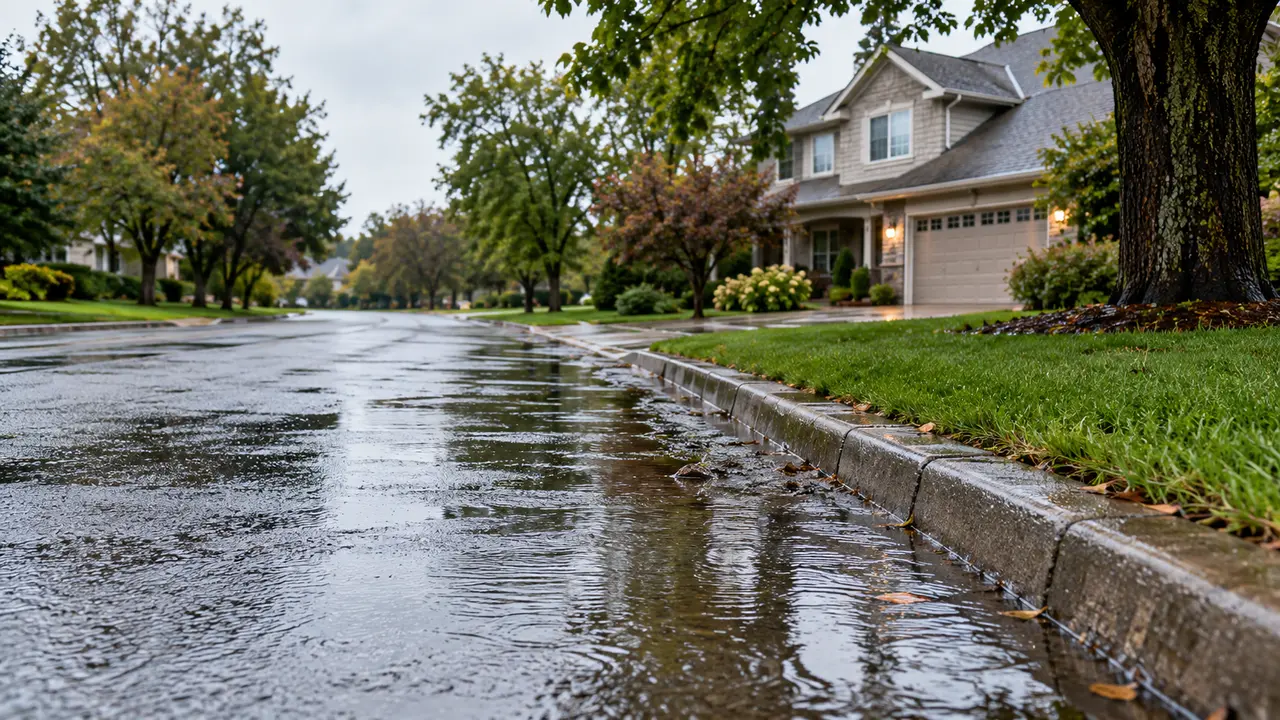
Look at where you live before you ask for a quote. Is your home near a river or the sea? Is it on a steep hill or near dry woods? Does the roof face strong wind? Has water filled your street in the past? Look for risk maps from a local public body.
Use a map as a first screen, not a final answer. A flood map may show broad zones but miss blocked drains and small local dips. Ask neighbors about past events, and check building records if you can. Old photos of high water can be more useful than a vague claim that the area is safe.
List the losses you could not pay for from savings. Think of a roof, walls, wires, and pipes. Think too of where you would stay if you could not live at home. Use the list when you check plans.

Read the events covered
Some plans list each event they cover. Others cover a wide range of sudden loss but name what they leave out. Do not judge by the plan’s name. Read the full text and the sheet with your cover amount, caps, and the share you must pay.
For each risk near your home, ask a plain question: If it happens here, what will this plan pay? Ask the firm to point to the rule in writing. A phone call is not enough proof. If the answer is still vague, ask a local broker or help group.
Separate storm, flood and seepage
Heavy rain can cause different kinds of damage. Wind may tear a roof. Surface water may enter through a door. Slow damp may build over months. A policy may treat each case in a different way. Do not assume that cover for one includes all three.
Check limits before prices
The big number on your plan is not always what you get. Some things have much lower caps. Look for rules on gems, tools, work gear, phones, and a place to stay. The cost to clear waste or hire an expert may have its own cap too.
Imagine a home with repairs worth 30,000 units of local currency. The policy may have a 25,000 building limit and a 2,000 excess. Even if the event is covered, the owner could still face a large gap. The exact result depends on how the contract applies caps and excesses. This is only a simple example.
Ask how much it would cost to build your home again today. Do not use the price of the land. Staff, wood, steel, permits, and a rush for repairs after a storm can all add to the bill.
Understand the excess
An excess is the share you must pay before or alongside a claim. A plan with a high excess may cost less each year, but it can be hard to use after a loss. Check whether the excess is one fixed amount, a share of the claim, or a share of the insured value.
Some hazards may have a special excess. For example, a wind event might use a different figure from a fire claim. Do not compare two quotes until you have put the excess for the same event next to each other. A cheap quote with a very high hazard excess may not suit a household with little cash.
Keep enough liquid savings to handle a likely excess, but do not rely on savings to cover a loss that could destroy the home. The aim is to share a large risk, not to insure every scratch or minor repair.
Know what happens after a claim
Good cover helps only if you can make a claim. Ask how soon you must report a loss. Ask what proof you need. Keep photos of rooms and costly items. Store copies in a safe place you can reach even if your home is badly hit.
If damage happens, make the area safe first. Call emergency services when needed. Take photos before repairs if it is safe, but do not put yourself at risk for evidence. Keep receipts for urgent work. Ask the insurer before making major changes unless repairs are needed to stop more harm.
Write down each claim call, the date, and the name or reference number. Ask for decisions in writing. If you disagree, use the firm’s complaint route and then the local independent dispute body where one exists.
Watch for a protection gap
Many disaster losses never reach an insurer. The International Association of Insurance Supervisors and World Bank reported that insurance covered about 31% of worldwide disaster-related economic losses in 2023; in most emerging and developing economies, the share was under 10%. Those figures describe a broad protection gap. They do not tell you whether a specific home is covered.
The gap can reflect cost, access, exclusions, lack of trust, or a poor fit between products and local hazards. A low premium does not close the gap if the event most likely to hurt your home is not covered.
For a practical check, write the top three local hazards. Next to each, write covered, excluded, limited, or unclear. If a major hazard is excluded, ask whether a separate policy, add-on, public pool, or local assistance scheme exists. Do not assume every option is sold in every country.

Compare three quotes fairly
Get quotes that use the same rebuild value, type of home, major hazards, and excess where possible. A comparison is weak if one plan includes flood and another does not. Look at the annual price only after you have lined up what each contract would do after a severe loss.
Ask whether the price can change at renewal, whether the insurer can inspect the property, and which facts you must disclose. Give true answers about past claims, use of the home, and known risks. Missing facts can affect a claim. Check how cancellation works and whether there is a waiting period.
Your quote comparison sheet
Record the insurer’s legal name, policy form, covered hazards, notable exclusions, building limit, contents limit, temporary housing limit, main excess, special hazard excess, renewal terms, and complaint route. Save the full documents, not just the online summary.
Renters and owners need different cover
If you rent, the building may be insured by its owner, but your clothes, laptop, and other belongings may not be. Your policy may also need liability cover, depending on local rules. Read the lease and do not assume the landlord’s cover protects your items.
If you own a flat, a shared building policy may cover common parts but not all interior work. Ask the building manager for the master policy’s scope and excess. Then check what your own plan must fill. For a standalone home, you may need separate protection for the structure and belongings.
People who work from home should ask about business gear and paid work on the property. A standard personal policy may cap or exclude work tools. If a laptop is key to your income, check the cover before you need it.
Reduce risk as well as insure
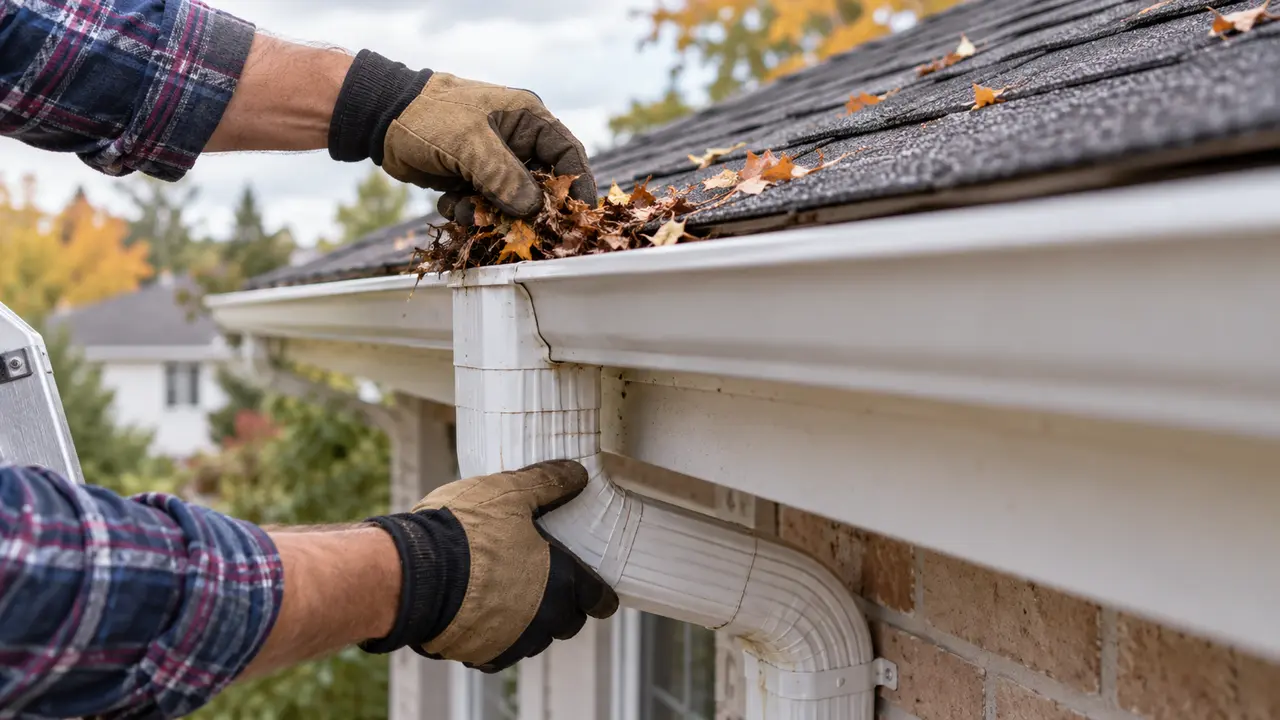
Insurance is only one part of disaster planning. Clear drains when safe, secure loose roof items, keep key records in a dry place, and follow local building guidance. Some changes may cut risk or help when you seek cover. Never make unsafe repairs yourself.
Make a small home inventory. Walk through each room and record costly items, age, and proof of purchase if you have it. Update the list after major buys. This step can save time during a stressful claim. Keep an emergency plan for family, pets, medicine, and key contacts.
Review cover at each renewal and after repairs, an extension, a move, or a major change in local risk. A policy that once seemed enough may no longer meet rebuild costs. The best review takes more than a glance at price: it checks the actual events, limits, and cash you would need after a claim.
Make a clear final decision
Choose a policy only when you can explain what it covers in plain words. You should know the three biggest threats to the property, the key exclusions, the excess for those threats, and how to file a claim. If you cannot answer those points, ask for a written explanation before paying.
Use a local regulator’s register to confirm the insurer or broker is authorized. Keep policy documents, proof of payment, and contact details where you can access them away from home. If you have no suitable offer, record the gap and ask about public schemes or risk steps that may be available.
This is general education, not a policy recommendation. Coverage and consumer rights vary by country. Read the policy that applies to your address and seek regulated local guidance for complex needs.



2 Comments