Suspicious Digital Payment? A Step-by-Step Response Guide
See a payment you do not know? It may be a hold, an error, or a scam. Check it in a safe way. Then alert your bank, lock down your account, and save proof.
Act fast, but stay calm
A strange charge alert can be scary. First, check if the money left your account. It may be a failed try or a card hold. Do not tap a link in the alert. Open your bank app on your own. If you cannot use it, call the number on your card.
Write down what you see. Note the time, sum, shop name, and bank account. Save a screen shot of the charge if you can do so safely. Never share a PIN, login code, or full card number with a caller.
Act fast to limit harm. But refund rules depend on where you live and how you paid. Card claims, bank wires, and phone wallets have their own rules. These steps can help you act. They do not mean you will get the money back.
Work out what happened
How did the money move? Was it a card, bank wire, wallet, link, or QR code? Did you agree to pay because of a scam? Or did someone act with no consent from you? Tell the bank what took place. It can affect the next steps.
Check if the amount is pending or settled. Some cards show a temporary hold before a final charge. Do not assume a pending payment is harmless, but tell the bank what the app shows. Some merchants use names that differ from the shop name; check recent receipts before you decide an entry is fraud.
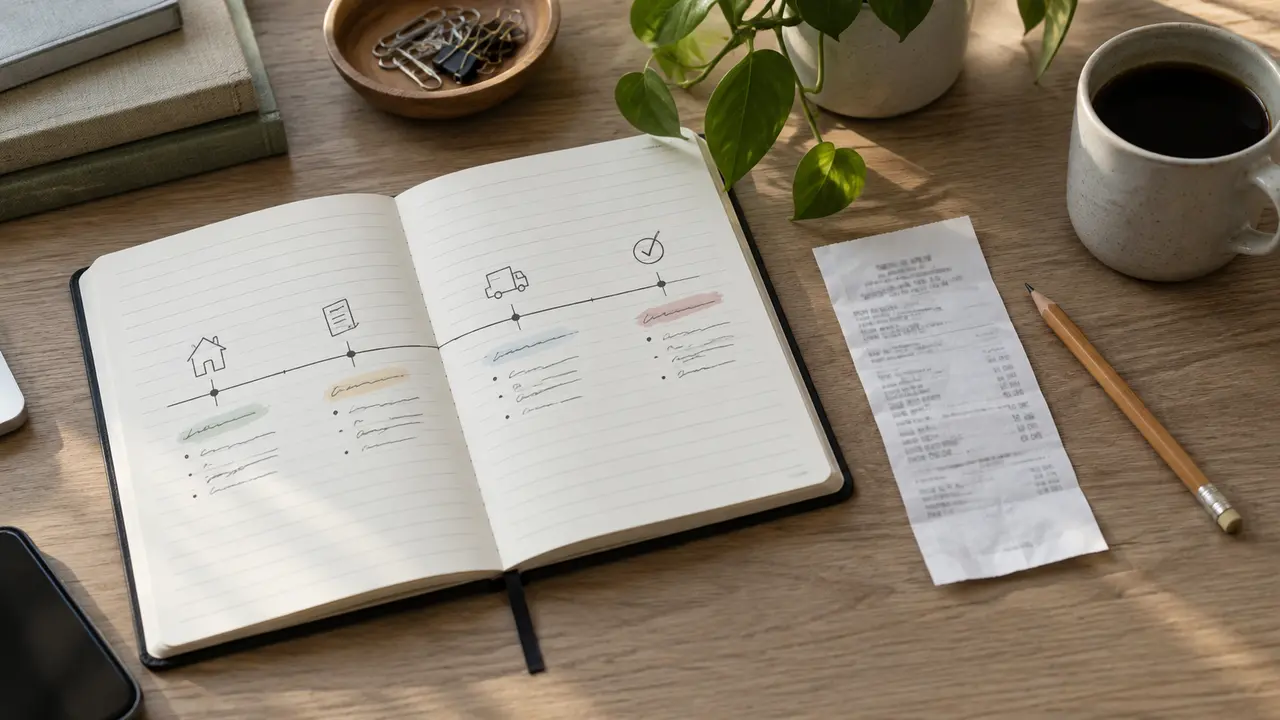
Write a short event timeline
Make a short log. Note when you saw the alert or charge. Add calls or links you used. If you share a phone or bank app, check who had access. Do not blame anyone without proof. A clear log can help the bank trace what took place.
Use a trusted contact route
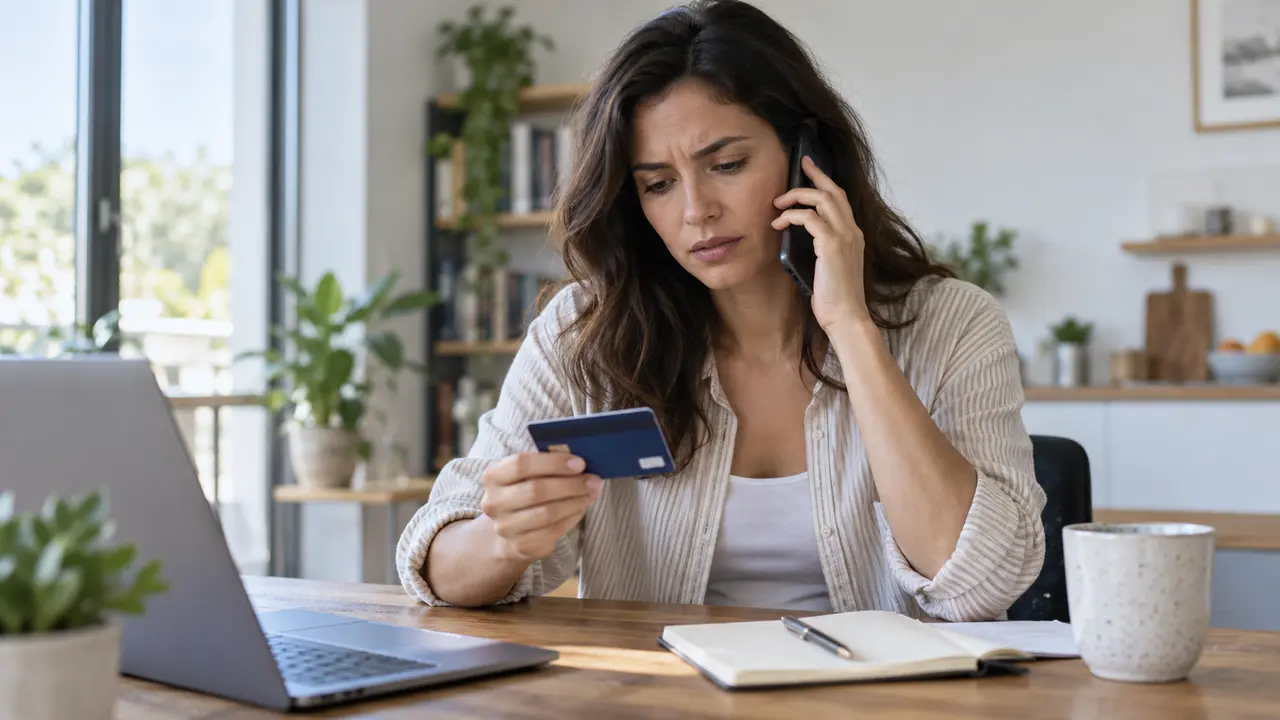
A scammer may send a new text and pose as bank staff. It may ask for a fee to release your refund. Do not pay. Call the number on your card or use the help button in your bank app.
If your app lets you lock a card, do so when you think it is at risk. Then tell the bank or wallet firm what took place. Ask for a case number. If you do not know what to lock, ask the bank which cards and accounts may be at risk.
Never send ID photos or bank screen shots to a random chat. If your bank needs proof, use the safe file link in its own app or site. Ask what it needs and why.
Secure access after reporting
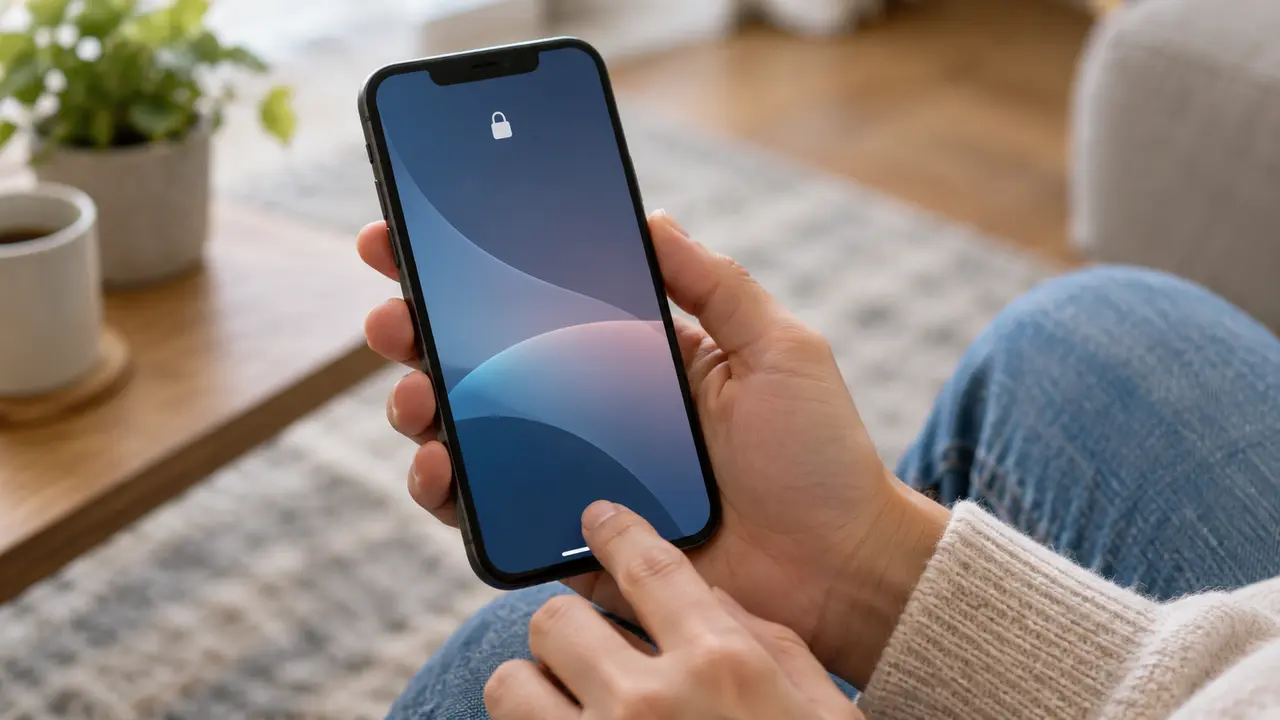
Use a safe phone or laptop to change the password for the account at risk. Pick a long, new one. Turn on a second login step. Check which phones can sign in. Sign out of any you do not know. Remove cards from apps you no longer trust.
If you used the same password for email, change that too. Email access can let an attacker reset other accounts. Check for new forwarding rules or recovery contacts you did not set. If a phone number was taken over, contact the mobile provider and bank at once.
Keep the order simple: stop payments, contact providers, secure accounts, then review other activity. Spending hours changing minor app settings while a card is still active can leave the main risk open.
Know why digital scams spread
Digital payments are now part of daily life in many places. The World Bank’s Global Findex 2025 reports that 79% of adults worldwide had a financial account, up from 74% in 2021. More access brings useful services, but people still need safe habits and fair ways to resolve payment issues.
The OECD has stressed that digital financial skills and consumer protection help people use payments more safely. The point is not that a customer can stop every scam. Providers also have duties under local rules.
A scam may look like a call from your bank, a parcel text, a plea from a friend, or a fake pay page. The trick may change, but the rush is a clue. Be wary when someone tells you to act at once through a link you did not seek.
Report to the right place
Start with the bank or payment firm that handles the account. Use its fraud or dispute path. Ask whether you need to file a formal complaint and when you will get a reply. Keep your case number, copies of emails, and any form you submit.
If local rules require a police or cybercrime report, follow that path too. In some places, a financial ombudsman or consumer regulator can review an unresolved complaint. Find its official channel through a government or regulator site, not a sponsored search result that asks for a recovery fee.
If you sent money to another bank, ask your provider about a recall or trace at once. A recall may fail if funds are gone, but early contact matters. Never pay a third party who promises to recover money for an advance charge.
Keep proof without sharing secrets
Save the transaction record, merchant details, relevant messages, and your own timeline. If there was a fake website, capture its address and the page if it is safe, but do not return to enter details. Preserve the sender address and phone number of scam contacts.
Do not include live passwords, security codes, or full card numbers in a complaint attachment. Mask unneeded data when the provider allows. A complaint is easier to read when you put key facts first: account, date, amount, payment method, and why you believe it was not valid.
If the provider calls back, verify the caller through the app or official number. A real case number can also be copied by a scammer if it leaks. It is useful for tracking, but it is not proof that a caller is genuine.
What if you approved the transfer?
A common scam persuades a person to send money willingly because they believe a false story. This differs from someone stealing card details and making a charge. Providers may assess the two cases under different rules. Tell the truth about what you did. Do not change your account of events to fit a refund form.
For example, you may have received a message from a contact asking for an urgent loan. If you sent money and then learned the contact’s account was hacked, keep the chat record and report the payment. Ask if the provider has an authorized-push-payment fraud process or similar protection in your country.
Even if a refund is not available, a report can help flag receiving accounts. You can also warn the real contact through a separate trusted channel so others are not tricked.
Watch for repeat attempts
After one scam, fake recovery agents may contact you. They may know your name, the amount lost, or the provider. This does not mean they are official. Refuse requests for new payments, remote device control, or a one-time code.
Check your other accounts for small test charges, new payees, changed contact details, and unknown devices. Turn on transaction alerts where possible. If a card was replaced, ask whether old tokens or recurring payments will move to the new card. Some legitimate subscriptions do, and that can be confusing.
Do not ignore a small charge just because it is small. But do not assume every unfamiliar name is a thief. Compare receipts and contact the provider through the trusted path.

Help a family member safely
If a parent or friend has been scammed, focus on action, not blame. Shame can stop people from reporting. Sit with them, open the real bank app, and help gather the timeline. Let them speak with the provider unless they ask you to assist and the provider permits it.
Many people struggle when bank branches close or support moves online. Ask about phone, in-person, or accessible support if the app is hard to use. Record each next step in plain words. Make sure the person knows not to share codes with a caller who claims to be from the bank.
A calm five-step check
Confirm the charge in the real account, lock what is at risk, report it, secure login and email, and save the case reference. Return later to track the response. A short routine helps most when emotions run high.
Build safer daily habits
Use trusted bookmarks or app shortcuts for banks and wallets. Check the recipient name and amount before approving a payment. Be wary when a caller says you must move money to a safe account, pay a test amount, or read out a code. End the call and check through a channel you control.
Keep device software updated and set a screen lock. Avoid storing sensitive codes in plain notes. Limit who can use your phone when a payment app is open. If you run a small business, confirm changes to a supplier’s payment details by calling a number you already know.
No checklist stops every attack, so keep the provider’s reporting route easy to find. The best plan joins safe habits with a quick response if something still goes wrong. This is general information; your local payment and consumer rules control the next formal steps.