

Sent Money to the Wrong Person? What to Do Next
Do this first: Save the payment receipt. Check if the transfer is still pending. Call your bank or payment app through its true support channel. State what went wrong and ask what steps are open. Keep the case number. Do not pay a stranger to get the money back.
You tap Send, see the confirmation, and then spot a mistake. The account number may be wrong. You may have chosen an old contact. Or you may have paid someone who used a false name. The next few minutes matter, but panic can make a hard problem worse. Start with facts: what was sent, how it was sent, and whether the payment is still pending.
This guide shows a calm way to respond to a mistaken bank or app transfer. It is for readers in many countries. Payment rules, refund rights, and dispute time limits differ by provider and location. Check your own terms and local consumer agency before you rely on a deadline.
First, work out what kind of mistake happened
There is a big difference between typing the wrong recipient and finding a payment that you never made. If you approved the transfer yourself, even by mistake, your options may differ from those for a stolen account. A third case is a scam: you were tricked into approving a transfer. Tell the bank exactly which case applies. A wrong label can slow a review.
Open the transfer record in your bank or payment app. Note the date, exact time, amount, currency, recipient details, reference number, and current status. Do not edit the receipt. Take a clear screenshot or save the original file for the provider. If the payment is still marked pending, check whether the app offers a cancellation button. Do this before spending time on online advice.

Act in the first few minutes
Use the official support channel shown in your bank app, card, or account statement. Do not trust a telephone number from an unsolicited text. Tell support that you sent a payment to the wrong recipient, and ask if a recall, cancellation, or trace is possible. Ask for a case number. Keep your wording short and exact.
For example: “I approved a transfer of 240 units at 10:14 today, but I selected an incorrect recipient. The reference is XYZ. Can you check its status and start any available recall?” The numbers here are only a sample. Use your own receipt details when contacting support.
Some real-time transfers settle at once. A provider may be unable to reverse them on request. Other methods have a review window or a separate recovery process. The support agent should explain what they can try, what they cannot promise, and when you will get an update. Ask for the response in writing when possible.

If the recipient is known, contact them carefully
If you sent funds to a friend or trusted business by mistake, a polite request may work. Share only the transaction reference and amount needed to identify the transfer. Do not send passwords, one-time codes, identity documents, or a second “test payment.” If the contact is unknown, let your payment provider lead the recovery steps. An unknown person may be a scammer or may not know why the funds arrived.
Never accept an offer that asks you to pay a recovery fee first. That is a warning sign. A genuine bank review should be handled through its official channel. If someone phones you and claims to be the bank, hang up and call the number already saved in your app or on your card.
Build a short record that support can use
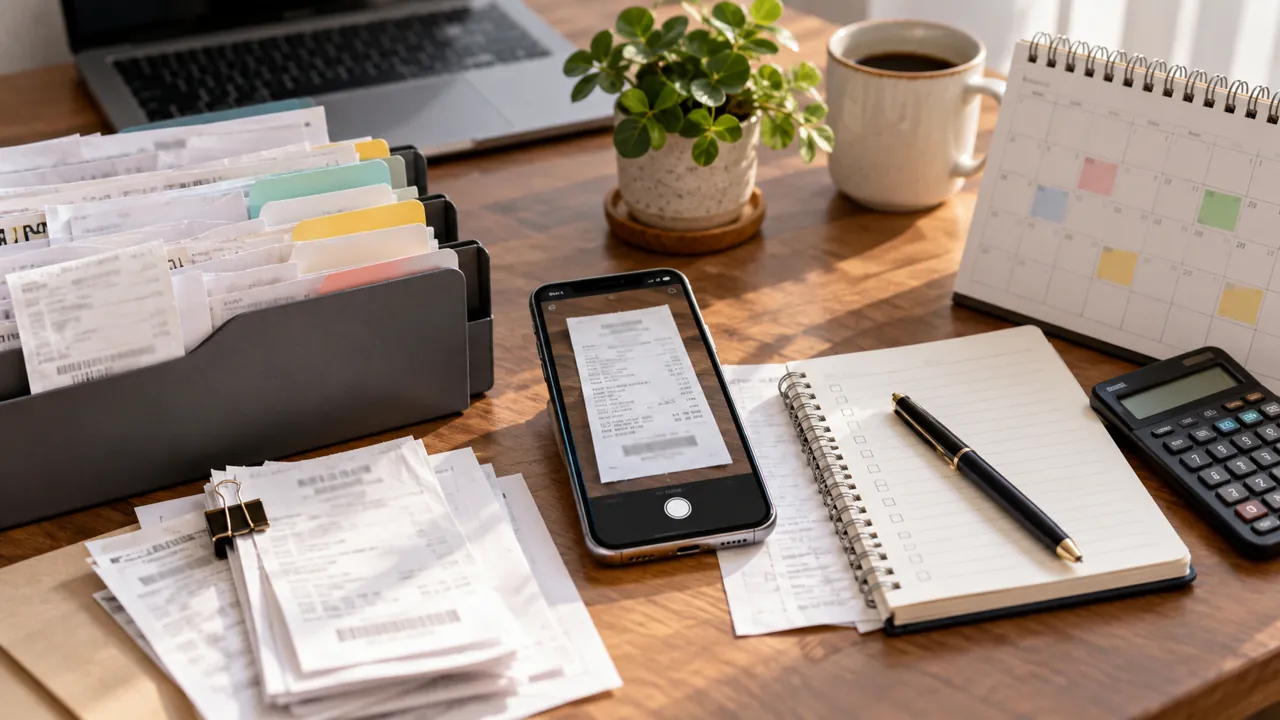
A useful record is not a pile of unrelated screenshots. Put the key facts in date order. Include the original transaction receipt, any message that explains the intended recipient, your first report to the bank, and each follow-up reply. Keep copies of the provider’s case number and any stated deadline.
Store this material in a private folder. Hide unrelated account details before sharing copies with third parties. Do not publish another person’s name or bank account online to pressure them. That may create privacy problems and may not help your claim.
A simple case timeline
Imagine you paid the wrong contact on Tuesday morning. At 9:15 you saved the receipt. At 9:25 you opened a recall request through the bank app. At 10:00 you received a case ID. Two days later, the bank asked for a written statement. Your timeline should show those four events and the exact answers you gave. This makes it easier to see whether a promised update was missed.
Know the difference between error and fraud
If the transfer was made by someone else without your permission, report an unauthorized transaction at once. Review recent account activity and change access credentials using a safe device. If a person tricked you into approving a payment, say that clearly too. A scam is not the same as a typing error, and it may trigger a different process.
The Consumer Financial Protection Bureau advises people who believe a transfer went to a scammer to contact their bank or payment company right away. The Financial Conduct Authority also describes steps for people affected by fraudulent payments. Their legal examples apply to their jurisdictions, so check which local rules cover your payment.

What if the bank says the transfer cannot be recalled?
Ask for an explanation that names the payment method and the reason a recall is not possible. Ask whether the provider can send a recovery request to the recipient bank. A recovery request is not a promise that the money will return. If you disagree with the handling of the case, request the provider’s formal complaint route.
Check whether your country has an independent financial ombudsman, banking regulator, consumer authority, or payment dispute service. Start with the provider’s written complaint process if that is required locally. Keep the original case ID when escalating so the reviewer can trace the steps already taken.
When talking to the bank, focus on what can be verified. Say “The recipient account on my receipt differs from the account I meant to use.” Avoid claims about criminal intent unless you have evidence. If fraud is suspected, report the facts to the relevant local authority.
How to avoid the same problem next time
Saving a contact once can be handy, but it also makes it easy to send money to an old account. Before confirming a transfer, compare the final recipient identifier with a fresh, trusted invoice or message. If the bank shows a name-check warning, read it rather than tapping past it. For a large payment to a new recipient, use any verification process your bank provides.
Give yourself a short pause before transferring money under pressure. A real supplier should be able to confirm new bank details through a known phone number. Scammers often say a payment is urgent and tell you not to call anyone. A pause is one of the cheapest safety tools you have.
A pre-send checklist
- Check the recipient name and account identifier.
- Check the currency, amount, and fees.
- Confirm new bank details through a trusted channel.
- Read any warning shown by your payment app.
- Save the receipt once the payment is sent.
- Turn on alerts for future transfers.
Answers to common questions
Can a bank always reverse a transfer?
No. It depends on the payment rail, its settlement status, local rules, and the provider’s ability to recover funds. Ask what exact process is open to you. Do not assume that all card, wallet, and bank payments share the same rights.
Should I send another payment to prove the first one was wrong?
No. A second transfer may create another loss. If support requests a step that seems odd, verify the instruction through the official bank channel before acting.
How long should I wait?
Report the error immediately. Then follow the case timeline the provider gives you. If it misses its own response date, contact support with the case number and ask for the next escalation step. Local complaint deadlines may run even while a case is open.
If someone gained access to an account without permission, review our identity theft safety plan alongside the payment provider’s fraud steps.
The practical takeaway
The best response is prompt and precise. Save the evidence, check whether the transfer is pending, contact the provider, and ask for the available recall or complaint process. Then secure your account if fraud may be involved. Recovery is not guaranteed, but an accurate report gives the provider the clearest chance to act.
A calm first-hour plan
Stop and check the facts. Open the payment note in your bank app. Read the name, amount, date, and the last part of the account number. Do not send a second payment to fix the first one. That may make the loss worse.
Call your bank through its own app or the number on your bank card. Say that the cash went to the wrong person. Ask if the bank can seek a return or trace the payment. Ask for a case number. Write down the time, the name of the agent, and the next step they gave you.
If the payee is a firm you know, use its official help page to get in touch. Do not use a phone number sent to you in a text by a stranger. Never share a code or your sign-in details to get a refund.
Check your bank app the next day. Some transfers are hard to take back once sent. Ask what the bank can and cannot do. Keep all notes and proof in one safe place. If you feel rushed, pause and speak to a person you trust.



One Comment