High Dividend Yield: How to Spot a Yield Trap Before Investing
A large dividend number can hide a falling share price or weak business. Use this simple check to see what a yield means and whether the payment may last.
Know what a dividend means
A dividend is a payment that a company may make to its owners. Some firms pay it each quarter. Others pay once a year or not at all. A dividend is not a bank interest payment, and a company can cut it.
A high dividend yield can look like easy income. But yield is a ratio, not a promise. It is often the annual dividend per share divided by the current share price. If the price falls, the yield can rise even when the business is in trouble.
Do not start with the highest number on a stock screen. Start with what the firm earns, owes, and needs to spend. Then ask if the dividend can last without harming the business.

Understand the yield math
Suppose a share costs 100 units and pays 4 units in yearly dividends. Its yield is 4%. If the share price falls to 50 while the last dividend amount stays on the screen, the displayed yield may rise to 8%. That does not mean the owner got richer.
The share fell by half. The next dividend may also be cut. A high yield can be a sign of value, but it can also flag risk. You need more facts to know which case you face.
Look at total return
Total return means the change in share value plus dividends, with the right adjustment for reinvested payments. A stock that pays 8 but loses 20 in price has not given a good one-year result. Taxes and fees can lower what you keep.
Check why the price moved
Read the firm’s recent results and public notices. Did sales fall? Has debt grown? Is a major plant closing? Did the whole sector drop, or is this firm alone in trouble? The price move may have a sound cause.
Use the company’s official investor report and a regulated stock exchange notice where possible. A social media post may be out of date. Check the date before you trust a headline.
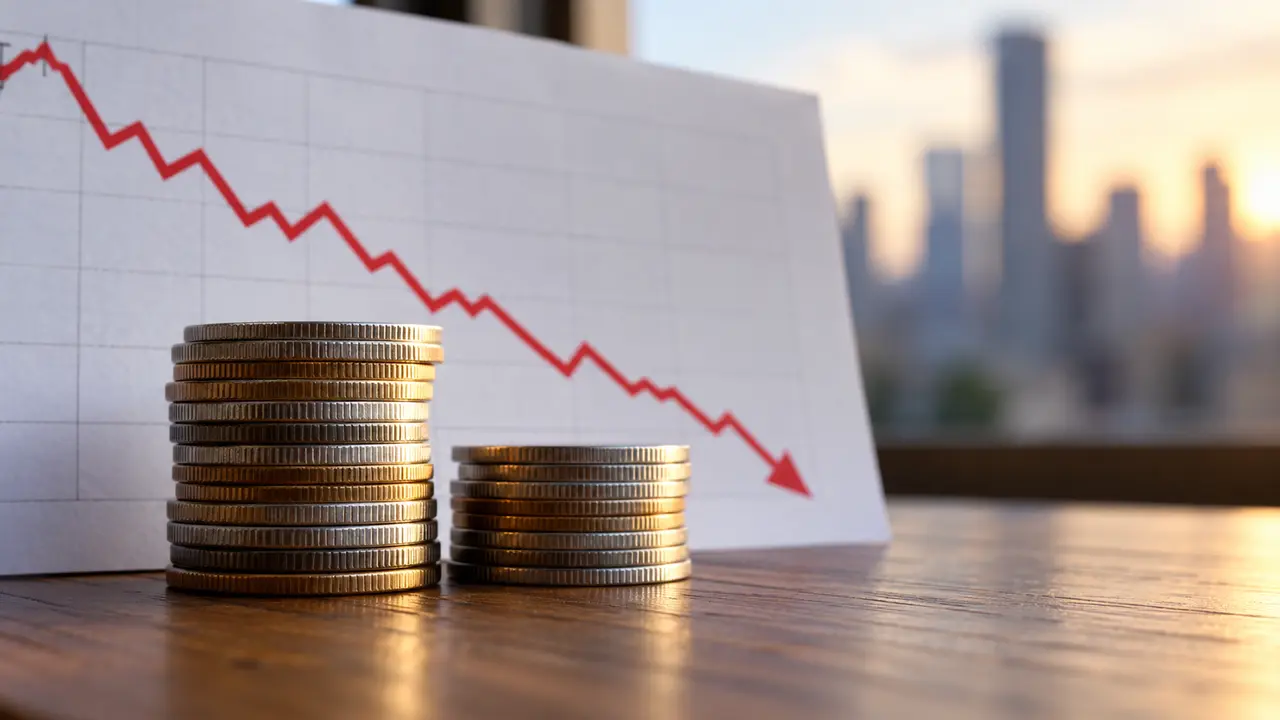
Do not assume a low price always means a cheap stock. The business may now be worth less because future profit looks weak. A falling chart is not a reason to buy by itself.

Ask where the cash comes from
A dividend is easier to keep when a firm can pay it from sound cash flow. Accounting profit and cash are not the same. A business may show profit while much of its cash is tied up in stock, invoices, or major equipment needs.
Look at operating cash flow, capital spending, and debt payments. These terms can be hard at first. You do not need to build a complex model. Ask whether the firm has enough cash after core needs to support the payment.
A firm might borrow to keep a dividend for a time. That can raise risk. It may be better for the firm to cut a payment and protect its future than keep an unsound promise.
Read payout ratios with care
A payout ratio compares dividends with profit. A low ratio may leave room for a shock. A high ratio may give less room. But one number can mislead if profit jumps or falls for a one-time reason.
Some firms, such as property trusts, use different cash measures. Do not compare them with a factory using the same rule. Find the right measures for the type of business, and read the notes.
If the numbers are hard to explain, do not force a quick buy. A broad fund may suit an investor who does not want to judge each company’s dividend in detail.
Look at debt and future costs
A firm with heavy debt may need to use more cash for interest. Rising rates can make new loans cost more. A large debt due soon may be a risk even if the latest dividend was paid.
Check planned spending too. A power firm may need new equipment. A retailer may need new stores or systems. A bank has its own capital rules. A dividend that ignores those needs may not last.
The goal is to see the whole business. A payout is useful only if the company can keep serving customers and meeting its debts.

Do not chase one sector
Some sectors have many high-yield shares. Buying several firms in one sector can still leave you with one big risk. If a common shock hits them, many payouts may fall at once.
Spread holdings by business type, region, and other risks where that fits your plan. A broad stock fund can help. But even a fund that focuses on dividends may lean toward a few sectors. Check its holdings and costs.
The Investor.gov stock guide explains that stock owners can gain from price growth or dividends and that spreading holdings can help reduce some single-stock risk. It does not remove market risk.
Compare yield with a fair benchmark
A dividend stock should be judged against other investments with similar risk. A bank deposit may have safeguards that a stock does not. A bond has its own interest and price risk. Do not call a 7% stock yield better than a 4% safe account without thinking about loss.
Ask what you need the money for. If a bill is due soon, stock income may be a poor fit. A dividend date can change, and the share can fall before you need to sell.
If you are saving for decades, total return and broad risk may matter more than a high payment now. A low-dividend firm may reinvest profit for growth, though growth is never guaranteed.
Check taxes, fees and currency
A dividend may face tax in the firm’s country and in your own. A cross-border investor may have withholding tax and exchange costs. Rules vary, and treaties can affect the result. Ask a qualified local adviser when the numbers are material.
Broker fees can also eat into small payments. A flat fee on each trade can matter if you buy tiny amounts. Read the full price list and check whether a dividend reinvestment plan charges extra.
Do not compare headline yields from different markets without a note on tax and currency. The cash you keep is what matters for your plan.

Watch the next company update
Do not rely on a yield number that uses an old dividend. Check the most recent board announcement and the next results date. A company may have changed its policy, paused a payout, or made a special one-time payment.
A special dividend should not be treated as a normal yearly sum. A past payout pattern does not force the next one. Use the latest official facts and note what is still unknown.
A short dividend check
Write the current yield, last payment date, payout ratio, cash flow trend, debt risk, and why the stock price changed. Then write one reason you might be wrong. This can stop a fast decision driven by a large number.
Choose income with a clear plan
If you need regular income, build a plan for when payments arrive and what happens if they fall. Do not spend a future dividend before it is declared and paid. Keep some cash for near bills. Review how much of your wealth sits in one firm.
The Investor.gov risk and return guide treats dividends as one part of stock return, not a risk-free gain. That simple idea can help keep a yield screen in context.
This article is general education, not stock advice. Market rules, tax and products vary across countries. Compare the whole business, the price, the payout and your need before you act.